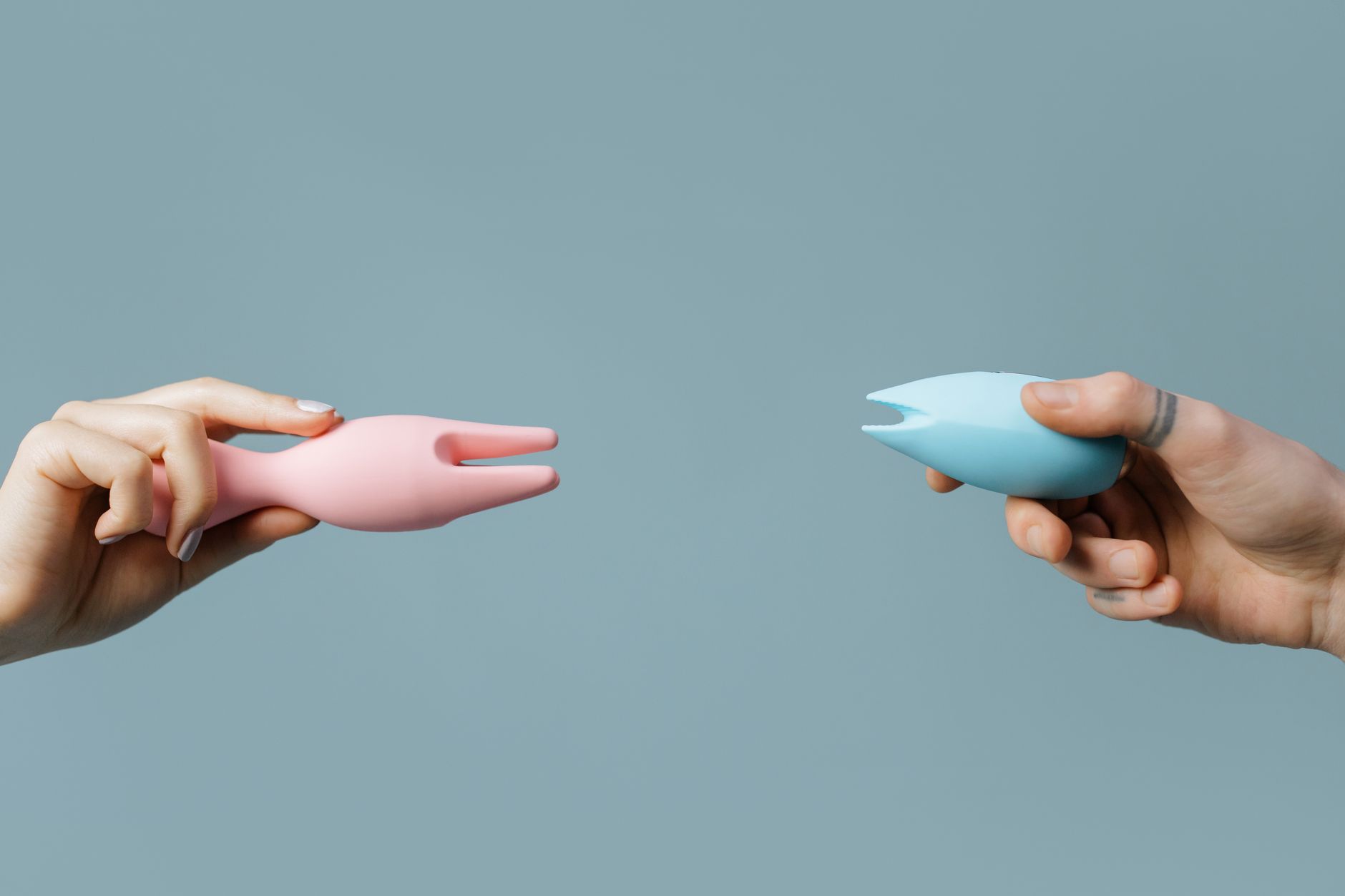
Here's the thing about sensitive skin and pleasure devices
Not every body responds the same way to stimulation. Some people have hypersensitive tissue that reacts painfully to direct vibration. Others have reduced sensation from medications, nerve changes, or past experiences. Both situations demand a different approach to pleasure.
The good news: lemon vibrators and clitoral suckers are built differently than traditional vibrators. They use air-pulse suction instead of just hammering vibration. That matters enormously when your skin feels raw, when sensation is muted, or when you're rebuilding trust with your body.
Why lemon vibrators work for sensitive bodies
Traditional vibrators send shockwaves through tissue. It's direct mechanical force. Lemon clitoral vibrators work via gentle suction that stimulates nerve endings without the same aggressive contact.
Think of it this way. A traditional vibrator is like tapping. A lemon sucker is like slowly drawing something toward you. Both create sensation, but one feels softer. For people with sensitive skin, that difference is the difference between pleasure and pain.
Three specific advantages for sensitive tissue:
First, suction distributes pressure across a wider surface area instead of concentrating it in one spot. Second, you can pull the toy slightly away from your body to reduce intensity. Third, most lemon vibrators have gentler starting patterns that don't blast you with maximum buzz from the first second.
Material matters more than you think
If your skin is genuinely sensitive, material is your first filter. Medical-grade silicone is your baseline. It's non-porous, non-toxic, and doesn't harbor bacteria the way cheaper materials do.
But even within silicone, there's variation. Some silicones are firmer, some are softer. Softer material is gentler on sensitive tissue. It also warms to body temperature faster, which most people find more comfortable than cold plastic.
Avoid TPE, rubber, or anything labeled just "silicone blend." Those materials trap bacteria and break down quickly. Worth the extra investment to buy something your body won't have a reaction to.
Pattern selection for reduced sensation
Here's where lemon vibrators shine for people with lower sensation thresholds. Instead of just high, medium, and low power, they offer varied patterns. Patterns are sequences of pulses that create rhythm instead of constant buzz.
Why does rhythm matter when sensation is muted? Because rhythm creates anticipation. Your nervous system wakes up to the pattern itself. Steady buzz at low power might feel like nothing. But pulse-pause-pulse at that same power level creates a sensation your brain can actually register.
When shopping for lemon clitoral vibrators, look for toys with at least 5 distinct patterns. Some have 10 or more. Start with the gentlest pattern and work up. You're not trying to numb yourself further. You're learning what your reduced sensation threshold actually needs.
How intensity levels function with sensitive skin
Don't assume low power is your only option. Sensitive doesn't always mean low vibration. Sometimes it means: this toy feels painful because the pattern is too abrupt or the material irritates me.
A lemon sucker at medium intensity with a slow, rolling pattern might feel better than a traditional vibrator at the lowest setting. Intensity and sensation type are different variables. Play with both.
Most quality lemon vibrators have 3 to 7 intensity levels. Start at level 1. Try each pattern. Spend 30 seconds on each before moving on. You're calibrating, not rushing to climax.
Building sensation back after numbness
Reduced sensation often comes from long-term stress, medication side effects, or healing from trauma. The tissue isn't damaged. The neural pathways are just quiet.
Sensation can come back. It takes time and patient exploration. Lemon vibrators are particularly good for this because the suction pulls blood flow to the area. Improved circulation helps nerve endings wake up again.
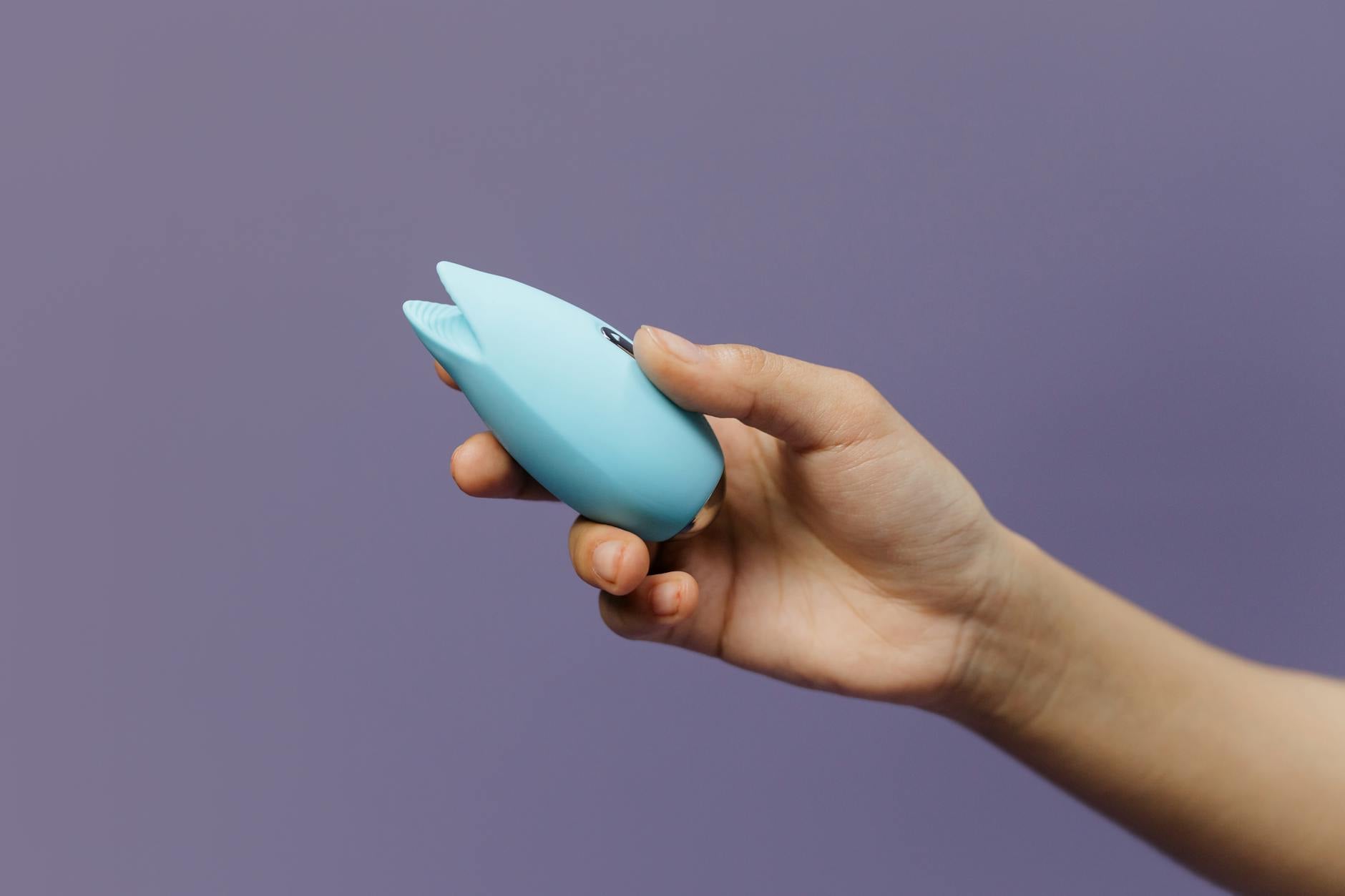 Photo by cottonbro studio on Pexels
When you're rebuilding sensation, use your toy without pressure to come. That sounds counterintuitive, but orgasm isn't the goal here. Sensation is. Spend 10-15 minutes on gentler patterns and lower intensities. Your job is to notice what you're feeling, not to perform a response.
Water-based lubricant changes everything for sensitive skin
If your tissue is irritated or you have reduced sensation, dry friction makes it worse. Water-based lubricant isn't optional. It's foundational.
Apply it generously. Reapply as you go. The goal is that your lemon clitoral vibrator glides, not drags. Drag creates friction. Friction on sensitive skin turns into pain. Gliding feels good.
Avoid silicone-based lubes even though they feel luxurious. They can degrade silicone toys over time. Stick with water-based. Clean your toy immediately after use because water-based lube can harbor bacteria if it sits.
Pelvic floor tension and how it blocks sensation
Reduced sensation sometimes isn't about the toy or your skin. It's about tension. When your pelvic floor is clenched (often from stress, trauma, or years of numbing), sensation gets trapped. Even stimulation that should feel good can't quite reach you.
Before you use your lemon vibrator, breathe. Slow exhales activate your parasympathetic nervous system. That's the system that relaxes your pelvic floor. Spend 2-3 minutes on deep breathing. Inhale for four counts. Exhale for six. Your pelvic floor will soften.
Lemon vibrators actually encourage pelvic floor relaxation because the sensation is more pleasant and less frantic than traditional vibration. That positive sensation teaches your muscles they don't need to clench.
When to use patterns versus steady vibration
Here's a practical framework. If you have sensitive skin, start with patterns. If you have reduced sensation, experiment with both but lean toward rhythmic patterns first.
With sensitive skin, patterns prevent the overstimulation that steady buzz creates. They're like a conversation instead of a shout. With reduced sensation, patterns help your brain recognize that something's happening. Rhythm cuts through numbness better than constant hum.
Most lemon clitoral vibrators let you toggle between pattern mode and steady vibration. Use that flexibility. What works changes depending on your cycle, stress level, and what else is happening in your life.
The role of suction versus traditional vibration for comfort
Let's be direct: suction-based toys like lemon vibrators are fundamentally more comfortable for sensitive bodies. The sensation is gentler. The pressure is distributed. The experience is customizable by how far you pull the toy away from your skin.
Traditional vibrators are essentially one-directional. Turn it on, it vibrates. Done. You can't modulate the experience as easily. With a lemon sucker, you can. Pull it slightly back. Let the suction soften. That control alone makes a difference for people rebuilding trust with their bodies.
How to Use Lemon Clitoral Vibrators With Reduced Sensation From Medications digs deeper into medication-related numbness if that's your specific situation.
Testing new toys gradually
When you buy a new lemon clitoral vibrator, don't jump straight to what you think you want. Test it methodically. Pattern 1 at level 1. Spend a full minute. Notice how it feels. Move to pattern 2. Same thing.
This is tedious. Do it anyway. You're gathering data about what your body actually wants, not what you assume it wants. Most people discover their favorite pattern is not the most intense one. It's often something they didn't expect.
If anything feels off, stop. Irritation or pain tells you something's wrong. Wrong material, wrong intensity, or wrong timing in your cycle. Listen to that signal.
People also ask
Can lemon vibrators cause irritation if I have sensitive skin?
Medical-grade silicone lemon vibrators are designed to be hypoallergenic and body-safe. Irritation usually comes from material quality, not the toy type itself. Medical silicone doesn't trigger reactions the way cheaper plastics do. If irritation happens, it's typically a sign you need more lubricant or lower intensity, not that lemon vibrators don't work for you.
What's the difference between reduced sensation and numbness?
Reduced sensation means you feel something but it's muted, like trying to hear through cotton. Numbness means you feel nothing at all. Both respond to lemon vibrators differently. Reduced sensation often improves quickly once you start exploring with the right toy and patterns. Numbness from trauma or severe medication side effects takes longer and may benefit from working with a provider alongside your exploration.
How often can I use a lemon vibrator if I have sensitive skin?
Usage depends on how your body responds. If you're feeling good and not experiencing any irritation, daily use is fine. Some people find that using their toy 3-4 times a week feels better because it gives tissue time to reset. Start conservatively. Your body will tell you the rhythm that works. Irritation or soreness is a sign to take a break.
Should I use lemon vibrators with a partner if I have reduced sensation?
Absolutely, if you want to. The advantage of lemon clitoral vibrators is that they're less intimidating than traditional toys. The gentler sensation makes partnership less about performance and more about exploration. If you're rebuilding sensation with a partner, a lemon sucker actually creates opportunity for conversation because the experience is different enough to feel new for both of you. Start slow and communicative.
Are lemon vibrators quieter for sensitive exploration?
Generally, yes. Suction-based toys tend to be quieter than high-powered vibrators because they're not producing the same frequency of vibration. Quieter means less sensory overwhelm if you're already working with sensitivity. It also means you can explore without distraction, which matters when you're rebuilding trust with your body.
What's the best starting intensity for someone rebuilding sensation?
Always start at level 1 with your gentlest available pattern. Spend 10 minutes there before moving up. If level 1 feels like nothing, stay with it for a few sessions anyway. Sometimes sensation registers differently on different days, depending on your cycle, stress, and how hydrated you are. Don't assume low intensity means the toy isn't working. Give it time.
The bottom line
Sensitive skin and reduced sensation are different problems. Both respond well to lemon vibrators because suction distributes pressure differently than traditional vibration. Material quality matters. Lubrication is non-negotiable. Patterns often work better than steady buzz for people with muted sensation.
Your pleasure deserves the right tool. That means choosing a toy designed for your body's actual needs, not what you think you should be able to handle. Lemon clitoral vibrators meet you where you are. Start slow, be patient with yourself, and let your nervous system guide you toward what feels good.
Have questions about which lemon vibrator suits your body or situation? Reach out. That's what we're here for.