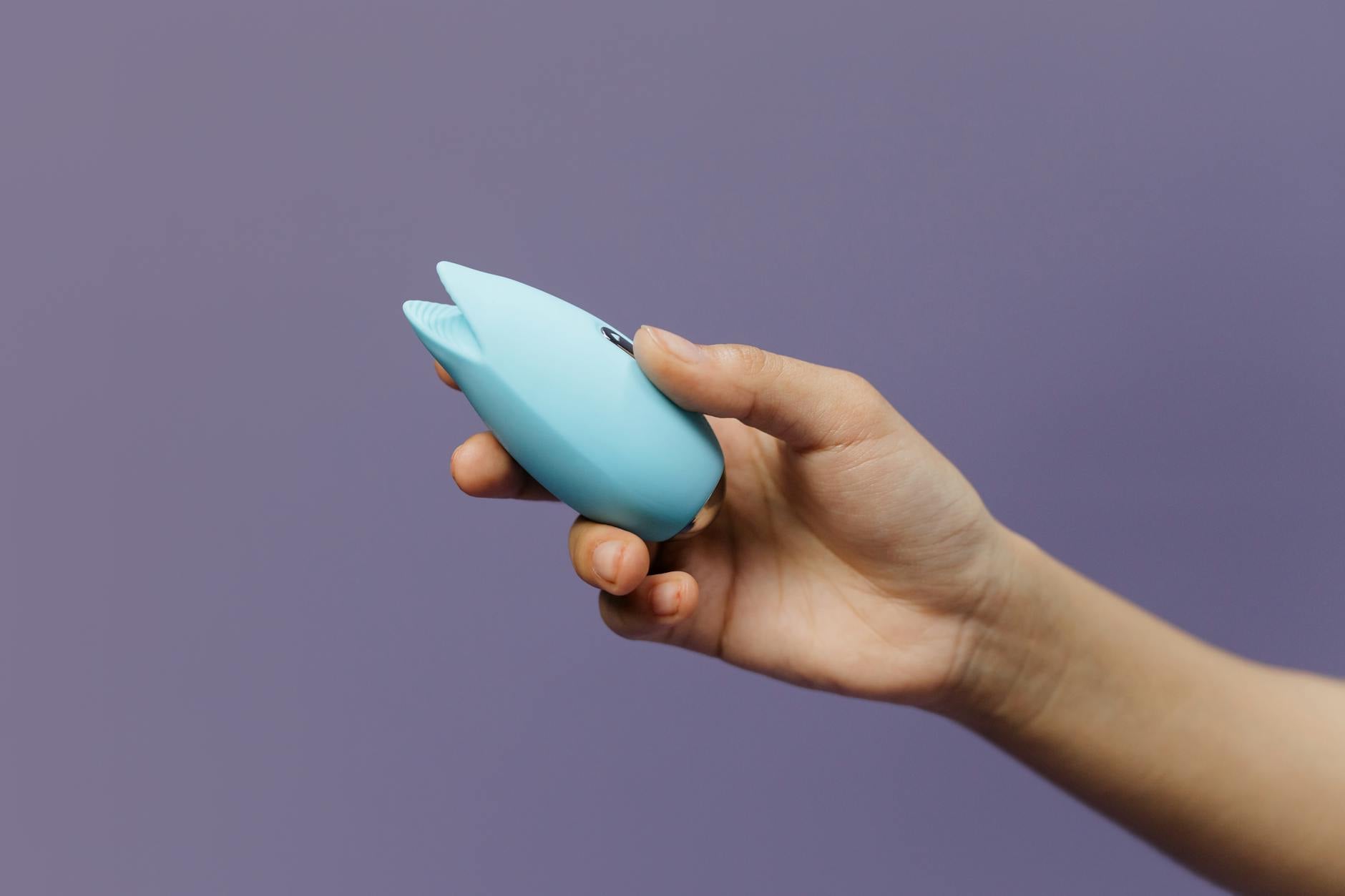
Let's start with the honest part
Your hormones don't just control your mood or energy levels. They're orchestrating changes in your vulva's blood flow, skin thickness, natural lubrication, and how quickly your nervous system responds to touch. Most people feel these shifts but don't name them. That's a problem, because naming them changes how you use pleasure tools.
Here's what actually happens when your hormones fluctuate, and why it matters when you're reaching for a lemon vibrator.
How hormonal cycles affect arousal and sensation
Estrogen peaks during the follicular phase of your cycle (days 1-14, roughly). During this window, your blood flow to the vulva increases, tissues feel fuller, natural lubrication is abundant, and your clitoris is plumper and more sensitive to direct stimulation.
Then estrogen dips sharply. Testosterone rises briefly before dropping again. Your luteal phase (days 15-28) comes with thinner tissue, less natural lubrication, and a nervous system that's actually less responsive to the same intensity of stimulation you might have enjoyed a week ago.
This isn't a flaw. It's a cycle. But most people who use pleasure devices treat every day the same way, then wonder why sometimes the Lem feels perfect and sometimes it feels too intense or not quite enough.
The pattern repeats across years too. In your 20s, estrogen is typically highest. In perimenopause (late 30s through early 50s), it becomes erratic. After menopause, it drops to baseline. Each shift changes your baseline sensation, and lemon clitoral vibrators respond to that shift in real ways.
Why lemon vibrators adapt better than other options
Traditional vibrators rely on friction and direct pressure. When your tissues are thinner or less lubricated, friction can feel too intense or even painful. A suction-based lemon vibrator works differently. Instead of hammering the clitoris, it creates gentle waves of pressure that stimulate the entire erectile tissue complex, including the internal bulbs that extend on either side of the vaginal opening.
That means on days when your tissues are more delicate, you can drop to patterns 1 or 2 on the Lem and still have a full, satisfying experience. The suction mechanism is gentler on thinner tissue while still engaging your nerve endings completely. You're not sacrificing sensation; you're adapting the tool to meet your body where it is that day.
During your follicular phase, when everything is fuller and more engorged, you might jump straight to pattern 4 or 5. The device isn't changing. Your body's capacity to receive intensity is changing. Understanding that difference is the whole game.
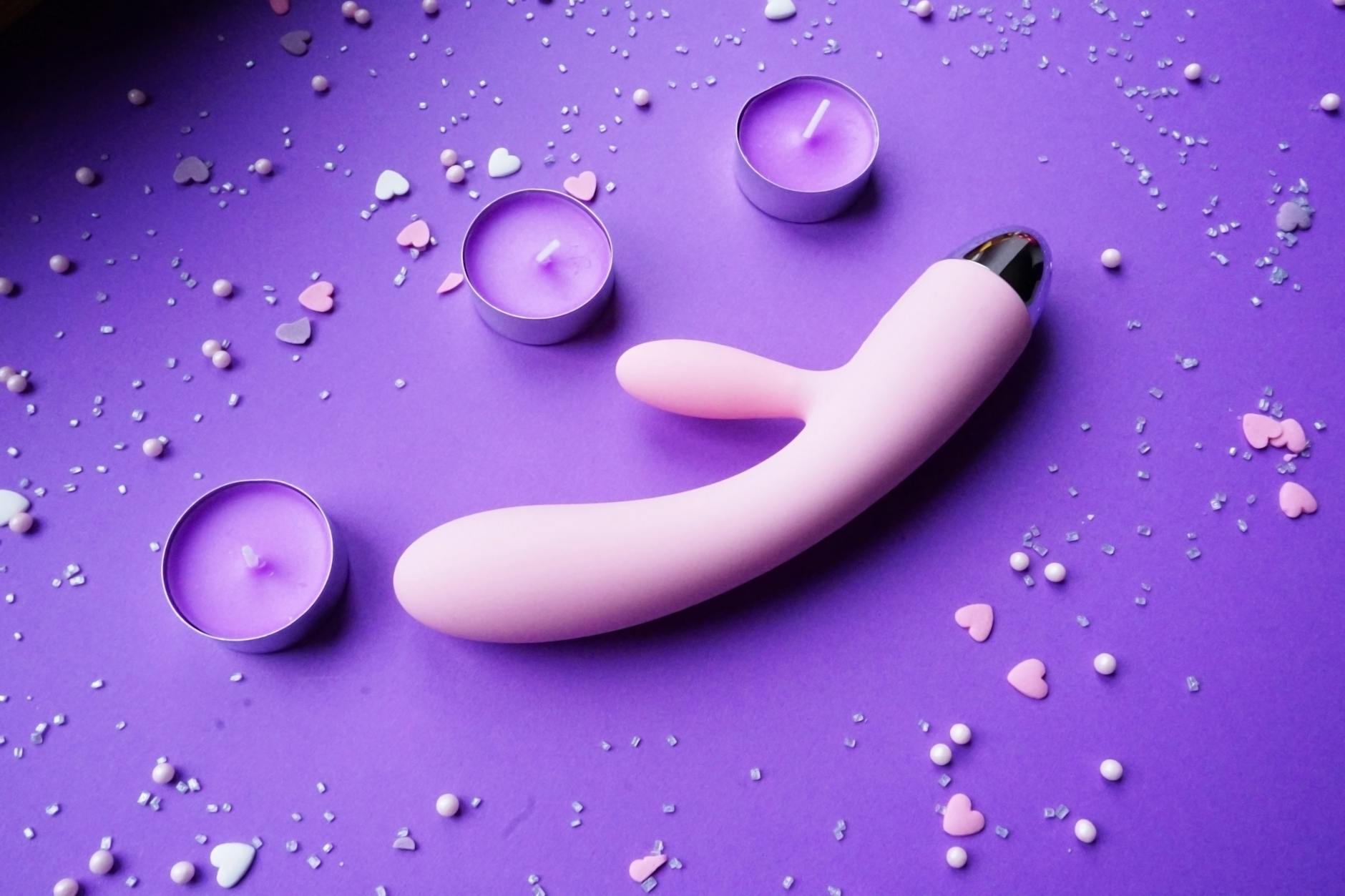
Photo by FounderTips on Pexels
Tracking your own pattern
Here's what I recommend to almost every client using a lemon vibrator or any clitoral vibrator: track your cycle alongside your pleasure experience for three months. You don't need an app or anything fancy. Just a note on your phone or calendar: "Lem pattern 2, felt intense. Lubrication low." Then three months later, look back.
You'll likely see a clear arc. Follicular phase? You can dial up intensity. Luteal phase? Lower patterns feel better. Ovulation week? Sensitivity and arousal time might spike even higher than your follicular average. And if you're on hormonal birth control, the pill, implant, or hormonal IUD, your patterns flatten dramatically. You'll notice much less month-to-month variation.
That information isn't trivia. It's permission. Permission to use your body's rhythm as design data, not as something broken. If you're always reaching for lemon vibrators on low settings, you might not be broken. You might just need to shift when you're using it relative to your cycle.
Some people do this intuitively. Others need to see the pattern written down to believe it. Either way, the adjustment is usually small, sometimes profound.
The role of lubrication and what helps
Estrogen builds the tissue lining your vagina and controls how much natural lubrication your Bartholin's glands produce. When estrogen is high, lubrication is abundant. When it's low, you produce less, and the mucus that's present is thicker and stickier rather than slippery.
Lubricant during high-estrogen phases is optional. During low-estrogen phases, it's often essential, not for arousal, but for comfort and to protect thinner tissue from micro-abrasions. Water-based lubricant is the only option if you're using silicone toys like lemon clitoral vibrators. Silicone-based lubes degrade silicone.
But here's the thing: adding lubricant on your lower-sensation days doesn't mean you're "broken." It means you're meeting your body's needs with the season it's in. That's not accommodation. That's wisdom.
How birth control and hormonal medication change the picture
If you're on hormonal birth control, your cycle is flattened. Your estrogen and progesterone don't spike and drop. They stay stable and suppressed. This is why many people on the pill report more consistent arousal across the month, but also lower peak sensation.
Some people love this. Consistent pleasure without the dips. Others miss the intensity of their natural follicular phase. And some find that the suppressed baseline makes lemon vibrators feel less effective overall.
If you fall into that third group, a conversation with your provider about dose or formulation might be worth it. And trying different intensity patterns on the Lem or exploring how longer warm-up time affects your response can help bridge the gap without changing medications.
Antidepressants, some blood pressure medications, and corticosteroids can also suppress or delay arousal. If you're on any of these and notice that lemon vibrators or any pleasure tool feels less responsive than it used to, that's a legitimate pharmacological effect, not a psychological one. Understanding the source doesn't fix it instantly, but it prevents you from blaming yourself.
What you can actually control
You can't control your hormones, but you can control three things that matter deeply.
First, timing. Use your lemon vibrator when your body is primed. Follicular phase? Go earlier in your cycle. Luteal phase? Build in more warm-up time. You're not fighting your body. You're reading it.
Second, pattern selection. If you're always on the same setting, experiment with the full range across your cycle. You might find that patterns 2 and 3 on the Lem deliver more sustained pleasure than constantly chasing intensity on pattern 5.
Third, external conditions. Stress, sleep, hydration, and whether you've eaten that day all affect blood flow and baseline arousal. On days when multiple factors are stacked against you (high stress, low sleep, luteal phase), it might be worth waiting for a better moment rather than pushing through.
You're not lazy. You're strategic.
When to reach out
If your arousal or sensation drops dramatically and doesn't follow a monthly pattern, that's worth mentioning to a healthcare provider. Thyroid issues, depression, relationship stress, and other things can masquerade as hormonal problems. A good provider will screen for all of it.
Also, if pain appears during any phase of your cycle, don't wait. That's not a sensation shift. That's usually a sign something needs attention.
But if you're noticing a clear cyclical pattern where the Lem or any lemon clitoral vibrator feels different depending on where you are in your cycle, that's not a problem. That's your baseline. And working with it, rather than against it, is often where real pleasure lives.
People also ask
Why does my lemon vibrator feel different during my period?
During menstruation, your estrogen is at its lowest point, tissues are thinner, and blood volume is being diverted to your uterus. Many people report reduced sensation or increased sensitivity to pressure during this window. Some find lemon vibrators feel uncomfortable. Others find lower patterns work beautifully. If you're uncomfortable, it's completely fine to skip pleasure devices during your period and come back when you feel like it.
Can hormonal birth control actually make lemon vibrators less effective?
Some people experience reduced peak sensation on hormonal birth control because the pill or implant suppresses the natural estrogen surge. If you've noticed this, longer warm-up time and trying different patterns can help. Some people also find that switching formulations (lower-dose pill, different progestin) makes a difference. It's worth tracking your experience before assuming the medication is the culprit.
How long does it take for hormonal changes to affect arousal with a lemon vibrator?
If you're cycling naturally, shift happens across days. Your follicular phase peaks around day 12-14. Your luteal dip begins around day 21. If you're approaching or in perimenopause, changes can be more dramatic and less predictable, sometimes shifting week to week. If you're on hormonal birth control, arousal should feel relatively stable across the month.
Should I use a different lemon vibrator during my luteal phase?
No. The Lem works beautifully across your entire cycle. What changes is which pattern you use and how much warm-up time you need. During high-estrogen phases, you might start at pattern 3 or 4. During low-estrogen phases, pattern 1 or 2 might be your sweet spot.
Does menopause mean lemon vibrators stop working?
Absolutely not. Pleasure doesn't end at menopause. What changes is baseline sensation and lubrication. Because lemon clitoral vibrators use suction rather than direct friction, many people find them work brilliantly post-menopause. Lower patterns, more lubrication, and longer arousal time are usually all you need. Many clients report that their most intense orgasms come after menopause with the right tool and expectations.
Can I use my lemon vibrator during hormonal imbalance or PCOS?
If you have PCOS or another hormonal condition that affects your cycle length or intensity, pleasure devices work exactly the same way, but your cycle might be less predictable. Instead of a 28-day pattern, you might have longer cycles or multiple ovulation spikes. Tracking becomes even more valuable. And lemon vibrators, with their gentle suction approach, are often better tolerated during hormonal fluctuations than friction-based toys.
What it all means
Your hormones don't take days off. They're constantly shifting, which means your baseline arousal, lubrication, and sensation are constantly shifting too. A lemon vibrator isn't a static tool you use the same way every day. It's a responsive device that works better when you understand what your body needs at different points in your cycle.
That's not complicated. It's just attentive. And attention to your own patterns is where real, sustainable pleasure lives. If you have questions about how your specific body works with pleasure devices, or if you notice changes that concern you, our team at Hello Nancy is here to support you. Reach out anytime at /contact.