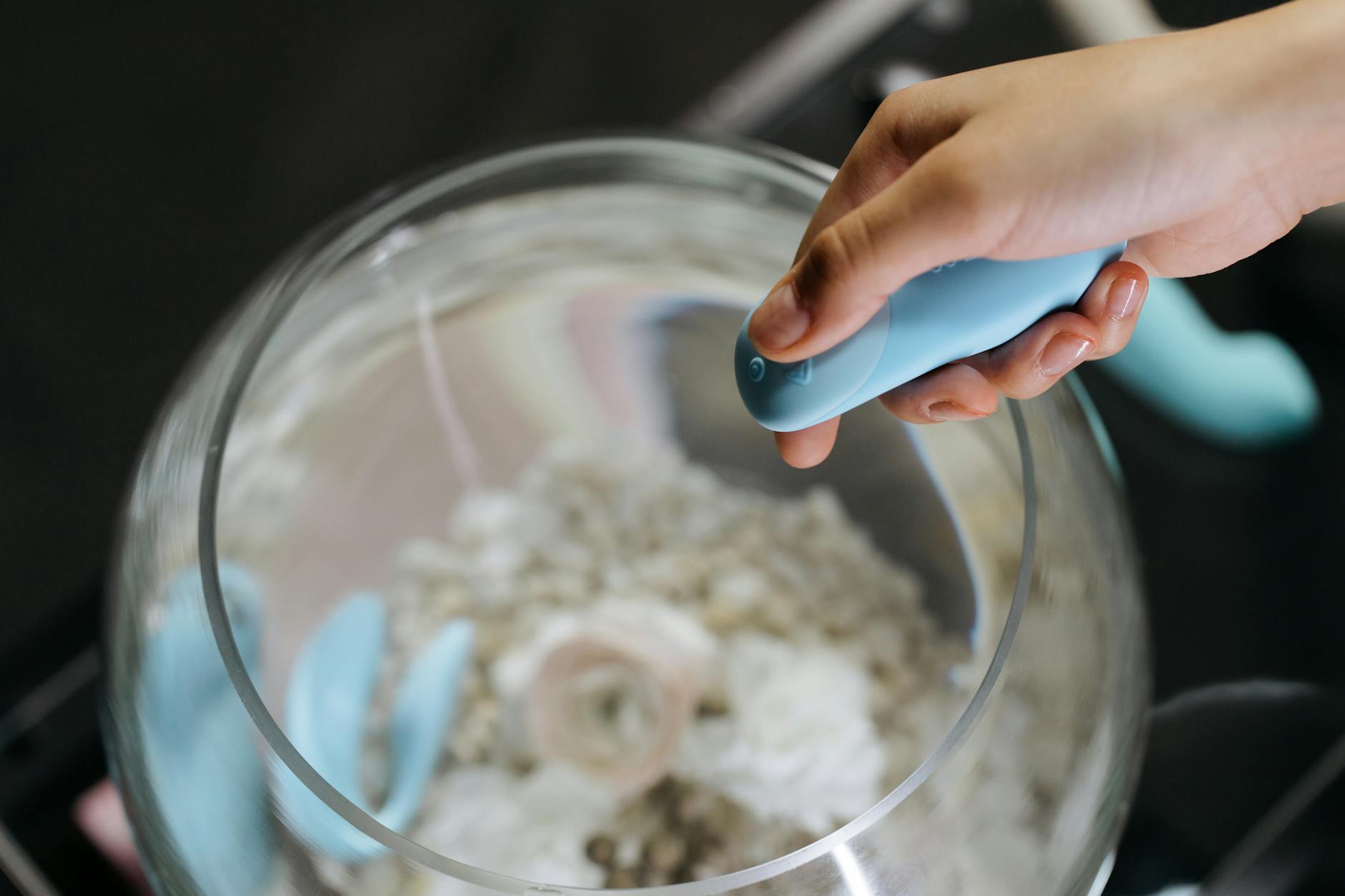
How Lemon Vibrators Change Arousal Speed and Sensation After 30
Let's be real. Arousal at 25 and arousal at 35 are not the same thing. Your body changes. Your nervous system changes. The speed at which pleasure builds, the intensity you need to reach that peak, the recovery time afterward, even the way certain types of stimulation land on your skin. None of it stays static.
Most conversations about sexual pleasure pretend this doesn't happen until menopause. That's wrong. The shift starts earlier, and understanding it matters because once you know what's actually happening, you can work with your body instead of against it.
What happens to arousal speed in your thirties
In your twenties, arousal was often immediate. A glance, a touch, a thought. Your nervous system was primed for fast response. You had high baseline cortisol (stress hormone) paired with high estrogen and testosterone. That neurochemical combination meant your body moved quickly from resting to ready.
In your thirties, baseline arousal takes longer to build. This isn't dysfunction. It's a physiological shift. Estrogen stays relatively stable, but progesterone shifts across your cycle in more pronounced waves. Your nervous system becomes less reactive to novelty and more responsive to consistency and context. Your brain's reward pathways change too. What lit you up at 23 may feel generic now.
This is also the decade when stress starts compounding. Career pressure, relationship maintenance, aging parents, body image shifts. Your nervous system has more noise in it. Getting to arousal requires clearing more mental clutter first.
The good news: this shift also makes pleasure more nuanced. You're more likely to know what you actually want, less dependent on spontaneity, and more capable of depth.
Why sensation intensity changes
Your skin becomes less sensitive in some ways and more sensitive in others. The top layers of epidermis thin slightly, which sounds negative until you realize it means your nerve endings are closer to the surface. Direct, intense stimulation that felt incredible at 24 can feel too sharp at 34.
This is where clitoral vibrators, especially air-suction designs like lemon vibrators, make a dramatic difference. Traditional vibrators deliver mechanical vibration directly. They're fast, intense, and work beautifully on some bodies. But as your skin sensitivity pattern shifts, that directness can feel abrasive. The pulsing feels jittery instead of rhythmic.
Lemon clitoral vibrators work with suction and pulse instead of pure vibration. The sensation is gentler on the tissue while being more intense in terms of nerve activation. You're stimulating without friction. For bodies moving through their thirties, this feels like the toy finally caught up to what your body actually needs.
The arousal timeline actually gets shorter with the right approach
Countintuitive, right? You need more warm-up time, but that warm-up doesn't have to be long if it's structured right. Here's the pattern I see with clients in their thirties and beyond.
First, five to ten minutes of non-genital touch. Neck, shoulders, inside of wrists, the small of your back. Activate your parasympathetic nervous system (the calm-down system) so your body knows it's safe to be vulnerable. This is not foreplay in the traditional sense. It's system reset.
Then introduce a lemon vibrator at low settings. Your arousal will build faster from that point than it would have from immediately going intense. Why? Because you've already calmed your nervous system down. You're not fighting resistance.
Most people in their thirties report they reach orgasm on a lemon clitoral vibrator in 10 to 15 minutes with this approach, compared to 20 to 30 minutes with traditional vibrators or manual stimulation. The arousal speed hasn't necessarily changed. The efficiency has.
Sensation gets more localized and intense
Here's something that surprises a lot of people: orgasms in your thirties often feel more concentrated. Less of a full-body wave, more of a precise, deep sensation. This isn't loss. This is your nervous system getting specific about what it wants.
A lemon sucker style toy is almost perfect for this. The suction creates a sensation of pressure and release that builds toward a focal point instead of spreading diffuse stimulation across the whole vulva. Your clitoris gets direct attention without the harshness of vibration alone.
I have clients who tell me that their first orgasm on a lemon vibrator felt like the toy was finally speaking their body's language at this stage of life. Not better than before. Different. Better for now.
How your cycle patterns shift (subtly)
In your twenties, you might have had one clear arousal peak around ovulation. In your thirties, that pattern becomes less predictable. For some people, the follicular phase (first half of the cycle) becomes more aroused. For others, the luteal phase (second half) suddenly has its own arousal window that wasn't there before.
This matters because it means you can't rely on the same approach every week. A lemon clitoral vibrator's adjustable intensity becomes crucial here. You can dial down to settings one and two during low-arousal phases, then crank to setting four during high phases. The toy adapts to your cycle instead of forcing your cycle to adapt to the toy.
Partner timing and arousal mismatch gets more real
In your thirties, you're more likely to be partnered for longer. You've also developed your own arousal patterns more clearly. If your partner is still operating on a twentysomething timeline, that gap gets painful fast. You need more warm-up. They want to move faster. You're suddenly frustrated.
This is where a lemon vibrator becomes a conversation tool, not just a solo device. Using one together, you can show your partner exactly what your arousal needs at this point. You're not blaming your body. You're demonstrating preference. Most partners find it helpful, even hot, to see what brings you to that peak now.
What this means for your toy choices
If you're new to lemon vibrators in your thirties, you're actually starting at exactly the right time. Your body has enough self-knowledge to appreciate a device that responds to nuance. You know what does and doesn't work. You're less interested in novelty for its own sake and more interested in tools that actually serve your pleasure.
The most common experience I hear: "I wish I'd found this five years ago." Not because you would have enjoyed it more then, but because you would have understood your body better sooner.
Recovery time and satisfaction
One more thing that shifts in your thirties: post-orgasm recovery. You might not have the same immediate refractory period your body had at 22. You might be able to go again quickly, or you might need a longer break. This varies wildly between people and even between cycles.
A lemon vibrator's range of intensity means you can adjust on the fly. If you want another orgasm, you can dial back to a gentler setting and build again. If you need rest, you simply stop. The device doesn't push one narrative about what pleasure should look like.
People also ask
Does arousal get slower for everyone in their thirties?
No. Some people's arousal speeds up in their thirties because stress has finally settled, or they've left relationships that weren't serving them. The timeline I'm describing is most common, but individual variation is huge. What matters is knowing your own pattern, not comparing it to some universal rule.
Can lemon clitoral vibrators speed up arousal if I'm struggling?
Yes, often. The suction mechanism is gentler and more nerve-responsive than vibration alone, which means your nervous system settles faster into arousal. But the real speed-up comes from removing other friction: clearing stress beforehand, having the right partner communication, or addressing underlying medical factors. A lemon vibrator amplifies good conditions. It doesn't fix poor ones.
Should I switch vibrator styles in my thirties?
Not necessarily. If what you're using works, keep it. But if you're finding traditional vibrators feel too intense, jarring, or inefficient, trying a lemon vibrator makes sense. The switch is rarely dramatic. It's usually "oh, this just feels better on my body now."
Is it normal that lemon vibrators feel different from my old toy?
Completely. You're not broken. The sensation difference is real. Suction-based stimulation engages different nerve pathways than vibration. Both are valid. The question is which one feels right for your body in this moment.
Can arousal speed change within a single cycle?
Absolutely. Depending on where you are in your menstrual cycle, stress levels, relationship dynamics, and hormone levels, arousal can vary day to day. This is why adjustable toys matter. You're not looking for one setting that works forever. You're looking for a tool that adapts.
What if arousal gets slower but nothing else changes?
Talk to a doctor. Sometimes slower arousal signals hormone shifts, thyroid issues, medication side effects, or underlying stress that needs attention. A lemon vibrator can help you understand your baseline, but it's not a diagnosis tool. If something feels off, get it checked.
The bottom line
Your body in your thirties is not your body at 22. That's not a problem. It's information. Once you understand what's actually shifting—arousal speed, sensation preference, cycle patterns—you can choose tools and approaches that work with those changes instead of fighting them.
Lemon vibrators align with what many bodies actually need at this stage. Gentle enough to work with thinner, more sensitive skin. Responsive enough to build arousal efficiently. Adjustable enough to adapt across your cycle and across years. They're not magic. They're just better aligned with your physiology right now.
If you're curious about whether a lemon clitoral vibrator is right for you, start by noticing what's changed about your own arousal in the last few years. The answer is usually in that self-knowledge, not in what anyone else says you should want. Your pleasure matters enough to get specific about what serves it now.
Want to explore whether Hello Nancy's approach is right for your body? Get in touch. I'm happy to talk through what you're experiencing and what might help.