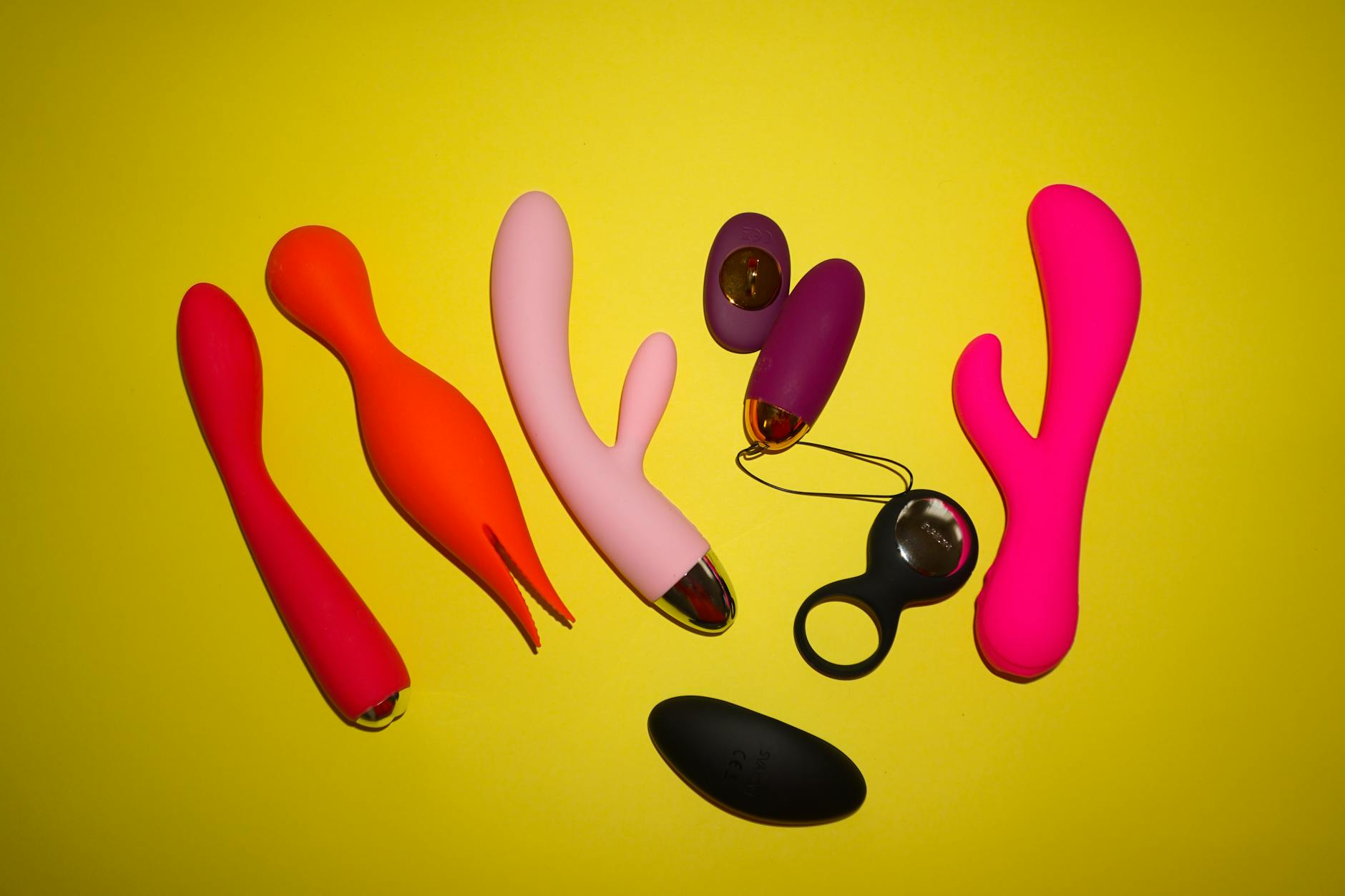
The difference nobody explains
Let's be real. You've probably heard the terms "lemon vibrators" and "traditional vibrators" thrown around like they're basically the same thing. They're not. One uses suction. One uses vibration. And if you pick the wrong one for your body, you might spend eighty bucks on something that feels aggressive, uncomfortable, or just not that good.
Here's what actually matters when you're choosing: how your body responds to stimulation, how sensitive your tissue is, and what kind of sensation actually gets you there. Once you know those things, picking between lemon sexual toys and traditional vibrators becomes obvious.
How vibration and suction are fundamentally different
Traditional vibrators move back and forth or side to side at different speeds. A lemon clitoral vibrator like the Lemon Clitoral Vibrator doesn't vibrate in that way. It creates a gentle suction and release pattern that mimics oral stimulation. Think of it less like a buzzing sensation and more like a soft, rhythmic pulse.
This matters because vibration and suction stimulate nerves differently. Vibration is broad and diffuse. You feel it across a wider area, which is why it can sometimes feel intense or even numbing if you use high settings for too long. Suction is more concentrated and focused. It draws tissue gently upward and applies stimulus in a specific spot.
If you've ever noticed that traditional vibrators can feel too aggressive on sensitive tissue, or that direct contact makes you uncomfortable, lemon vibrators often solve that problem immediately. They're not vibrating against you. They're creating a feeling that's closer to what oral sex actually feels like.
Who traditional vibrators work best for
Traditional vibrators are still the gold standard for a lot of people, and there's no shame in that. They work beautifully if any of these apply to you:
You need consistent, predictable sensation. Vibration is straightforward. Press it against your clitoris, turn up the intensity, feel the buzz. There's no learning curve.
You like broad stimulation across the entire vulva. Traditional vibrators stimulate a larger surface area, which some people find more satisfying than targeted suction.
Your tissue is thicker or less sensitive. People with naturally less sensitive vulvas or those who don't experience changes in tissue thickness often find vibration more noticeable than suction.
You're used to them and they already work. If you've been having great orgasms with a traditional vibrator for five years, there's no reason to switch.
The speed and intensity patterns matter to you. Traditional vibrators come in tons of patterns, speeds, and pulsing options. If you like to customize your experience, the variety is unmatched.
Who lemon vibrators work best for
Now here's the angle that rarely gets explained: lemon adult toys solve a specific friction problem that affects way more people than realize it.
You have sensitive clitoral tissue. Whether it's from hormonal changes, medication side effects, or just how your body is built, if direct vibration feels too rough, suction changes everything. It's gentler without being weak.
You prefer sensation that feels closer to partnered sex. Suction mimics the feeling of oral stimulation, which is why so many people describe lemon vibrators as feeling more "natural" or "intimate."
You want to avoid numbness over long sessions. Vibration can numb the clitoris if you use high intensity for extended time. Suction doesn't have the same numbing effect because the mechanism is totally different.
Your arousal takes longer to build. The gradual, rhythmic nature of suction can work beautifully if your body needs a slower warm-up. It doesn't shock your system into response. It builds sensation over time.
You're dealing with medication-related sensation changes. People on antidepressants, antihistamines, or hormonal contraceptives often report that traditional vibration feels muted. Suction can cut through that numbness more effectively because it's activating different nerve pathways.
The practical differences when you're actually using them
Let's move from theory to reality. Here's what using each one actually feels like.
Traditional vibrators start working immediately. You turn them on, press them where you want them, and you feel the buzz. The intensity ramps up with speed settings. It's predictable and efficient.
Lemon vibrators need thirty seconds to activate properly. When you press them against your clitoris, the suction builds gradually. This is actually a feature, not a bug. It means you can't accidentally overstimulate yourself by turning it on at top speed. The ramp-up is built in.
Traditional vibrators work best with direct contact. The more of your clitoris is touching the vibrator, the more sensation you feel.
Lemon clitoral vibrators work best with light contact. You're not pressing hard. You're letting the suction do the work, which means less hand fatigue and more control over intensity.
Traditional vibrators can feel uncomfortable if your clitoris is very swollen or tender. The vibration can feel sharp or overstimulating.
Lemon vibrators are often gentler on tender or swollen tissue because suction spreads the stimulus across a larger area instead of concentrating buzzing directly on sensitive tissue.
The sensation comparison your body actually cares about
Here's what I tell people in my practice when they're trying to decide: the question isn't "which is better." The question is "which matches your body's actual needs right now."
Traditional vibrators are better if you want speed. You can get an orgasm faster with vibration than with suction because the stimulus intensity is higher from the moment you turn it on.
Lemon sexual toys are better if you want depth. The sensation is more diffuse and subtle, which can lead to deeper, more full-body orgasms for some people. It takes longer, but the payoff feels different.
Both are better than nothing, and honestly, most people end up wanting both for different moods or different times. Your body doesn't always want the same thing. Some days you want quick and efficient. Other days you want slow and sensual. Having options matters.
The one thing nobody tells you about comfort
Here's something I've noticed after working with hundreds of people on pleasure: comfort matters way more than you think, and it's often what determines whether you'll actually keep using something.
If a vibrator feels uncomfortable or aggressive, you're not going to use it. You'll think you're broken, or that you're not "responding properly," when really you just picked the wrong tool for your body.
Lemon vibrators are often more comfortable for longer sessions because your hand doesn't fatigue as quickly from pressing hard, and the sensation doesn't numb your tissue as fast. That means you can actually enjoy the whole experience instead of racing toward an orgasm.
Traditional vibrators are often more comfortable if intensity and speed matter more to you than duration. You get sensation faster, which means less time spent waiting for your body to catch up.
The comfort piece is why trying before you commit is genuinely helpful. If you can borrow a friend's lemon clitoral vibrator or try one somewhere no-pressure, do it. Your body will tell you immediately whether suction or vibration feels right.
How to actually decide
Stop worrying about what you're "supposed" to like. Here's a simple framework.
Have you used traditional vibrators before? Do they work? Do they feel good? Stick with them. No reason to switch if something's already working.
Have you used traditional vibrators and they feel too intense, or numb your tissue, or just don't quite hit the mark? Try a lemon vibrator. The suction mechanism solves most of those complaints.
Are you starting from scratch and have no idea what will work? Begin with a lemon clitoral vibrator. The suction is gentler, the learning curve is shorter, and it's harder to accidentally overstimulate yourself. If it doesn't work, you can always try traditional vibrators next.
Are you dealing with hormonal changes, medication effects, or body changes that made your old vibrator stop working? Lemon vibrators fix that problem more often than traditional vibrators do. The sensation mechanism is different enough that what used to feel numb might suddenly feel amazing.
The honest truth about price and quality
You might think lemon vibrators are more expensive because they're newer or fancier. Actually, both work across price ranges. A cheap traditional vibrator and a quality lemon clitoral vibrator both work, but the quality difference matters more than the type difference.
A cheap vibrator in either category will have weak motors, poor battery life, or uncomfortable shapes. A quality vibrator in either category will feel different and last longer. Don't cheap out on either type. Your pleasure is worth the investment in something that actually works.
FAQ: Everything else you're probably wondering
Can I use lemon vibrators if I've never tried one before?
Completely. In fact, lemon vibrators are often easier to use the first time because the sensation is gentler and more intuitive. There's no intense learning curve. Turn it on, press gently against your clitoris, adjust intensity if needed. Done.
Will a lemon clitoral vibrator feel weird after using traditional vibrators?
Possibly the first time, but usually in a good way. Most people describe it as "different but better" after they adjust. Give yourself three or four sessions before deciding. Your body might surprise you.
Is suction actually gentler, or is that just marketing?
It's actually gentler from a tissue-damage perspective. Vibration can cause micro-abrasions with repeated high-intensity use. Suction doesn't have that same risk because the mechanism is fundamentally different. That said, both are safe when used properly.
Can I use both types at the same time or alternate between them?
Yes, and a lot of people do. Some people use traditional vibrators during partnered sex and lemon vibrators for solo play. Others alternate based on mood. There's no rule.
What if lemon vibrators don't work for me?
Then they don't work for you, and that's fine. Not every body responds to suction. Go back to what does work. Pleasure isn't one-size-fits-all, and forcing yourself to like something you don't will only create frustration.
Are lemon adult toys only for people with vulvas?
No. Anyone with a clitoris can use them. That includes trans men and non-binary people. The anatomy is what matters, not the label.
The real thing to know
Choosing between lemon vibrators and traditional vibrators isn't about being loyal to one or the other. It's about understanding how your actual body responds to actual stimulus, and then picking the tool that matches that. When you get the match right, everything becomes easier. Orgasms feel better. Sessions feel less like work. You stop wondering if you're broken and start enjoying yourself. That's the whole point.