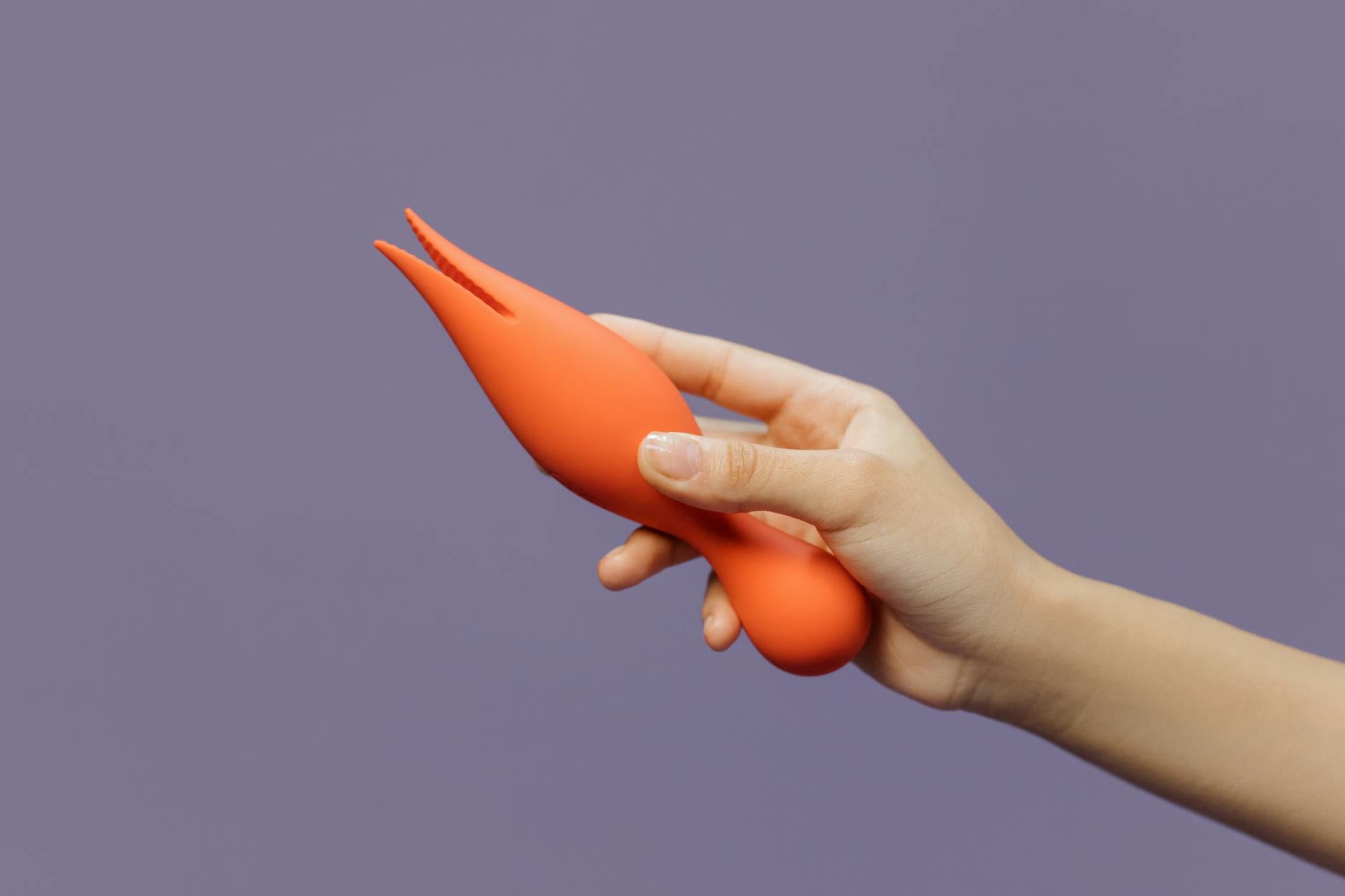
How to Use Lemon Vibrators During Transition Periods When Your Body Is Changing
Let's be real about body transitions
Your body is not static. From your 20s onward, it's constantly recalibrating. Perimenopause sneaks in around 35. Pregnancy rewires sensation. Medications change how your nerves fire. Breakups and stress reshape your nervous system. None of this means pleasure stops working. It means the approach shifts.
Lemon clitoral vibrators are particularly forgiving during these phases because they work with your body instead of demanding it perform a specific way. The suction mechanism doesn't rely on direct friction sensitivity. It adapts as you adapt.
Why transition periods mess with pleasure
Three things are happening simultaneously when your body changes. First, hormonal shifts alter blood flow to genital tissue. Estrogen and testosterone fluctuations change how quickly arousal builds and how intense sensation needs to be to register. Second, your nervous system recalibrates. Stress, anxiety, life changes, medications, and aging all rewire how your body sends and receives pleasure signals. Third, your mental relationship to sex shifts. A major life transition often brings grief, identity questions, or permission you didn't have before. Your body tracks all of that.
The good news: lemon vibrators don't require the same setup that other toys do. They work across multiple sensitivity levels without needing adjustment.
When perimenopause arrives (the 5-10 year warm-up)
Perimenopause is the decades-long thing nobody warns you about. Your 30s or early 40s, hormones start fluctuating wildly before they fully drop. One week you're hypersensitive. The next week, nothing registers. The week after that, arousal takes 45 minutes instead of 10.
With a lemon vibrator during this phase, start by using lower intensity patterns (1-3) on the Lem. Your clitoris is likely more reactive than it was in your 20s due to inflammation from hormonal swings. Higher intensity isn't better. Precision is. The suction design of lemon vibrators means you're stimulating nerve clusters without the blunt pressure of traditional vibration, which is exactly what you need when sensation is unpredictable.
Budget extra warm-up time. Arousal doesn't just happen anymore. Twenty to thirty minutes of foreplay, fantasy, or solo exploration before the vibrator arrives isn't weakness. It's adaptation. Your body is being smarter about energy allocation. Use it.
During pregnancy and postpartum sensations shift completely
Pregnancy changes everything. Hormone surges make some people hypersensitive. Some lose interest entirely. Postpartum? Sensitivity returns unevenly. Breastfeeding tanks desire for some people. Sleep deprivation obliterates arousal. Your pelvic floor either grips hard or feels loose from the birth itself. Sensation can feel distant or raw depending on how you gave birth.
If you're returning to pleasure after pregnancy with a lemon clitoral vibrator, the suction mechanism is gentler on unpredictable sensitivity than you might expect. It doesn't require the same pelvic floor engagement that traditional vibrators demand. You can use it when your pelvic floor is still recovering from birth without forcing clenching. Start with very short sessions. One to three minutes. Your nervous system has been through trauma, even if the birth was uncomplicated. Ease back in.
After major life stress your nervous system needs recalibration
Breakups, job loss, grief, moving, family conflict. Major life stress rewires your threat-detection system. Your brain goes into protection mode. Sexual pleasure literally cannot activate in the same way because your nervous system is busy managing survival. This isn't psychological. It's physiological.
With a lemon vibrator during high-stress periods, the goal shifts from orgasm to nervous system reset. Use patterns at low intensity. Let the rhythmic stimulation help your nervous system downshift from alert mode. Some people find that five to ten minutes of gentle suction stimulation actually decreases anxiety more effectively than it produces orgasm. That's not failure. That's your body asking for a different kind of support.
If you're rebuilding intimacy with a partner after stress, a lemon vibrator can be a bridge. It's external, so neither partner has to perform. It's reliable, so the nervous system can relax into it. The sensation stays consistent.
Medication changes and how they affect sensation
Antidepressants, antihistamines, blood pressure meds, hormonal birth control adjustments. Any medication shift can change how your nerves respond to stimulation. Some medications dull sensation. Some increase it. Some make arousal take longer. Some make it feel almost unreal, like watching yourself from outside your body.
If you're adjusting to a new medication and notice pleasure feels different, give yourself two to three weeks before concluding the medication is the problem. Your nervous system is recalibrating. Lemon vibrators work well during med transitions because they don't demand performance. Low-intensity patterns activate sensation without requiring you to chase an orgasm you might not reach. Some people find that using a lemon vibrator at low intensity actually helps them understand what sensation is still available under the medication, which is useful information to share with their doctor.
Aging and sensitivity actually getting more specific
Here's what nobody tells you: your clitoris doesn't get less sensitive with age. It gets more specific. In your 20s, general vibration everywhere works. By your 40s and beyond, you know exactly what works. Most people find lemon clitoral vibrators work better post-40 because precision matters more than intensity. The suction on a Lem vibrator creates a focused stimulation zone that's more effective than broad vibration when you're older.
Your arousal also takes longer. This is not a problem. This is information. Budget the time. Use longer warm-up. Let anticipation build. The orgasms often become stronger, not weaker, because they take longer to approach and you're more mentally engaged.
The transition between single and partnered pleasure
Reconnecting with pleasure after a breakup requires patience. You're renegotiating your relationship to your own body. You've likely been calibrating sensation around someone else's needs. Solo time with a lemon vibrator lets you remember what you actually want versus what felt obligatory.
If you're moving into a new partnership after solo time, the opposite happens. You've remembered your preferences. Now you're translating those preferences back into coupled pleasure. Some partners are intimidated by toys. Others embrace them. A lemon clitoral vibrator can be a communication tool. Using it solo first, understanding what patterns you prefer, then introducing it to your partner means you're teaching rather than surprising.
Intensity adjustment across life phases
Your baseline sensitivity changes with transition. During high-stress periods or hormonal flux, start lower than you normally would. Patterns 1-2 instead of 3-4. During times when you feel stable and grounded, you might notice you prefer higher intensity. This isn't inconsistency. This is your body accurately reporting what it needs.
Lemon vibrators offer a range that actually covers these shifts. You're not buying a new toy every time your body changes. You're using the same tool differently.
When to pause and when to push through
Pain during pleasure is a signal. Stop. Check in with your body. Pain from dryness? Water-based lubricant and slower warm-up. Pain from pelvic floor tension? Lower intensity, longer sessions, possibly pelvic floor physical therapy. Pain that feels sharp or unfamiliar? See a doctor.
Frustration because pleasure feels out of reach? That's different. That's adaptation. Push through that gently. Two-week rule: give yourself two weeks of consistent, patient exploration before concluding something isn't working. Your nervous system needs time to trust again during transitions.
Making space for pleasure during chaos
During major transitions, pleasure often feels selfish or impossible to prioritize. Your brain is managing change. Your nervous system is managing threat. The last thing that registers is "I should have sex." But this is exactly when pleasure matters most. It's nervous system regulation. It's evidence that your body still works. It's reclamation.
Even five minutes with a lemon vibrator at low intensity counts. You don't need an hour. You don't need a partner. You don't need a specific outcome. You need permission to experience sensation during a phase when sensation feels inaccessible. That permission is the work.
Life transitions are constant. Your pleasure practice doesn't have to transform every time. It just has to adapt. A lemon clitoral vibrator handles that adaptation because it's simple, reliable, and works across multiple body states. That's not settling. That's partnering with yourself through change.
People also ask
Can I use a lemon vibrator if my body sensitivity is completely different than it used to be?
Absolutely. Sensitivity changes are permanent and normal. Your clitoris has fewer nerve endings later in life, but those nerves become more precise. Some people report their most intense orgasms arrive after their sensitivity "decreases" because they've learned exactly what works. Start with low intensity patterns and notice what creates sensation. That's your new baseline, and it's valid.
Does arousal taking longer mean something is wrong?
No. Longer arousal is one of the most common changes across life transitions, aging, medication shifts, and stress. It's not dysfunction. It's information. Budget thirty to forty-five minutes if you're in a transition phase instead of expecting the quick response from your 20s. Most people find that longer arousal actually produces deeper pleasure and stronger orgasms.
Should I use different intensities at different times of my cycle if I'm still cycling?
Yes. During the follicular phase (right after your period), estrogen is rising and sensitivity increases. Higher intensity patterns might feel better. During the luteal phase (after ovulation), progesterone is higher and sensation often gets duller. Lower intensity with longer warm-up works better. Track what you notice across a few cycles and adjust your lemon vibrator use accordingly.
What if pleasure feels completely gone during my transition?
That's your nervous system saying it's in protection mode. This is temporary, even if it feels permanent. Lower intensity on a lemon vibrator, longer sessions, no pressure for orgasm. Use it for nervous system reset instead of goal-oriented pleasure. Some people find that consistent, low-pressure stimulation actually rebuilds desire over two to three weeks. If pleasure doesn't return after a month, check with a doctor. Some medication or hormonal changes need adjustment.
Can lemon vibrators help if I'm grieving and pleasure feels wrong?
Grief often makes pleasure feel impossible or disloyal. Your nervous system is managing loss. Pleasure doesn't need to mean joy. It can mean gentle reconnection with your body. Some people find that five minutes with a lemon vibrator at the lowest intensity actually quiets the anxiety that grief creates, which is a different kind of support than traditional pleasure.
How do I know if my transition is hormonal or emotional?
Often both. Hormonal changes create emotional vulnerability, and emotional stress changes hormone sensitivity. You don't have to separate them. You just have to pay attention. If your pleasure changes correlate with your cycle or major life events, that's data. Use lower intensity when you're in transition and see how your body responds. Most people find that consistency, patience, and adaptation work better than forcing the old approach to work on a new body.
Your body is not broken during transition
It's updating. Lemon vibrators update alongside you because they're simple, adaptable tools that don't demand your body perform a specific way. You're not starting over every time something changes. You're practicing partnership with yourself through phases. That's exactly how long-term pleasure works.
If you're navigating a major body transition and questions arise about what's normal or how to adapt your pleasure practice, reach out. We're here to help you stay connected to yourself through whatever's changing. Get in touch.