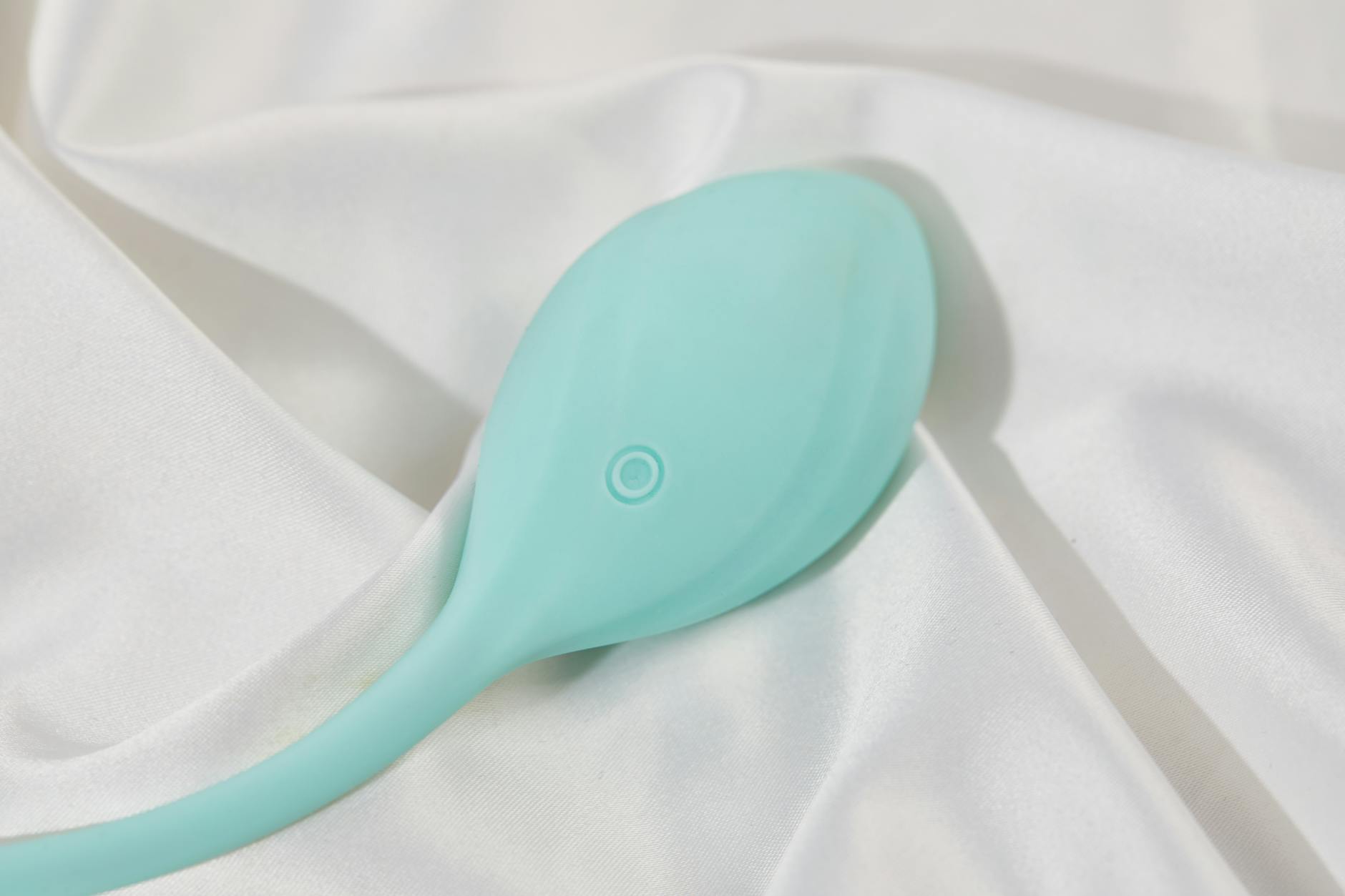
Let's talk about the thing nobody mentions
Grief doesn't just live in your chest or your thoughts. It lives in your body. It numbs your skin, flattens your senses, makes pleasure feel impossibly distant or even wrong to pursue. For months after a major loss, you might notice that arousal has just... disappeared. Sex feels mechanical. Touch feels hollow. Even thinking about pleasure can bring a surge of guilt.
That numbness is not a flaw. It's your nervous system protecting you while you process something enormous. But at some point, reconnecting with physical sensation becomes part of healing. And that's where lemon vibrators come in.
Why grief mutes arousal in the first place
When you're grieving, your body is running on stress hormones. Cortisol and adrenaline hijack the system that usually fuels desire. Your nervous system is stuck in a low, dysregulated state. It's not that you've lost the capacity for pleasure. It's that your brain has decided pleasure is off the menu until it's safe to feel again.
Meanwhile, your pelvic floor often tightens reflexively during grief. That tension makes touch feel uncomfortable or even painful. And the dopamine and oxytocin that usually build during arousal get crowded out by grief's neurochemistry.
Lemon clitoral vibrators work here because they do something antidepressants and talk therapy alone can't: they trigger a genuine physiological response without requiring your emotional bandwidth. A good lemon vibrator, like those Hello Nancy makes, uses gentle suction that stimulates nerve endings directly. Your brain doesn't have to decide whether pleasure is allowed. Your body just starts responding.
The suction advantage when numbness is deep
During acute grief, traditional vibration can feel too harsh or too direct. Suction is different. It pulls gently on the tissue, creating a sensation that's harder to ignore than buzzing. It's also less about performance and more about pure sensation, which matters when you're not trying to "achieve" anything.
Start with the lowest setting. You're not chasing an orgasm here. You're waking up nerve endings that have been asleep. The lemon vibrator's gentle design means you can spend fifteen minutes just feeling something without the pressure of it leading anywhere.
Many people find that suction-based stimulation feels less aggressive than traditional wand vibrators. There's a softness to it that doesn't demand you be "ready" or "in the mood." You can be numb, distracted, or even crying, and the lemon vibrator still works.
How to actually do this when grief is heavy
First rule: no pressure. If you're not feeling it, stop. Grief healing isn't linear, and neither is pleasure.
Set a small window of time when you're not completely exhausted. Even five minutes helps. Make the space warm, private, and comfortable. You're not performing. Nobody's watching. This is purely about sensation.
Use water-based lubricant. Grief often comes with dehydration and stress, which can make tissue feel thin or uncomfortable. Lube removes that friction and lets you focus on what you're actually feeling instead of discomfort.
Start at pattern one. Let the lemon vibrator do the work. Your job is to notice: Does this feel warm? Tingly? Numb? All of those are fine. Grief sometimes means pleasure comes back slowly, in small increments. After five sessions, you might feel a bit more. After ten, perhaps something registers as genuinely pleasurable.
If an orgasm happens, great. If it doesn't, that's also fine. The point is reconnection, not performance.
The emotional layer underneath
Using a lemon vibrator during grief can bring up complicated feelings. You might feel guilty. You might feel like you're betraying the person you've lost by feeling pleasure. You might feel angry that your body is responding when your heart still aches.
All of that is normal. Pleasure and grief can exist in the same body at the same time. One doesn't erase the other. In fact, as you work through loss, your capacity to feel pleasure again is sometimes a sign that your nervous system is beginning to regulate. That's not disrespect. That's healing.
If you have a partner, this is worth talking about directly. Some people find that their partners feel hurt or confused when arousal disappears during grief. Others feel pressure to perform pleasure before they're ready. A conversation that sounds like "I need to reconnect with my body on my own timeline, and I might use a lemon vibrator to do that" opens the door for real support instead of misunderstanding.
When to seek more support
If numbness persists for more than a few months, or if you notice that pleasure feels impossible even with stimulation, check in with a therapist who specializes in grief. Sometimes what looks like low libido is actually depression that needs clinical attention. Sometimes it's trauma layered under the grief.
Lemon vibrators are a tool, not a cure. They help you reconnect with sensation. But they work best as part of a bigger picture that includes sleep, movement, community, and often professional support.
There's also no rush. Grief has its own timeline. Your pleasure will come back when your nervous system decides it's safe. A lemon vibrator just makes that return feel a little less lonely.
People also ask
Is it normal to lose all interest in sex when grieving a major loss?
Completely normal. Grief activates your parasympathetic nervous system, which shuts down arousal. Your body is protecting you while you process something massive. Loss of libido during grief is one of the most common experiences, and it usually doesn't mean anything is wrong with you or your relationship. It means you're grieving.
Can using a lemon vibrator help me feel less emotionally numb overall?
Partially. Physical sensation can help wake up your nervous system in small ways. But emotional numbness from grief usually needs time, support, and sometimes professional help to shift. A lemon clitoral vibrator can help you feel something physical while your emotions are still catching up, which matters. Just don't expect it to heal the grief itself.
What if touching myself feels wrong or disrespectful while I'm grieving?
That's a value question only you can answer. Some people find that self-pleasure during grief feels like a form of self-care and grounding. Others feel like it conflicts with honoring their loss. Both are valid. If you're unsure, it might help to talk with a therapist or spiritual advisor about what feels authentic to you.
How often should I use a lemon vibrator if I'm grieving?
There's no prescription. Some people find it helpful once or twice a week. Others prefer less frequent use. The goal is to reconnect with sensation gently, not to create another obligation. If using a lemon vibrator starts to feel like a chore, back off. If it feels grounding, keep going.
Can a partner help me use a lemon vibrator during grief?
Yes, though it depends on your relationship dynamic and what you both need. Some couples find that partnered exploration with a lemon vibrator helps them reconnect during grief. Others need solo time to rebuild that sense of safety in their body first. Talk about what would feel supportive versus pressure. There's no single right way.
Will pleasure come back completely, or will grief change my sexuality permanently?
Both. Your pleasure will likely return to normal over time. But grief often changes how you experience sexuality. You might have new boundaries. You might need different things from a partner. You might value physical connection differently. That's not damage. That's integration. You're grieving, and your sexuality is grieving too. They usually find their way back together.
You don't have to rush this
Grief is not a season you need to "get through" so you can get back to normal. It's something you integrate. Your body knows this. That's why pleasure disappeared in the first place. And that's why, when it starts to come back, it matters. A lemon vibrator won't replace what you've lost. It won't speed up healing. But it can help you feel present in your own body again, even while you're still figuring out how to live in a world that's changed.
If you're ready to explore, start small. Let your nervous system move at its own pace. And know that reconnecting with pleasure during grief is an act of self-compassion, not betrayal.