Let's talk about the gap
Relationship distance isn't always about how far apart your bodies sit. Sometimes it's the space that grows between you when life gets loud—work stress, caregiving demands, grief, or just the slow erosion of priority over months or years. You might still live together, still have sex occasionally, and still love each other. But something feels off. The ease is gone. The laughter doesn't land the same way. Touch feels tentative instead of rooted.
Rebuilding intimacy after that kind of distance is different from starting fresh, and it's definitely different from "normal" desire. It requires patience, honest conversation, and practical tools that don't pretend the gap doesn't exist.
Here's what I see in my practice: couples who try to rush back to their old rhythm almost always fail. The ones who succeed are the ones willing to start small, stay curious, and use technology that makes reconnection feel less pressured and more playful.
Why lemon vibrators help when you're starting over
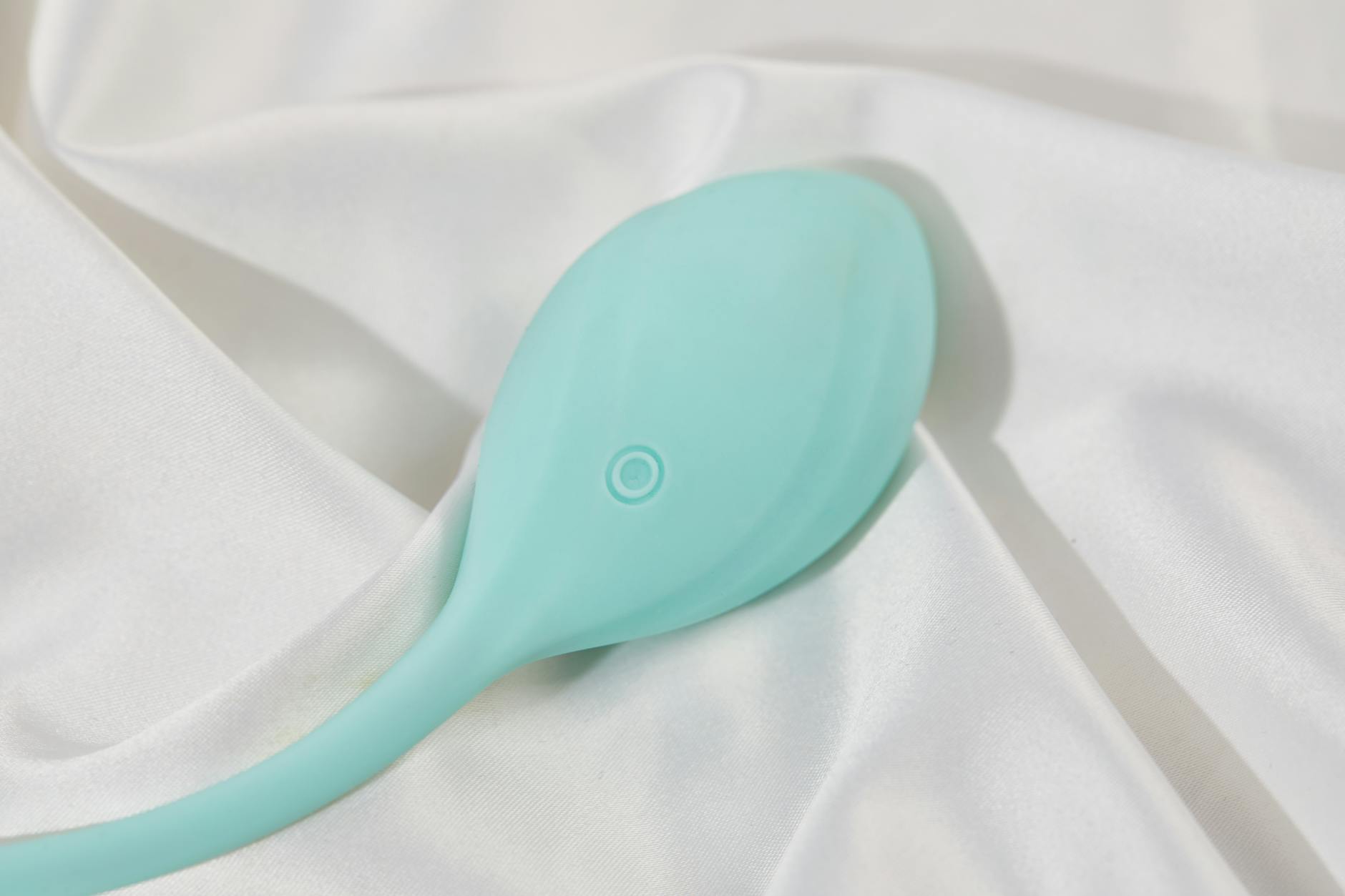
A lemon clitoral vibrator like the Hello Nancy Lem works particularly well for couples rebuilding intimacy because it does three things your hands alone can't do right now.
First, it removes performance pressure. When you've been distant, the fear "what if this doesn't work" or "what if we can't find that spark again" gets louder than actual desire. A lemon sucker removes some of that cognitive load by doing the stimulation itself, which means less pressure to perform perfectly and more space for actual feeling. You're not trying to remember exactly where or how. The toy handles the mechanics. You just show up.
Second, it creates novelty without starting from scratch. Novelty is scientifically linked to rekindling arousal in long-term couples. But novelty doesn't have to mean "try that thing we've never done." It can be as simple as introducing a tool you've never used together. That shift alone can interrupt the old pattern and create psychological permission to feel something different.
Third, it works well for partners at different arousal levels. When couples have been distant, their desire often rebounds unevenly. One partner might be ready to reconnect faster than the other. The lemon vibrator lets the less-aroused partner participate without performing, which paradoxically often makes it easier for them to access genuine desire.
The conversation that comes before the toy
This step is non-negotiable. If you skip it, you're basically trying to use a clitoral vibrator to fix a relationship problem, which it can't do.
Find a time when you're both calm and clothed, ideally not in the bedroom. Say something like: "I miss how close we felt. I want to rebuild that, and I think we could try something new together. I've been thinking about trying a lemon vibrator. What would feel okay to you?"
Then actually listen to the answer. If your partner says "I need more time" or "I'm nervous about that," that's real data. Work with it. Don't push. Consent and enthusiasm together are what reignite desire. One without the other just creates more distance.
If they're open to it, talk about what you're both hoping to get out of it. Is it to feel closer? To rediscover pleasure? To break the awkwardness? Different goals require different approaches.
How to use the lemon vibrator when you're just starting out
Start with the lowest setting and plenty of patience.
Honestly, when couples are rebuilding, I recommend the first few times involve zero pressure to have sex. The goal is just to feel good together. That might mean one partner uses the lemon vibrator solo while the other person is present—maybe touching them elsewhere, maybe just talking or being silent together. No expectation of penetration or orgasm. Just pleasure, witnessed.
This matters because it lets your nervous system remember what safe, connected sensation feels like without the performance demand of "now we have to have full sex."
Here's a practical sequence I recommend:
Session 1: One partner uses the Lem (on pattern 1 or 2) while the other person holds them, strokes their hair, or touches their arms. Five to ten minutes. The point is togetherness and re-familiarization with each other's body, not orgasm. Many couples report that just this feels monumentally different from where they'd been.
Session 2 (a few days later): Same setup, but maybe the Lem goes to pattern 3. The partner can narrate what they're feeling: "This feels so good," "I like when you touch my shoulder," "I missed this." Vulnerability in real time. It doesn't have to be poetic. Just true.
Session 3: Introduce mutual touch. The person with the Lem uses it, the partner still provides touch, and now there's also kissing or the partner might also get stimulated. No rush to synchronize or match arousal levels. You're just both present and feeling something.
After those initial sessions, you'll have better data about what actually works for your bodies and your dynamic right now. Many couples tell me they realised their old rhythm wasn't even what they actually wanted. The distance, weirdly, gave them permission to rebuild differently.
What happens when one partner reaches orgasm before the other
When you're rebuilding intimacy, this almost always happens. One person gets there first. The temptation is for them to feel guilty or for the other person to feel frustrated. Both are the wrong move.
Instead: celebrate it. They got there. Their body woke up. That's a win. Then you keep going. The partner who hasn't come yet can continue with the lemon vibrator while the other person keeps touching them, talking to them, or just being present. Orgasm doesn't have to be simultaneous to be connected. In fact, learning that your pleasure doesn't have to match your partner's perfectly is part of actually rebuilding intimacy.
You're not trying to get back to exactly what you had before. You're discovering what works now.
The role of honesty and small talk
This is the part nobody mentions but every therapist will tell you is essential. While you're using the lemon vibrator together, talk. Not dirty talk necessarily, just... real talk. "This feels nice," "I'm nervous," "I forgot how much I like this," "Can you touch me a little higher," "I love you, I want to fix this."
Conversation during physical intimacy—especially when you're rebuilding—signals that you're safe together. It breaks the old pattern of silence or performance. It reminds you both that you're not trying to be perfect. You're trying to be together.
When to see a therapist instead of (or alongside) using a toy
If the distance came from infidelity, deep betrayal, or prolonged emotional abuse, a lemon vibrator isn't going to fix that. Those situations need professional support. A good relationship therapist can help you decide whether reconnection is even the right goal, or whether you need to rebuild trust in other ways first.
If the distance came from life stress, caregiving demands, depression, or simple drift, a tool like the Lem plus honest conversation plus willingness to prioritize each other again can absolutely help. But be honest about what caused the distance, and address that too.
FAQ: Rebuilding intimacy with lemon vibrators
What if using a vibrator feels too vulnerable at first?
Start smaller. You don't have to use it together right away. One partner using it solo while the other is in the room is a fine first step. Vulnerability is the goal, but it needs to happen at the pace your nervous system can handle. If it feels too much, take more time. There's no deadline for rebuilding.
Can I use a lemon vibrator if I'm also in couples therapy?
Absolutely. A toy is just a tool, not a substitute for the real work of reconnection. In fact, many therapists will explicitly suggest using tools like vibrators to help couples practice presence and communication. Let your therapist know you're introducing it so you're aligned.
What if one partner wants to use it and the other doesn't?
That's important information. The hesitant partner isn't broken or prudish. There's likely a reason they're reluctant, and it's worth exploring. Maybe they feel judged. Maybe they're not ready to reconnect yet. Maybe they're worried about comparison or performance. Curiosity instead of pressure is the move here. "What feels uncertain about this to you?" is a better question than "Why won't you try it?"
How often should we be using it while rebuilding?
Start with weekly or less. The frequency isn't the point. Consistency is. One intentional evening together where you both show up means more than three hurried sessions. Quality over frequency. Once you've rebuilt some ease and pleasure, you can go more often if you want to, or stick with what feels good.
Is it normal to feel awkward the first time we use a vibrator together?
Completely normal. Awkwardness is just what rebuilding feels like at first. You're trying something new, your nervous system is cautious, and you're both probably a bit self-conscious. That's fine. Awkwardness usually softens after the first or second time when you realise nothing catastrophic happens and the pleasure is real.
What if we still feel distant even after introducing the vibrator?
Then the distance is probably about something bigger than physical intimacy. A lemon clitoral vibrator is a helpful tool for reconnection, but it's not a repair. If you're still feeling the gap after a few intentional sessions together, that's a sign to get support from a therapist. Sometimes couples need to rebuild trust or address conflict before physical reconnection becomes possible.
The truth about rebuilding
Reconnecting after relationship distance is slower than the first time you fell into each other. It requires more words, more explicit consent, more checking in. That feels like a loss until you realise it's actually a gain. The couples who rebuild most successfully usually end up with better intimacy than they had before the distance because they've had to get deliberate about desire and presence.
A tool like a lemon vibrator isn't magic. But it does something useful: it gives you both permission to slow down, to feel something new together, and to remember that your bodies are worth showing up for. Start there. The rest follows.