Let's start with what grief actually does to your body
Grief is a full-body shutdown. It doesn't just feel sad. It numbs sensation, flattens desire, and makes your nervous system say "we're not thinking about pleasure right now." Your brain is literally redirecting resources away from sensory pleasure toward survival mode. That's not a character flaw. That's neurobiology.
Most people don't expect this. They think grief means you cry more, not that you stop feeling anything at all. But disconnection from pleasure after loss is one of the most common, least discussed parts of grieving.
Why pleasure feels impossible during grief
When you lose someone important, your brain activates the dorsal vagal response. Your nervous system down-regulates. Blood flow pulls away from your extremities and concentrates in your core. Pleasure requires the opposite state. It requires activation, parasympathetic engagement, and a brain that's willing to notice sensation.
During acute grief, your body is in protective mode. It's not that you've broken. It's that your system is doing exactly what it's supposed to do: conserve energy, stay alert for threat, delay non-essential functions.
The second piece is emotional. Feeling pleasure can feel like a betrayal when someone is gone. Guilt arrives. The logic is broken, but the feeling is real: "How can I feel good when they can't?" Your psyche creates numbness as a way to stay loyal to the loss.
When it's actually safe to explore pleasure again
There's no timeline. Grief doesn't follow a schedule.
What matters is whether you're in acute crisis or whether you've moved into integration. Acute grief usually means you're sleeping poorly, forgetting to eat, unable to focus. Integration means you can sit with the loss without it being the only thing in the room. You can have a conversation without the loss monopolizing it. You can laugh and then feel guilty, but the guilt doesn't paralyze you.
If you're in acute crisis, skip this. Come back in a few months when the ground feels less unstable. Pleasure is not a priority right now, and trying to force it often backfires.
If you're in integration, exploring sensation can actually help. It signals to your nervous system that it's safe to feel again, even if what you're feeling is complicated.
Why lemon clitoral vibrators work for reconnection
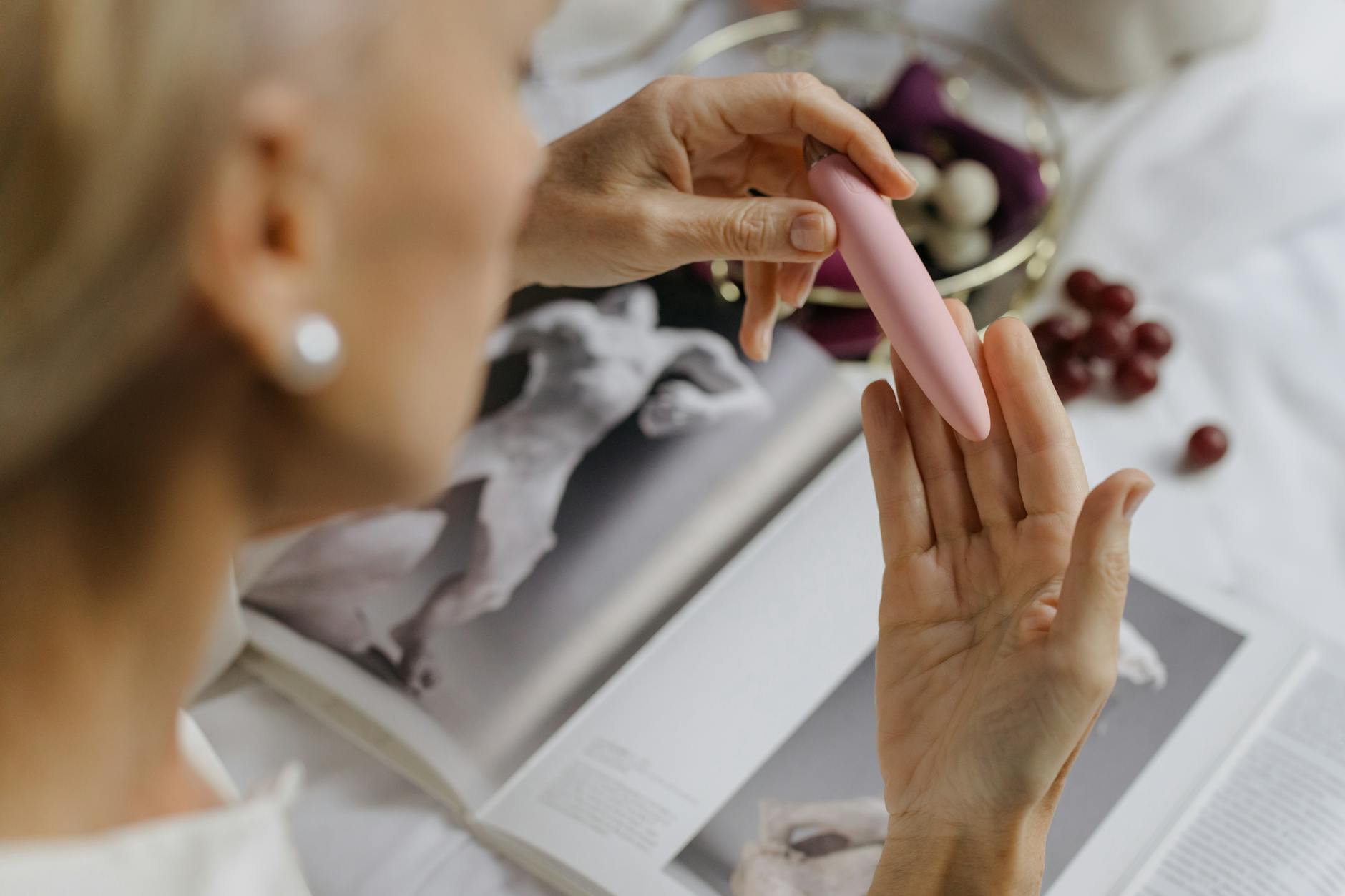
Lemon vibrators and similar clitoral suction toys have a specific advantage during grief-related numbness: they don't require much from you.
They don't require you to be aroused first. Most vibrators feel better once you're already turned on. Lemon clitoral vibrators create sensation directly, which can kickstart arousal even when your body feels flat. They offer stimulation without the intensity of wand vibrators, which is crucial when you're learning to feel again.
The sensation is also distinct enough that your brain notices it. When you're numb, you need something strong enough to break through the fog without being harsh. A lemon vibrator's gentle suction does that.
There's also something about the ritualistic quality. Using a lemon sexual toy intentionally signals to yourself that you're choosing to explore sensation. That agency matters when grief has made you feel powerless.
How to actually start
This is not about orgasm. That's important to understand first. Orgasm is the goal for maybe the twentieth time you do this. Right now, the goal is sensation.
Pick a time when you're alone and when you have space to feel whatever comes up. Grief often arrives uninvited, so be prepared for that. Some people cry. Some people feel nothing and then feel guilt about the nothing. All of it is normal.
Start with a lemon clitoral vibrator on the lowest setting. You're not building toward orgasm. You're literally just noticing sensation. What does it feel like? Is it pleasant or too intense? Can you notice it?
If you feel nothing, that's fine too. Your nervous system might not be ready. Try again in a few weeks.
If you feel something, stay there for a few minutes. Don't push toward climax. Just notice. This is the reconnection piece. You're teaching your body that sensation is possible again.
What happens when grief surfaces during pleasure
It probably will. You might feel arousal building and then suddenly remember that your person is gone. The pleasure collapses. Guilt arrives. This is so common it's basically universal.
When this happens, pause. Sit with it. Let yourself feel the grief without trying to fix it or push past it. You don't have to keep going. Stopping is not failure.
Some people find that continuing slowly through the grief actually helps. The sensation becomes a container that holds both pleasure and loss at the same time. That's a sign you're integrating, not compartmentalizing.
Others need to stop entirely for that session. That's also fine. Grief is not linear, and your capacity changes day to day.
The role of a partner (if you have one)
If you're grieving alongside a partner, communication matters wildly more than usual. They might be interpreting your numbness as rejection. They might be grieving differently, with more access to desire, which can create shame for both of you.
One conversation can help: "I'm exploring sensation again, and it might feel different than before. I'm not rejecting you. My nervous system is just reorganizing." That's it. That's enough.
If your partner wants to be involved, you can explore a lemon clitoral vibrator together. Some people find that the presence of their partner helps. Others find it adds pressure. You get to choose.
If your partner is the one you're grieving, this is harder. Solo exploration might be easier than partnered. There's no rule here. Whatever feels least complicated is the right call.
What reconnection actually looks like
It's not a sudden return to your old pleasure baseline. It's incremental.
Week one: you feel a tingle and you notice it. That's success.
Week four: you can build sensation for a few minutes without grief interrupting. That's growth.
Week twelve: you have an orgasm, and it feels muted but real. That's integration.
Month six: you're exploring pleasure and it feels closer to what it used to, though it's still different because you're different. That's the new normal.
The lemon vibrator just helps that progression happen at a pace your body can handle. It doesn't force anything. It just makes sensation accessible.
When to talk to someone
If grief is so heavy that nothing feels possible, not just pleasure but basic functioning, please talk to a therapist or your doctor. Complicated grief is real, and disconnection from pleasure can be part of depression.
If exploring pleasure is creating shame or guilt that's paralyzing, that's worth discussing with a professional too. Pleasure after loss is not a betrayal, but your brain might need help understanding that.
Lean into your person if you have one. Lean into professionals if you need to. Grief is not something you navigate alone.
FAQ
Why does grief make pleasure feel impossible?
Grief activates your nervous system's protective response. Your brain prioritizes survival and emotional processing over pleasure-seeking. Additionally, guilt often accompanies pleasure after loss, creating an internal conflict where feeling good feels like a betrayal of the person you've lost. This is neurological and emotional, not a sign that something is wrong with you.
Can I use a lemon vibrator while I'm in acute grief?
Acute grief usually means your nervous system is in crisis mode. It's generally better to wait until you've moved into integration, where you can sit with the loss without it consuming every moment. If you try and feel nothing, that's your body saying it's not ready. That's okay. Come back when the ground feels steadier.
Is feeling guilty about pleasure after loss normal?
Completely normal. Your brain is trying to stay loyal to the person who's gone by refusing to feel good without them. This is a grief response, not a moral reality. Pleasure doesn't dishonor their memory. It signals that you're beginning to integrate the loss into your life rather than letting it define all of it.
How long does it take to reconnect to pleasure after grief?
There's no universal timeline. Acute grief can last weeks to months. Integration takes longer. Some people start exploring sensation again in two months. Others need six. Your timeline is the right one. Comparing yourself to others' grief will only add frustration on top of the loss.
Can I use lemon clitoral vibrators with a partner after losing someone together?
Yes, if both of you want to. Sometimes shared grief makes physical connection harder because the loss is so visible to each other. A lemon vibrator can be a gentler way to reconnect sexually because it's not about traditional arousal. You're rebuilding sensation together. Talk first about what you both need, then try if it feels right.
What if I still feel nothing after using a lemon vibrator?
Your nervous system might still be in protective mode, and that's okay. Numbness during grief is a valid response. You could try again in a few weeks, or you could accept that right now is not the time. Forcing sensation won't help. Patience and self-compassion will. If numbness persists for months beyond acute grief, that might be depression worth addressing with professional support.
Moving forward
Grief changes your relationship to pleasure. It doesn't end it. The goal isn't to get back to who you were before the loss. That person doesn't exist anymore. The goal is to gently teach your nervous system that sensation is possible again, that pleasure can coexist with loss, and that reconnecting to your body is part of honoring your own survival.
A lemon clitoral vibrator is just a tool. The real work is patience with yourself. You deserve to feel good again, and there's no timeline for when that happens. Let your body lead.