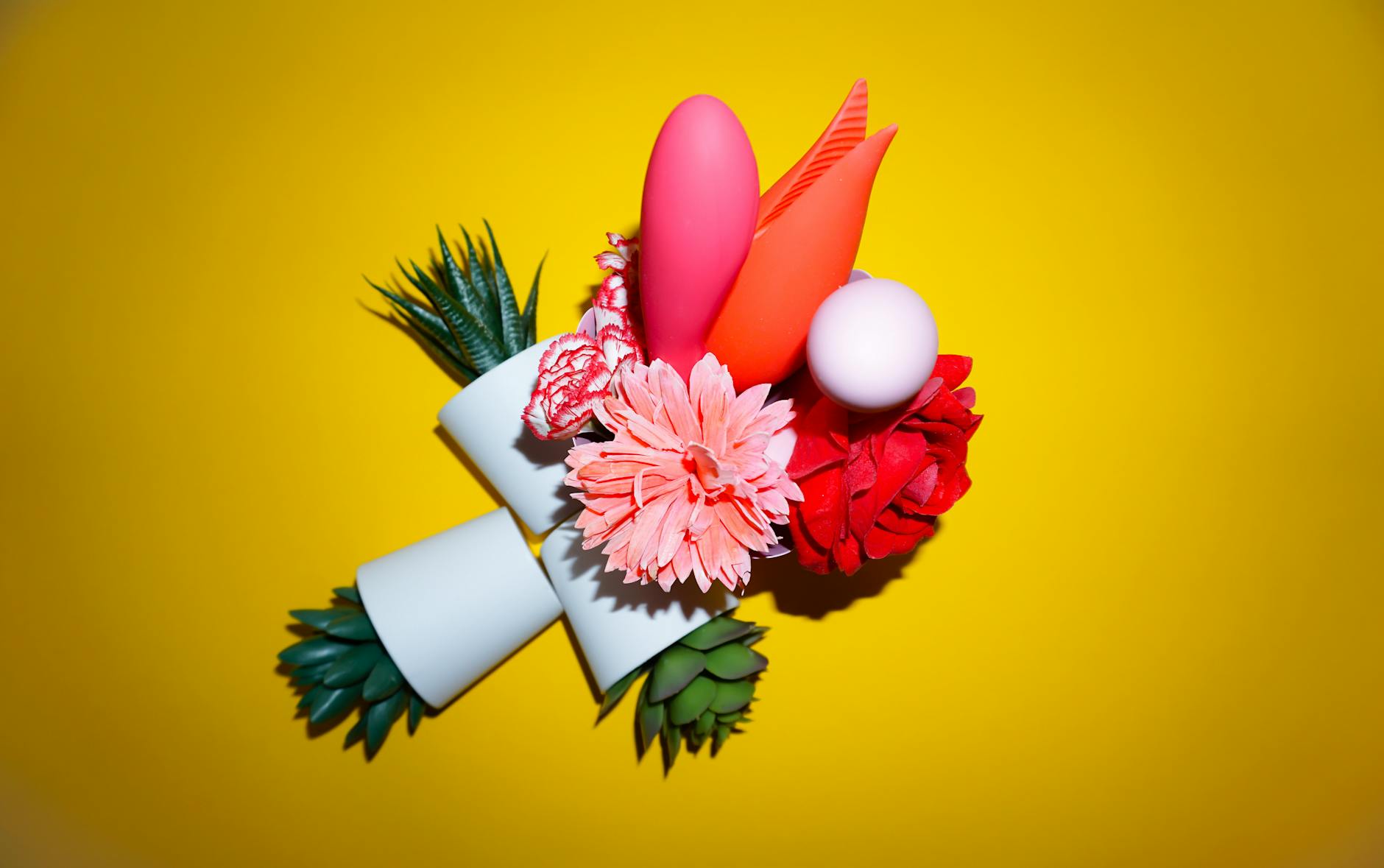
Let's start with the honest part
Introducing a lemon vibrator to someone new is not about convincing them toys are good. It's about giving them permission to be curious without feeling replaced or inadequate. Most resistance to vibrators isn't about the toy itself. It's fear. Fear that you prefer it to them, that you'll need it every time, that it means they're not enough.
You can address that fear by being direct about what you actually want: more pleasure, more sensation, possibly more variety. That's not a referendum on them. That's just you being alive in your body.
When to bring it up matters more than how
Timing is everything. Don't introduce this during sex or right after. Don't ambush them with a toy already in hand. The best moment is calm, clothed, and outside the bedroom. Maybe over coffee. Maybe on a walk. Anywhere you'd have a normal conversation about anything else.
Why? Because introducing toys during intimacy makes it feel reactive, like a problem you're suddenly solving mid-act. It also hijacks the moment itself. If they say yes right then, great. If they hesitate, you've now got a tense situation when everyone's naked and vulnerable.
Instead, talk about it when you both have bandwidth to actually think. Anxiety drops when you're not in your underwear.
The script (roughly, because you know your partner)
Start with something like: "I've been thinking about trying a vibrator together. I think it could feel really good, and I'd like to explore that with you. How do you feel about that?"
Notice what's not in that sentence: "I need it." "You're not enough." "I've always wanted this." Just honest, low-pressure, and collaborative.
If they say no right away, ask why. Usually it's one of three things: they think it'll replace them, they're embarrassed, or they literally don't understand what it does. None of those are deal-breakers.
They think it will replace them
This is the biggest worry. Address it directly: "This isn't about you not being good enough. It's about adding something new. I still want you. I want you and this." The best part? It's true. A lemon clitoral vibrator works best with a partner already involved. You're not looking for a solo experience. You're looking for a duet.
Offer to let them hold it. Let them decide when to use it. Give them control. People are way less threatened by a tool they're holding than one you're holding on yourself.
They're embarrassed
If someone's embarrassed, shame thrives in silence. The fix is normalization. "Lots of people use vibrators. It's not weird. It's just something that feels good." Short. Not defensive. Not a TED talk about sexual health.
You might also say: "I know it's maybe not what you grew up thinking about. But I like my body and I like pleasure. And I like you. All of that's true at once." Confidence is contagious.
They don't understand what it does
This one is easy. Show them. Not sexually. Just literally. "It's a clitoral vibrator. It creates suction and vibration on the clitoris. It feels like this." (Let them touch it, turn it on, feel the sensation on their fingertip.) When it's demystified, it's just a tool. Less loaded.
Why lemon vibrators work particularly well with new partners
A few practical reasons. First, they're discreet enough that you can introduce them without it feeling like bringing industrial equipment into the bedroom. Second, they don't require a lot of explanation. "It creates suction" is way easier to grasp than "it has nested motors that target the clitoral bulbs." And third, they're genuinely designed to work with a partner already inside or present. You're not replacing the partner. You're enhancing what's already happening.
If they agree to try it, start small. Not during a big production. Just the next time you're intimate, maybe you use it on yourself first while they watch. No performance. No pressure. Just you exploring your own body, and them getting comfortable seeing you do that.
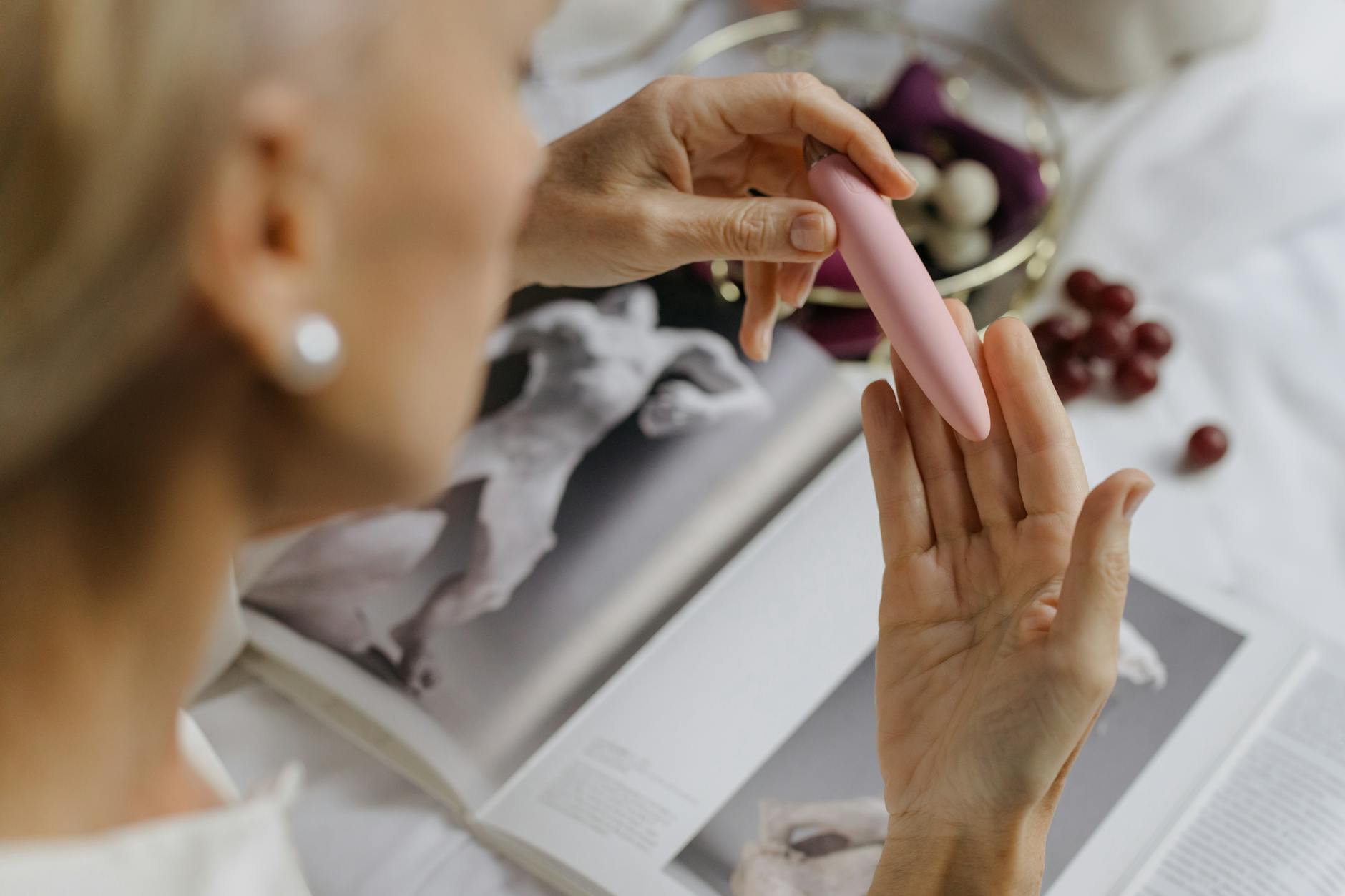
Photo by cottonbro studio on Pexels
How to actually use it together once they're on board
Start with conversation about what you each want from the experience. "I'd like you to use this on me while we're together" is a clear ask. So is "I want to try this solo while you watch." So is "I want you inside me while I use this." Different people have different comfort levels. Ask.
Begin with lower intensity. Let them see how it feels before you ramp up. Check in. "Does this feel good?" "Do you want me to keep going?" This serves two purposes. One, you're actually calibrating pleasure. Two, they're hearing that you're in control, that you're communicating, that this is collaborative.
The suction-based design of lemon vibrators means they work really well for external stimulation. If your partner is inside you, the vibrator sits on top of your clitoris. No interference. No weird angles. Just added sensation to what's already happening. That's often when skepticism evaporates. They feel you respond differently. They see your pleasure increase. Suddenly the toy isn't a threat. It's just better.
Alternatively, you might use it while your partner manually stimulates you elsewhere. Or you might both just get comfortable with the idea that sometimes you use it together and sometimes you use it solo. The script doesn't have to be the same every time.
If they're still resistant after an honest conversation
That's okay. That's information. But it's worth asking whether this is about the toy or about something else. Sometimes resistance to toys is actually resistance to the idea that your pleasure matters enough to prioritize.
If someone loves you, they want you to feel good. They might not be ready for a vibrator right now. But if they're fundamentally opposed to anything that brings you pleasure, that's a different conversation and probably one worth having with a therapist, not just your partner.
For most people, though? Given a calm conversation, permission to be curious, and evidence that this actually works for you and feels good with them, curiosity wins. The lemon vibrator isn't threatening. It's just a really good tool.
The long game
Introducing a vibrator isn't about this one conversation or this one time you use it together. It's about building a relationship where you both feel safe saying what you want. Where pleasure is celebrated, not hidden. Where a toy is just a tool, not a referendum on anyone's worth.
New relationships are actually the ideal time for this. You're still in the phase where you're learning each other's bodies and preferences. Adding a lemon vibrator to that exploration is just information. It tells you both what feels good, what you like, what works. That becomes part of your shared language.
Start small. Stay honest. Listen. And give your partner room to be surprised by how much they enjoy this too.
People also ask
How do I know if my partner will be open to using a vibrator?
You won't know until you ask. But there are soft signals. If your partner initiates conversations about trying new things, if they ask what you enjoy, if they seem curious about your body rather than defensive about it, they're probably more open than you think. The best predictor, though? Just asking directly and giving them space to answer honestly.
What if my partner says no but seems uncomfortable rather than firm?
There's a difference between "no" and "I'm scared." If someone seems hesitant rather than resistant, you might say: "You don't have to do anything you don't want to. But I'm curious whether you'd want to learn more about it before deciding." Sometimes people say no because they don't understand what they're saying no to. Knowledge changes things.
Should I use a vibrator on myself first before involving my partner?
Yes. Get comfortable with it. Know how it feels, what settings you like, what your body responds to. Then when you introduce your partner to the idea, you're speaking from experience, not theory. You can say "I tried this and here's what I noticed" instead of "maybe we could try this someday." That confidence changes the conversation.
Is it weird if my partner wants to use the vibrator on me the first time instead of me using it?
Not weird at all. Some people feel less threatened when they're holding the tool. Some people like exploring your body that way. Let them. In fact, invite it. "Would you want to try it on me?" puts them in an active, generative role rather than a passive one. That often dissolves defensiveness.
How long after we start dating should I mention vibrators?
There's no timeline. It depends on how quickly intimacy develops and how comfortable you both are talking about sex. Three months in? Fair game. One month in? Maybe you're still in the getting-to-know-you phase. The rule is less about time and more about comfort. Can you talk about what feels good? Can you ask for what you want? Then you're ready for this conversation.
What if we try it and my partner hates it?
Then you've learned something. You can use it solo. You can revisit it later. You can try something different. One negative experience isn't a veto on the entire idea. But it's also worth asking what they disliked. Was it the sensation? The feeling of inadequacy? The experience itself? Different answers suggest different paths forward. Most importantly, you're not obligated to like the same things. Respect that.
Next steps
Start with the conversation. No toy required for that part. Just honesty and willingness to listen. From there, everything else follows. Need support navigating the bigger picture of introducing pleasure into a new relationship? My Lemon Sex Toys has resources that might help. Or reach out anytime. You deserve a partner who's curious about your pleasure, not defensive about it.