The part nobody mentions when they prescribe SSRIs
Your antidepressant is doing its job. You're sleeping better, the anxiety has loosened, the intrusive thoughts have quieted. Then you try to get aroused and something feels wrong. Maybe sensation is muffled. Maybe orgasm takes twice as long. Maybe it doesn't show up at all.
You're not broken. This is a documented side effect of SSRIs and SNRIs affecting roughly 40-60% of people who take them. And here's what your doctor probably didn't say: there are specific strategies that work, and lemon clitoral vibrators are one of the most effective ones.
How antidepressants change the pleasure pathway
SSRIs work by increasing serotonin in your brain. That's good. It's also why orgasm sometimes gets complicated.
Orgasm happens in layers. First, your brain needs to send the "go" signal. SSRIs can muffle that signal by increasing serotonin in the hypothalamus and prefrontal cortex, the areas that regulate sexual response. Second, your genitals need to respond with physical changes. SSRIs can slow down vasocongestion (blood flow to the clitoris and labia) and delay the muscle contractions that create an orgasm.
Meanwhile, your sensation threshold goes up. You need more stimulation to feel the same amount of pleasure. The same touch that used to make you shiver barely registers now.
This isn't depression returning. It's not about your relationship or your body. It's neurochemistry being chemically altered in a specific way.
Why lemon vibrators specifically help
Here's where air-suction technology changes the game.
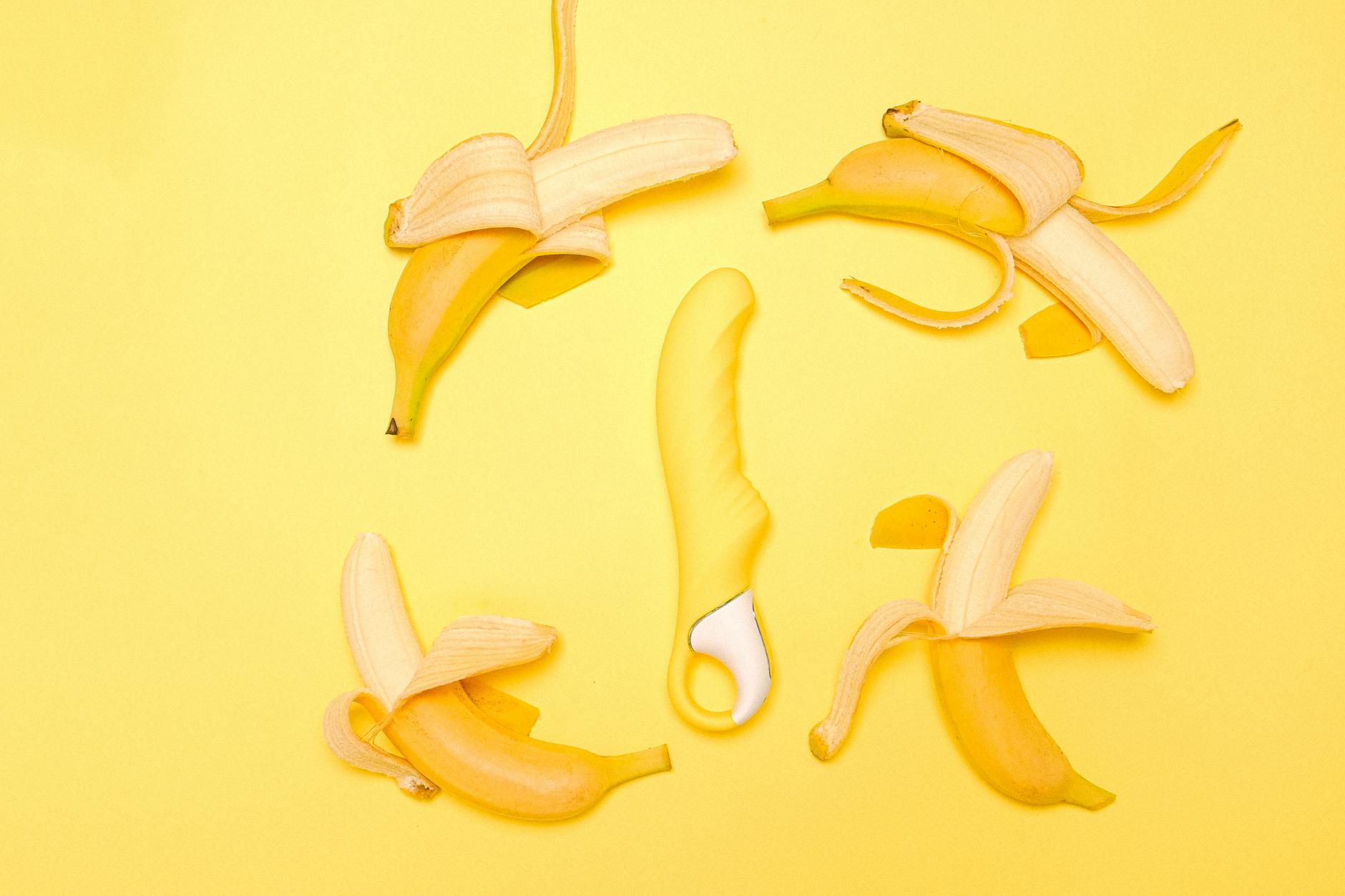
A lemon clitoral vibrator like the Lem doesn't work through vibration alone. It creates gentle suction pulses that stimulate a much larger area of the clitoris than regular vibration does. Your clitoris is actually a complex structure with thousands of nerve endings. When surface-level sensation feels muted, suction stimulates deeper nerve tissue and the internal branches of the clitoral body that vibration often misses.
This matters because SSRI-related sexual dysfunction isn't just about reduced sensation. It's about reduced response efficiency. Traditional vibrators require steady, direct nerve firing. Suction works differently. It creates rhythmic pressure changes that can wake up neural pathways that SSRIs have dampened.
In practical terms: when you can't feel much with your fingers, you might still feel a lemon clitoral vibrator.
The settings that actually work when you're on SSRIs
Not all lemon vibrator settings feel the same on medication-altered sensation.
Start low and go slower than you think. The Lem has seven intensity levels. Most people without SSRI side effects use levels 4-6. If you're on an antidepressant, begin at 1-2. This isn't about timidity. It's about letting your nervous system register sensation clearly. When the signal is quieter, you need time to hear it.
Pulse patterns work better than steady suction. The Lem's rhythmic patterns (pulsing, waves, building intensities) create more nerve stimulation than continuous suction at the same power level. Your brain processes the change in sensation more easily than constant input. If steady mode feels boring or distant, switch to a pulsing pattern and adjust intensity from there.
Layer warmup with direct stimulation. Spend 10-15 minutes on foreplay or external touching before you bring in the vibrator. SSRIs slow down arousal buildup. Your clitoris needs time to engorge and become more receptive. Think of it as priming the nervous system before you ask it to register intense sensation.
Use water-based lube even if you don't think you need it. SSRIs sometimes affect natural lubrication (through various hormonal pathways). Lube isn't just about comfort. It reduces friction, which means the suction of a lemon vibrator engages more tissue surface area and transmits stimulation more efficiently.
Timing and rhythm adjustments
Orgasm on SSRIs often takes longer. This is actually normal and not a sign of failure.
If you're used to reaching orgasm in 5-10 minutes, budget 20-30 minutes when you're on an antidepressant. This isn't indefinite. As your body adjusts to the medication (usually 3-8 weeks for sexual side effects to stabilize), the time window often shortens. But rushing it doesn't help. Your nervous system needs what it needs.
One thing I notice with clients using lemon vibrators on SSRIs: the orgasm itself often feels different. It might be less explosive, more localized, or take a different shape. That's not worse. It's different. Let it be different. Fighting the change requires energy. Accepting it and exploring it often leads somewhere satisfying.
The mental layer (which is bigger than you think)
Here's the part that's usually skipped over in medical forums.
When you're on an antidepressant, you're already managing the story that your brain is chemically altered. Adding "and my sexuality is altered too" creates a secondary anxiety loop. You become aware of your lack of arousal, which creates performance pressure, which dampens arousal further.
Using a tool like a lemon clitoral vibrator can actually interrupt that loop because it gives your mind something concrete to do. Instead of "I'm trying to feel something that isn't coming," you have "I'm exploring what this feels like at this intensity." The shift from passive waiting to active exploration changes the neurological experience.
Also: removing the pressure to orgasm often speeds up the orgasm. Weird but true. When you're using a lemon vibrator for sensation and discovery rather than performance, your nervous system relaxes into responsiveness.
When to talk to your doctor about timing or switching
Not all SSRIs affect sexual function equally.
Sertraline (Zoloft) and paroxetine (Paxil) have higher rates of sexual side effects than escitalopram (Lexapro) or bupropion (Wellbutrin). If you're on one of the higher-impact drugs and the effects are severe after the 4-8 week adjustment period, it's worth asking your prescriber about:
Dosage adjustment (sometimes lowering the dose slightly reduces sexual side effects without losing mood benefits). Timing shifts (taking the medication at night instead of morning, or vice versa, can sometimes help). Additive medications (buspirone or bupropion are sometimes added specifically to counteract sexual side effects). Switching to a lower-impact SSRI.
These conversations feel awkward. Do them anyway. Your psychiatrist or GP has had them hundreds of times.
The lemon vibrator advantage over other tools
Why not just use a regular vibrator or wand?
Regular vibrators rely almost entirely on direct high-frequency stimulation. When your sensation threshold is raised by SSRIs, you need a lot of intensity to feel much. This either gets exhausting or it feels hollow.
Lemon suction vibrators work through a different mechanism. The gentle pressure and pulsing patterns stimulate broader areas and engage different nerve pathways. You need less raw power to feel something real. And they're quieter, more discreet, and easier to control intensity on, which matters when you're relearning what sensation feels like.
That said: everyone's body is different. Some people on SSRIs respond better to very powerful wands. Some need warmth (a heating pad on the lower abdomen during use actually helps). The point is to experiment without judgment.
What usually happens over time
SSRI-related sexual side effects aren't permanent, though they often feel that way when you're in them.
Many people notice that sensation starts returning around week 4-8 after starting a lemon vibrator practice. Not because the vibrator is magical, but because consistent, low-pressure exploration of pleasure actually helps retrain neural pathways. Your nervous system gets better at registering sensation when you ask it to practice.
Some people find that adding certain supplements (L-citrulline, ginseng) helps with blood flow, though always check with your doctor first. Some find that reducing caffeine helps, or increasing exercise, or adjusting sleep.
Most find that understanding what's happening helps more than any tool. You're not broken. You're not less sexual. You're on medication that's saving your mental health, and you're learning to have pleasure in a new context.
FAQ
Does using a vibrator train your body to need it for orgasm?
No. This is a myth. Using lemon vibrators doesn't make you dependent on them. In fact, people who use vibrators intentionally and then take breaks report that their baseline sensation improves over time. The vibrator is a tool to help you access pleasure while your nervous system adjusts to medication. Your body adapts to it, yes, but that's not the same as becoming dependent.
What if nothing works and I still feel numb after trying lemon vibrators?
That's information. It usually means either the medication side effect is severe (in which case the dose or drug adjustment conversation with your doctor becomes more urgent), or there's another layer happening. Sometimes sexual numbness on SSRIs is tangled up with relationship dynamics, trauma history, or other medical factors. A sex therapist or specialized counselor can help untangle those.
Can I use lemon clitoral vibrators with a partner if I'm on antidepressants?
Absolutely. In fact, incorporating a lemon vibrator into partnered sex sometimes helps both people. It removes the pressure on the partner to "make it happen" and shifts focus to exploration and sensation. Just talk about it first. "I'm noticing my body responds differently on this medication, and I want to try something that helps" is a complete sentence that opens conversation instead of creating shame.
Does alcohol or caffeine make the SSRI sexual side effects worse?
Yes, often. Caffeine can increase anxiety and make sensation feel more scattered. Alcohol dampens nervous system response further. If you're already experiencing sensation changes from your antidepressant, reducing caffeine and moderating alcohol sometimes makes a noticeable difference. You don't have to eliminate either, but awareness helps.
How long before I notice improvement if I start using lemon vibrators?
Most people report noticing something shift within 2-4 weeks of consistent exploration. That doesn't necessarily mean "successful orgasm." It often means "I felt more than I did last week" or "this setting made me curious instead of frustrated." Incremental improvement is still improvement.
Is it normal that orgasms feel different on SSRIs even with a vibrator helping?
Completely normal. The shape, intensity, and quality of orgasms often shift on antidepressants. Some people describe them as softer or more internal. Some describe them as delayed but eventually strong. None of these versions are worse. They're just different. Accepting the difference often helps you find what feels good within it.
Your antidepressant is working. Your body is working too. The disconnect between them is temporary, and it's solved through understanding how sensation actually travels through a chemically altered nervous system. A lemon clitoral vibrator is one tool that works specifically because it doesn't rely on the same neural pathways that SSRIs interrupt. Give it time, adjust your expectations, and remember that pleasure on medication looks different from pleasure off medication. Different doesn't mean less. It means you're learning your body again, and that's actually kind of beautiful.