When avoidance becomes the default
Sexual avoidance doesn't happen overnight. It builds quietly.Maybe you had a bad experience. Maybe pressure from a partner made sex feel obligatory. Maybe you've spent years saying yes when you meant no, and now saying yes at all feels unsafe. Whatever the origin, avoidance becomes a reflex.The problem is that reflex gets stronger the longer you follow it.
When you avoid sex long enough, pleasure itself becomes unfamiliar territory. Your body forgets what it feels like to be aroused. Your mind gets louder about all the reasons to stay away. And reconnecting alone, without external pressure or performance expectations, starts to feel impossible.
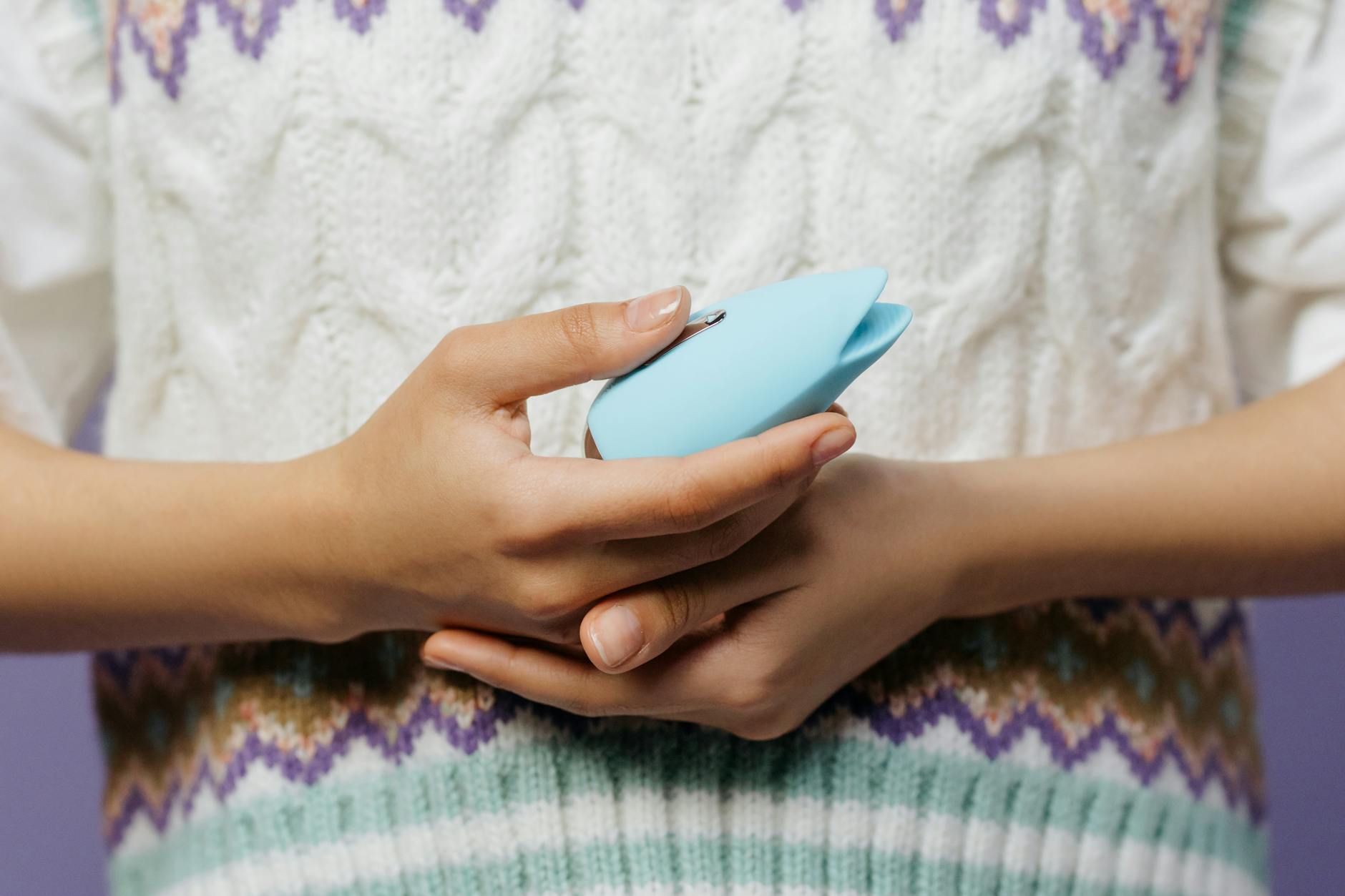
Lemon clitoral vibrators like the Lem are tools specifically designed for this moment. They work because they remove the performance dimension entirely. You're not with a partner. You're not on anyone's timeline. You're just exploring what your body actually wants.
Why avoidance locks pleasure away
Avoidance is protective. I say this as a therapist who's worked with hundreds of people rebuilding sexual confidence: avoidance makes sense. It's a reasonable response to feeling unsafe, pressured, or disconnected from your own desire.
But here's where it gets tricky. The longer you avoid, the more your brain starts linking sex with threat instead of pleasure. Your nervous system learns the pattern. Sex equals danger. So even when circumstances change, even when the pressure is gone, your body stays defended.
Physically, this shows up as tension. Your pelvic floor tightens preemptively. Arousal takes longer (if it comes at all). Sensation feels muted or confusing. Mentally, you might feel shame, resentment, or just blankness when sex enters the room.
This is not a desire problem. This is a nervous system problem dressed up as a desire problem.
Building safety first, pleasure second
The single most important thing you can do before picking up any toy is to establish that this time is yours and yours alone. Not for a partner. Not to "fix" anything. Just for exploration.
Set a time when you won't be interrupted. Lock the door. Turn your phone to silent. This isn't about creating some fancy ritual. It's about telling your nervous system: this is safe. We're not rushing. No one's watching. No one's judging.
Most people who've experienced sexual avoidance need 15-30 minutes just to settle. Your body won't move into pleasure mode if it's still scanning for threats. So step one is literally just being still. Breathing. Noticing what your body feels like when nothing's expected of it.
This is not skipping the toy. This is actually using the toy correctly.
Starting with sensation, not stimulation
When you first pick up a lemon sucker like the Lem, you're not plugging it in immediately. You're holding it. Feeling the weight. The texture. The temperature of the silicone.
This matters because avoidance often comes with body disconnection. You're used to leaving your body during sex. Using a toy means you have to stay present. And staying present when your nervous system expects to escape is hard work.
Turn the toy over. Touch it against your arm. Your inner wrist. The inside of your thigh. Let your body get used to it without any sexual pressure attached. No performance. No destination.
Now turn it on at the lowest setting. That's not an accident. Not only are lower intensity levels more comfortable for bodies returning to pleasure, they're also less overwhelming for a nervous system that's been in protection mode. Start at pattern 1 or 2. The Lem's gentlest patterns feel like a soft hum more than a buzz. That's intentional.
Moving toward pleasure without forcing it
When you're ready to move toward genital sensation, go slowly. And by slowly, I mean possibly slower than feels natural. Your nervous system has learned to rush sex or run from it. It doesn't have much practice with lingering.
Try this: hold the Lem against your inner thigh for 10 seconds, then rest. Notice what you feel. Temperature. Vibration. Muscle response. Then hold it again. Rest again. You're teaching your body that sensation can be gentle and safe.
Only when that feels comfortable, move toward the clitoris. Even then, not direct pressure initially. Try using it slightly off to the side. Over the hood of the clitoris. Anywhere except the most sensitive part. Your body will tell you when direct pressure is okay.
If you feel nothing, that's normal. Numbness is a common response after long avoidance. It doesn't mean anything is broken. It means your nervous system is still protecting you. Stay with it anyway. Your brain needs evidence that this is safe before sensation returns.
When discomfort arises, pause and assess
There's a difference between productive discomfort and harmful discomfort. Productive discomfort is your nervous system slowly adjusting to safety. It feels like slight tension, or an unfamiliar sensation, or just the weirdness of being present in your body after avoiding it.
Harmful discomfort is pain or panic. If either appears, stop. Put the toy down. Breathe. There's no prize for pushing through. You're building confidence, which means respecting your own boundaries.
After you stop, sit with what happened. Did something trigger a memory? Did your mind go to a place of shame? Did your body just say no? All of these are information. Write them down if that helps. Talk to a therapist if the panic feels big. This process isn't about ignoring resistance. It's about understanding it.
Building a sustainable solo practice
Once you've started exploring with your lemon clitoral vibrator, consistency matters more than duration. Twenty minutes once a week is better than a two-hour marathon once a month. Your nervous system learns through repetition that this activity is safe.
Create a routine if that helps. Same time, same place, same amount of privacy. Rituals signal safety to your brain. They say: this is a known thing, and it's always been okay.
Don't pressure yourself to orgasm. This is probably the most important guideline I give. If you're rebuilding confidence after avoidance, your brain is working hard just to stay present. Adding orgasm as a goal turns this into another performance metric. Instead, measure success by whether you could stay in your body for the full time. Whether you felt any sensation at all. Whether you did it without shame interrupting.
Orgasm will likely come back. But it's not the point right now. Confidence is.
Bringing this back to partnership (if that's in your future)
At some point, you might want to bring your partner back into the sexual picture. That conversation is separate from your solo practice. Don't collapse the two.
Your partner needs to understand that rebuilding takes time. They need to know what you're doing (using a toy to reconnect with pleasure) without needing to be present for it. They need to hear, directly, that this isn't about them. It's about you learning that your body is safe again.
If your partner gets defensive or demands access to this process, that's a sign the underlying issue isn't just avoidance. It's boundary erosion. How to Use Lemon Vibrators When You and Your Partner Disagree on Toy Boundaries covers this dynamic more deeply.
When you're ready to include them, you set the pace. You show them what you've learned about what feels good. You stay in charge of your own pleasure. A partner's role is to witness and support, not to direct.
When professional help matters
If avoidance comes from trauma, therapy helps. If it comes from a medical condition (vaginismus, vestibulodynia, or hormonal changes), your doctor helps. If it comes from years of pressure in a specific relationship, couples therapy helps. A lemon vibrator is a tool, not a substitute for professional support.
I recommend a sex therapist or somatic therapist if you can access one. They understand how trauma lives in the body. They won't push you to have sex. They'll help you understand why your nervous system created avoidance in the first place.
Using a clitoral vibrator alongside therapy is powerful. You're working on the nervous system reset in your own time, and working on the psychological roots with a professional. That combination moves people forward faster than either alone.
Confidence grows in small moments
Rebuilding sexual confidence after avoidance is not about one dramatic breakthrough. It's about proving to your nervous system, over and over, that pleasure is safe. That your body is yours. That you can be present without shame.
Every time you sit down with your Lem, you're not just using a toy. You're sending a message: I trust myself. I'm worth this time. My pleasure matters. Repeat that message enough times, and your body starts to believe it.
The confidence doesn't come from the vibrator. It comes from you, showing up for yourself, week after week, without pressure. The toy just makes that possible.
People also ask
How long does it usually take to rebuild sexual confidence after avoidance?
There's no standard timeline, but most people see shifts between 4-12 weeks of consistent solo practice. What you're looking for early on is not confidence in the traditional sense, but small changes: sensation returning, time spent without shame, your body feeling less defended. Confidence is the cumulative result of these small shifts, not a single moment when everything clicks. If you're not noticing anything after 12 weeks, that's when professional support becomes really valuable.
Can I use lemon vibrators while I'm still in a relationship with the person who created the avoidance?
Yes, but with caution. Solo pleasure is your private space for healing. That said, if the relationship itself is still pressuring you or violating your boundaries around sex, using a toy won't fix the relationship problem. You can use a lemon clitoral vibrator to rebuild your own sense of safety while also setting firmer boundaries with your partner. If your partner is controlling about your solo sexuality, that's a separate issue worth addressing in couples therapy or individual therapy before moving forward.
What if I feel nothing at all, even after trying multiple times?
Numbness after avoidance is real. Your nervous system numbed out sensation as part of its protective strategy. The good news: sensation returns. It doesn't come back on a schedule, though. Some people feel shifts in weeks. Others take months. Keep showing up. Keep using the toy at low intensity. Let your body know through repetition that this is safe. If numbness is paired with depression, anxiety, or medications that reduce sensation, talk to a doctor or therapist. You might need support on multiple fronts.
Should I tell my partner I'm using a lemon vibrator to rebuild confidence?
That depends on your relationship and your comfort level. If you have a partner you trust, telling them can be helpful. It manages expectations (you might not be interested in partnered sex for a while). It prevents secrecy that could damage trust later. It also helps them understand you're not avoiding them specifically, but rebuilding something for yourself. That said, you don't owe disclosure if you're in an unsafe relationship. If your partner would use this information against you, keep this practice private and consider whether the relationship is right for you.
Can lemon sexual toys make avoidance worse if I'm not ready?
Using a toy before your nervous system is ready can feel retraumatizing. That's why starting slow, with a low-intensity setting, and respecting resistance is crucial. The Lem's gentle patterns are designed for this reason. If you pick up a vibrator and immediately feel panic or flashbacks, stop. You probably need therapy first. Using a toy is a way of deepening work you're already doing, not a substitute for addressing the root of avoidance.
Is it normal to cry while using a lemon vibrator when rebuilding after avoidance?
Completely normal. Sometimes bodies release emotion when they finally feel safe. Crying, grief, anger, relief. These can all emerge as you reconnect with sensation and pleasure. Let it happen. This is your body processing what it needed to protect itself from. Have tissues nearby. Maybe light some candles. Give yourself permission to feel whatever comes up. That's part of rebuilding confidence. You're not just returning to pleasure. You're honoring what your body went through.
Rebuilding sexual confidence after avoidance is possible. It takes patience, consistency, and tools that let you explore at your own pace. Lemon adult toys are designed for exactly this work. Your body knows how to feel pleasure again. It's just going to take time, and proof, before it believes it's safe.