Let's name what's happening
Perimenopause is weird because it's not one thing. It's a decade-long transition where your hormones are erratic, your cycle might disappear for three months then show up again, and your body starts signaling "something's changing" in ways that feel increasingly unfamiliar. And yeah, pleasure gets complicated in the middle of it.
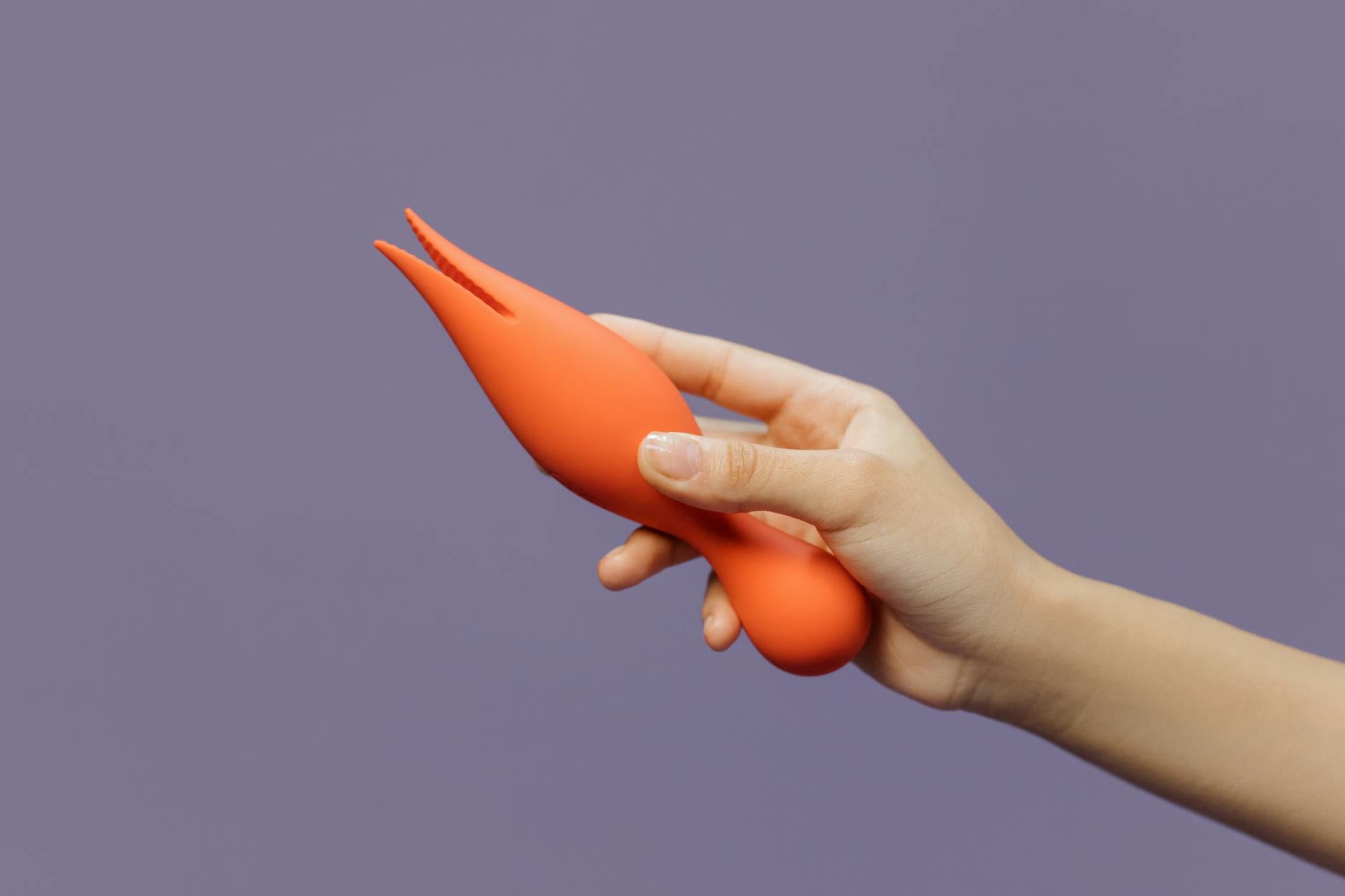
Here's what nobody tells you clearly: lemon vibrators, specifically models like the Lem with suction-based stimulation, often work better during perimenopause than they did before. Not because your body is broken. Because the way sensation works is changing, and this particular tool was designed with that shift in mind.
Why sensation feels different right now
Your estrogen is fluctuating wildly. Some weeks it's high, some weeks it's tanking, and your body doesn't know which version of itself it's being asked to inhabit. This affects three things directly: blood flow to the vulva, clitoral sensitivity, and how quickly arousal builds.
During perimenopause, you might notice that direct clitoral touch feels either numbed or hypersensitive depending on the day. Penetrative sensation might feel less satisfying. Orgasms might take longer to reach or feel less intense when they arrive. Some weeks you feel nothing. Other weeks you feel everything.
This isn't failure. This is your nervous system recalibrating.
Why lemon clitoral vibrators work during this transition
The suction-based stimulation that lemon vibrators provide works differently than traditional vibration. Instead of aggressive friction directly on the clitoral glans, suction creates a gentle pulse that stimulates the whole clitoral network. This matters during perimenopause for one specific reason: it doesn't require consistent sensitivity to feel good.
When your clitoral sensitivity is fluctuating, suction adapts. On hypersensitive days, you can use lower intensity settings and still get adequate stimulation. On numb days, the suction pattern actually draws sensation forward without requiring your tissue to do all the work.
The rhythm of lemon vibrators also tends to be gentler and more sustained than traditional wand vibrators, which works well when arousal is building slowly. You're not fighting against your body's pace. You're working with it.
The practical adjustments that help
Four specific changes I recommend to clients navigating pleasure during perimenopause:
1. Lengthen your warm-up window. Before, maybe 10 minutes of foreplay felt like plenty. Now budget 20-30 minutes. Use that time to check in with what your body actually wants today, not what it wanted last month. Blood flow during perimenopause is less predictable, and giving yourself permission for a slower build makes the difference between frustration and real pleasure.
2. Start with lower intensity. If you already own a lemon vibrator, resist the urge to jump straight to the setting that used to feel amazing. Begin at level 1 or 2, especially on days when sensation feels muted. Your nervous system will tell you when to increase intensity. Listening to that instead of fighting it changes everything.
3. Lubricate more generously than you think you need to. Perimenopause can reduce natural lubrication even on days when you're genuinely aroused. Using water-based lubricant isn't a sign something's wrong. It's meeting your body where it actually is right now. This matters with lemon vibrators because adequate slip makes the suction work more effectively.
4. Track what works by day. Write down one sentence after pleasure: sensitivity level that day, what intensity settings felt best, how long foreplay took, whether you orgasmed or not. After two cycles, you'll see your own pattern. Some people find they have high-sensation days mid-cycle and lower-sensation days before their period. Others have a completely different rhythm. Your data beats any general advice.
When pleasure timing shifts
A lot of people assume that if orgasm takes longer to arrive during perimenopause, something's gone wrong. It hasn't. Your nervous system is just slower to transition from everyday life into arousal.
This is where the design of lemon vibrators actually shines. The sustained pulsing pattern gives your brain time to settle in without the janky start-stop feeling of traditional vibrators. Many clients tell me that switching to a lemon clitoral vibrator during perimenopause made them enjoy the longer warm-up instead of resenting it. There's less pressure. More presence.
If you're with a partner, this is worth naming explicitly. "My pleasure is taking longer to build right now, and I want to spend time on that together." That conversation, more than any technique, transforms the experience from frustrating to intimate.
The hormone conversation with yourself
Some weeks during perimenopause, desire itself disappears. You're not interested. Your body feels like it belongs to someone else. This is normal physiology, not a warning sign.
Lemon vibrators can't fix hormone fluctuations, but they can help you stay connected to your own pleasure during the weeks when desire is present. The idea is consistency of exploration, not consistency of orgasm. Some weeks you'll have robust, intense orgasms. Other weeks you'll use a lemon vibrator and feel mild sensation. Both are fine. Both count.
The habit of returning to your body, even on weeks when your brain is screaming "not today," rewires your nervous system to stay open to pleasure. This is genuinely evidence-based. Regular pleasure practice during hormone transition helps regulate arousal response for the weeks ahead.
What to watch for
If sensation stops entirely for more than a few weeks, or if pain appears during use, check in with a doctor. Genitourinary syndrome (tissue thinning that can happen during perimenopause) is common and treatable. You're not broken. You might just need topical estrogen or a simple conversation with a menopause-informed practitioner.
Similarly, if you're experiencing hot flashes or night sweats severe enough that they're disrupting sleep, that's worth mentioning to your doctor alongside any pleasure changes. Sleep deprivation tanks desire on its own. Sometimes addressing one problem fixes the other.
The mindset shift that matters
Here's what I've learned from twenty years of working with people navigating major life transitions: the lemon vibrators that work best during perimenopause are the ones paired with radical acceptance of your current body, not resistance to it.
You're not trying to get back to how pleasure felt at 28. You're discovering how it feels at 42 or 48 or 52. That's a completely different project. And honestly? Lots of people find that pleasure during this phase is more focused, less anxious, and weirdly more satisfying. The orgasms might be less frequent, but they're often deeper.
Lemon clitoral vibrators work because they don't demand a specific kind of response from your body. They offer stimulation. Your body decides what to do with it. That's collaborative design, and it's exactly what perimenopause requires.
FAQ: Lemon Vibrators and Perimenopause
Can I use my regular lemon vibrator during perimenopause or do I need something different?
You don't need anything different. If you already own a lemon clitoral vibrator, keep using it. The technology doesn't change. What changes is how you use it: lower starting intensity, longer warm-up time, more generous lubrication. If you're just starting out and you're in perimenopause, a lemon vibrator is actually an excellent choice because the suction design is forgiving when sensation fluctuates.
Why does my lemon vibrator feel intense some days and barely noticeable other days?
Hormone fluctuations directly affect clitoral blood flow and nerve sensitivity. On days when estrogen is dropping, tissues are less engorged and sensation dampens. On days when estrogen is higher, the same vibrator feels stronger. This is completely normal and happens to most people during perimenopause. Tracking your cycle (if you still have one) and your sensation levels together often reveals a clear pattern you can anticipate.
Is it normal for orgasms to take longer or feel less intense with a lemon vibrator during perimenopause?
Completely normal. Orgasm speed and intensity depend on blood flow, nervous system response, and hormone levels, all of which are in flux during perimenopause. Some people actually report stronger orgasms during this phase because they're less anxious and more focused. Others experience milder responses. Both are valid. The goal isn't intensity consistency. It's reconnection with pleasure, whatever form that takes.
Should I use more lubricant with my lemon vibrator when I'm in perimenopause?
Yes. Perimenopause can reduce natural lubrication even when you're genuinely aroused. Water-based lube isn't a sign of dysfunction. It helps the suction mechanism of your lemon vibrator work more effectively and makes the whole experience more comfortable. More lube is almost never a problem with lemon vibrators.
Can I use a lemon vibrator if I'm experiencing hot flashes or other perimenopause symptoms?
Yes. Using a lemon vibrator won't trigger hot flashes or make them worse. If anything, the relaxation response from pleasure can help regulate nervous system activation in the short term. The main thing is making sure you're comfortable temperature-wise during the experience. Some people keep a cool towel nearby. Do whatever helps your body feel grounded.
If I want to explore lemon vibrators for the first time during perimenopause, what should I know?
Start with lower intensity settings and give yourself permission for a longer, gentler exploration. Read the settings your device offers and begin at level 1 or 2, even if you think you want more stimulation. Your body during perimenopause might surprise you with what actually feels good. Have water-based lube on hand. Expect to spend more time warming up than you might have pre-perimenopause. And know that some days will feel amazing and other days will feel meh. That variability is the transition, not failure.