Let's be real about what birth control does to desire
Hormonal birth control doesn't just prevent pregnancy. It rewires your arousal system, flattens your libido, and then leaves you wondering why sex feels like a chore you're supposed to remember you liked. When you stop taking it, your brain doesn't immediately flip back to baseline. Recovery takes time, patience, and sometimes the right tool to help you reconnect.
If you've recently changed birth control methods, stopped hormonal contraception entirely, or switched from hormonal to non-hormonal options, this post is for you. We're going to walk through what's actually happening in your body and how lemon vibrators and other clitoral vibrators can be part of finding your way back to desire.
What birth control actually does to arousal
Hormonal contraception works by suppressing the hormonal fluctuations that trigger ovulation. But here's the part nobody explains clearly. Those same fluctuations are what trigger arousal. Testosterone spikes around ovulation. Estrogen rises and falls in patterns that affect blood flow, sensitivity, and neural responsiveness. Birth control flattens all of that.
The result? Lower baseline desire, muted physical response, difficulty reaching orgasm, and a weird emotional distance from sex itself. Some people describe it as feeling anesthetized. Others say they stopped thinking about sex entirely. Both are normal. Both are chemical, not psychological.
When you stop hormonal birth control, your body doesn't immediately remember how to be aroused. Your receptors are still recalibrating. Your neurotransmitters need time to rebalance. Dopamine and norepinephrine, which fuel desire, take weeks or months to reach their pre-contraception baseline.
Why desire feels slow to return
There are usually three layers happening at once after you stop birth control.
The physiological layer. Hormones are resetting. This is measurable and takes about 3 to 6 months for most people, though some notice changes within weeks. Your clitoris is becoming more sensitive. Blood flow is returning. Neural pathways for arousal are reactivating.
The psychological layer. You spent months or years on a contraceptive that dulled your desire. That experience becomes your baseline. Your brain may have learned that sex is supposed to feel muted. Relearning that pleasure is supposed to feel intense takes active recalibration, not just time.
The relational layer. If you're in a partnership, your partner may have adjusted to a lower-desire version of you. Both of you might need to renegotiate expectations and make space for something different to emerge.
Focusing only on the first layer misses the actual work. The body responds to pleasure faster when the mind is engaged and willing to be surprised.
Why lemon clitoral vibrators work during this transition
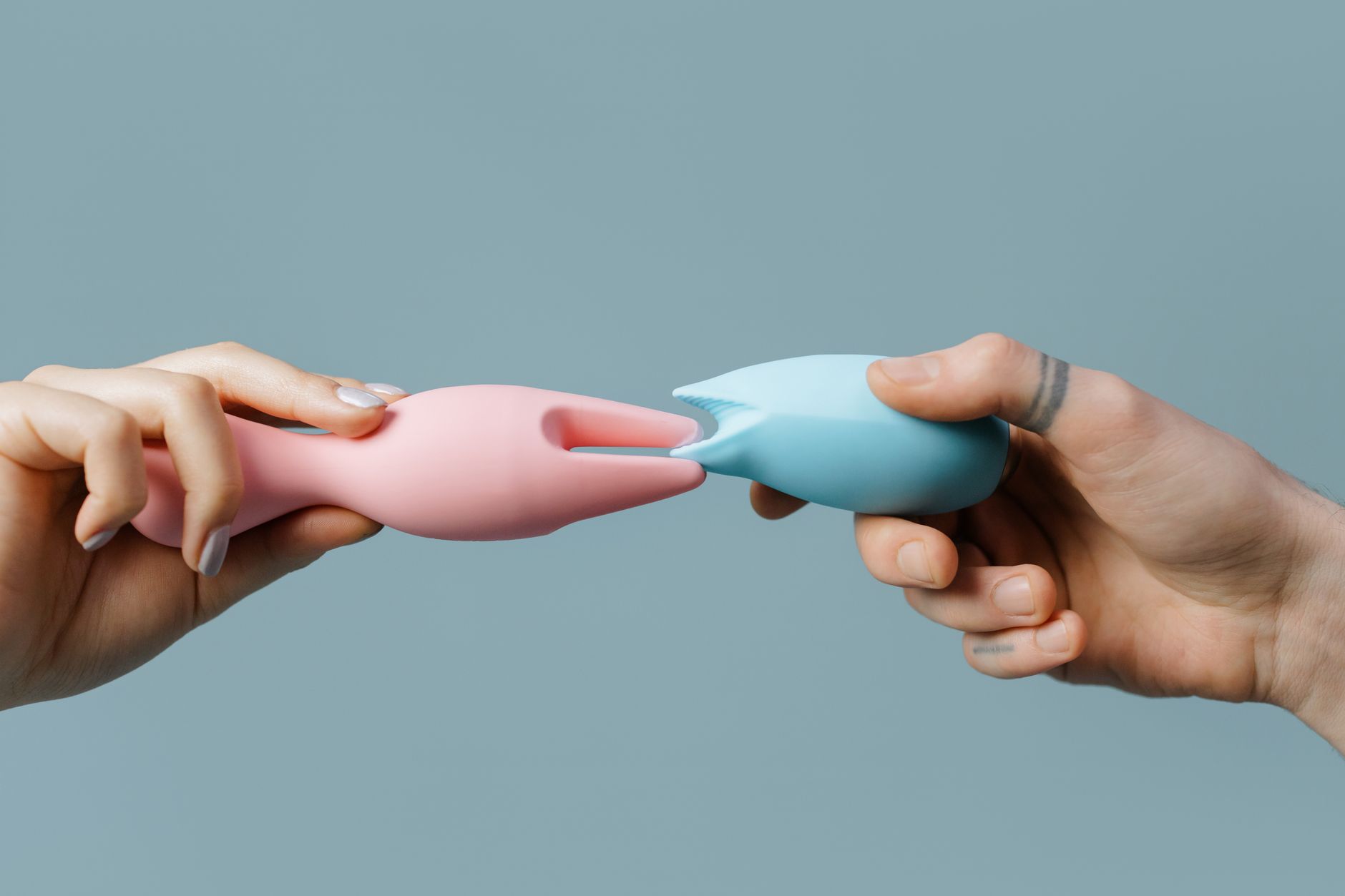
Lemon vibrators, especially models like The Lem, use suction and pulsation rather than direct vibration. This matters when you're rebuilding arousal sensitivity.
After months on hormonal contraception, direct clitoral stimulation can feel overwhelming or even slightly numb. Suction-based lemon adult toys create a gentler, more diffuse sensation that stimulates without aggressive pressure. You're not fighting against numbness. You're waking up sensation gradually.
The pulsing patterns also matter. Instead of constant vibration, you get rhythm. Rhythm is what your nervous system actually recognizes as arousing. It's similar to how a heartbeat is more compelling than white noise. Your brain registers pulsation as something happening, not just something touching you.
Many people also report that the warmth and shape of silicone lemon vibrators feels psychologically safer during vulnerable transitions. Rebuilding desire means being willing to feel something again. A toy that's visually different from clinical sex toys can make that permission easier to give yourself.
How to use lemon sexual toys when desire feels absent
Here's the tactical part. If you're using lemon vibrators to recover libido after stopping birth control, the process is less about achieving orgasm and more about waking up sensation.
Start with exploration, not expectation. Spend time with the toy in low-pressure situations. Solo time is ideal because you're not managing anyone else's expectations or timeline. Use The Lem on different patterns and intensity levels without the goal of orgasm. You're gathering data about what feels good now, not what used to feel good.
Use longer warm-up time. Your body needs permission to respond. Fifteen to twenty minutes of gentle touch, teasing, breathing, and mental engagement before you introduce the toy. This isn't foreplay in the traditional sense. It's creating safety for your nervous system to downregulate from fight-or-flight into parasympathetic activation.
Layer sensation. Don't jump to intensity level 5. Start with pattern 1 or 2. Let your clitoris remember how to respond before you demand more. Each session, try one intensity level up, but only if the previous level felt pleasurable. If it felt numb, stay there until something shifts.
Track what works. Keep a simple note of which patterns feel best, which times of day you notice more sensitivity, whether you feel more responsive at certain points in your cycle. You're rebuilding your own arousal map. Information helps.
What partners should know when desire is returning
If you're in a relationship and rebuilding desire after stopping birth control, communication is everything. Your partner needs to understand this isn't about them. It's neurochemistry recalibrating.
That said, partners can actually help. If they understand that desire is slower to spark right now, they can avoid the trap of initiating too directly and creating pressure. They can also frame the introduction of lemon vibrators not as a replacement but as a shared experience. Some couples use this time to explore together, with the toy as something new for both of them.
The most important conversation is this one. "I'm rebuilding my relationship with pleasure. It's not about you. It's about me relearning what feels good. I might need more time, different kinds of touch, or to use toys. None of that means I'm not interested in you." That clarity prevents resentment from building on either side.
When to expect changes and when to see a provider
Most people notice the beginning of desire returning within 4 to 8 weeks of stopping hormonal birth control. It's not usually a dramatic switch. It's subtle. A thought about sex crossing your mind unexpectedly. A moment of actual interest instead of obligation. Your clitoris feeling responsive when it hadn't before.
If 12 weeks have passed and you feel no shift at all, or if you feel persistently depressed or anxious, talk to your GP. Some people experience post-birth-control syndrome, a constellation of hormonal symptoms that warrant investigation. Thyroid function, cortisol levels, and nutrient deficiencies can all suppress desire. These are fixable with the right testing and support.
Also, if you switched to a different birth control method rather than stopping entirely, the timeline is different. Some methods take longer to suppress libido, and some preserve desire better than others. If your new method is still flattening your drive, that's worth discussing with your provider. Not all contraception is equivalent for every person.
Why this matters beyond just sex
Desire isn't a frivolous thing. It's one of the primary ways your body communicates what it needs and what feels good. When birth control silences that signal, it's not just about sex. It affects your sense of agency, your relationship with your body, and your baseline mood.
Recovering desire after stopping birth control is part of reclaiming embodiment. Using tools like lemon clitoral vibrators when you struggle with inconsistent arousal gives you active permission to learn yourself again. You're not waiting for desire to return. You're actively reconstructing your capacity for it.
That's the difference between recovery and reclamation. Recovery is passive. Reclamation is you, intentionally, telling your body that pleasure matters and you're going to do the work to make space for it.
FAQ: Questions about birth control, libido, and lemon vibrators
How long does it actually take to feel desire again after stopping hormonal birth control?
Everyone is different, but most people notice some shift within 4 to 8 weeks. Full recalibration of your arousal system typically takes 3 to 6 months. Some people notice changes in weeks. Others take longer. Track your own baseline rather than comparing to anyone else's timeline. Your nervous system operates on its own schedule.
Can lemon vibrators help if I still feel completely numb down there after stopping birth control?
Yes, but with patience. Numbness after hormonal contraception is real and common. Start with the gentlest settings on lemon adult toys and focus on exploration rather than orgasm. You're waking up sensation, not demanding a response. Spend time noticing texture, temperature, and pattern changes. That attention alone can help restore sensitivity faster than pushing for intensity.
Is it normal to feel anxious or depressed when recovering desire after birth control?
Mood changes after stopping birth control are common and often go unacknowledged. Some of that is hormonal rebalancing. Some is the psychological experience of reconnecting with a body that felt foreign while on contraception. If anxiety or depression persists beyond 12 weeks or feels severe, check in with a therapist or your GP. You may need additional support.
Can I use lemon vibrators if I'm still on birth control but want to increase arousal?
Yes. The tool itself works regardless of your contraceptive method. That said, if you're on hormonal birth control and struggling with low libido, the real issue is usually the contraceptive itself. Tools can help, but changing your method may be more effective. Talk to your provider about options that preserve desire.
Do I have to use toys alone, or can my partner be involved?
Both are valid. Solo exploration lets you rebuild your own arousal map without managing anyone else's expectations. Partnered exploration can deepen intimacy and communication around desire. Some people alternate between both. Start with what feels safest and most authentic to you.
What if my partner is threatened by the idea of me using lemon vibrators?
This is worth addressing directly. How to introduce lemon vibrators to skeptical partners explores this in depth. The short version: frame it as something that helps you feel better in your body and potentially more interested in sex, not as a replacement for partnership. If your partner can't move past threat after honest conversation, that's a relational issue worth exploring with a couples therapist.
The real timeline
Let's be clear. Recovering desire after birth control isn't an emergency. You haven't broken anything. Your body is doing exactly what it should do chemically. But that doesn't mean you have to passively wait for your libido to come back on its own schedule. Using lemon vibrators and other clitoral vibrators is an active choice to engage with your own pleasure. To tell yourself that waking up sensation matters. To reclaim a part of yourself that got quieted.
That's worth doing, whether it takes weeks or months. Your pleasure is worth that investment.
Want to talk through your specific situation? Get in touch with our team. We're here to answer questions about finding the right tool for your body and your transition.