Lemon vibrators hit different after 40, and that's the good news
Let's be real: something shifts in your 40s. Not your capacity for pleasure. Your relationship with intensity itself. You might notice that the settings that felt transcendent at 32 now feel like overkill. Or maybe the opposite. Your body's wiring doesn't change overnight, but your nervous system's relationship to stimulation does, and understanding why makes all the difference between feeling broken and feeling exactly right.
I work with plenty of people who hit their 40s and assume their best years for pleasure are behind them. That assumption sits somewhere between completely wrong and wildly incomplete. Your body isn't declining. It's evolving.
What actually happens to sensation in your 40s
Your skin gets thicker in some places and thinner in others, depending on hormones, stress, and a bunch of other factors. The clitoral tissue stays remarkably responsive, but the surrounding structures change slightly. Blood flow patterns shift. Recovery between stimulation cycles gets faster for some people, slower for others. These are small changes, but small changes in a system as sensitive as your clitoris register as big differences in how orgasms feel.
Here's what doesn't change: nerve density. Your clitoris doesn't lose sensation. It's the same sensitive powerhouse it always was.
What does shift is context. At 40, you've typically had two decades of experience with your body. You know what you like. The guessing game is over. Most people find that knowledge translates into intensity that's sharper, more targeted, and honestly more reliable than anything they had access to in their 20s.
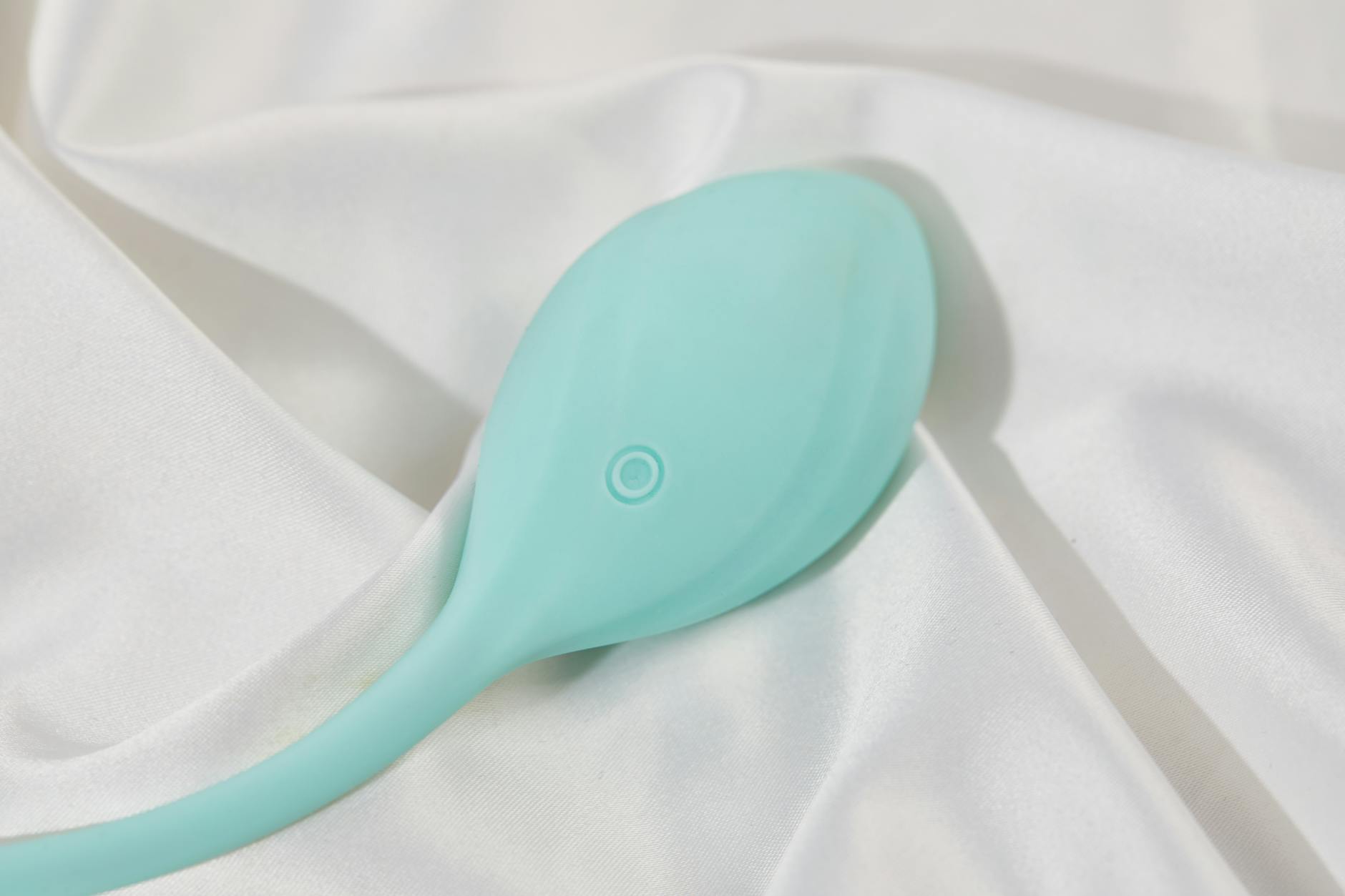
 Photo by Frank Schrader on Pexels
Why lemon clitoral vibrators work so well for bodies in transition
Lemon vibrators, particularly suction-style toys like the Lem, operate completely differently than traditional vibrators. Instead of relying on rapid vibration frequency, they use gentle suction that mimics oral stimulation. This matters in your 40s because it means intensity isn't about amplitude. It's about precision.
A traditional vibrator might feel sharp or overstimulating if your clitoral tissue has become more sensitive (which happens for some people). A lemon sucker, by contrast, distributes stimulation across a wider surface area while building sensation gradually. You can start at pattern one and barely feel anything beyond a gentle pulse. By pattern four, you're getting something closer to consistent pressure.
This variable intensity range is crucial. You're not locked into "all the way on" or "nothing." You're working with subtle gradients.
Many people in their 40s also report that sensation feels less focused with traditional vibrators. Your attention fragments. With a suction toy, the opposite happens. The stimulation feels broader but somehow more coordinated, like it's addressing the whole region instead of just one concentrated point.
How arousal timing changes and what that means
At 40, arousal doesn't work like it did at 25. You're not going from 0 to 100 in eight seconds. Instead, you're entering a phase where arousal is more stable but slower to build. That sounds like a loss until you experience it. Slower arousal means you stay aroused longer. You can maintain that edge for 10, 15, 20 minutes without tipping into exhaustion.
This is exactly why lemon adult toys with multiple patterns work so well. You're not looking for the fastest route to orgasm anymore. You're exploring sustained sensation. You set a pattern, stay with it, let your nervous system settle in. Then adjust.
Your 40s are often when people discover that they actually prefer longer sessions. The quality of the experience matters more than the speed. This is partly physiology and partly permission. You're less interested in performance. You're more interested in feeling good.
What changes with partner involvement
If you're partnered, your 40s often bring a weird gift: your partner has probably also changed. They're less focused on speed. They understand that quality takes time. The dynamics that felt obligatory at 30 (quick foreplay, immediate penetration, speed as the marker of success) stop being the default.
This opens space for conversation. You can actually say "I want to spend 20 minutes just with this toy while you hold me" or "I want to try this pattern and see what happens." In healthier partnerships, your 40s are when you finally get to say the thing you've been thinking for 15 years.
If you're solo, your 40s are pure freedom. You know exactly what works. You can invest in better toys without needing anyone else's opinion or permission. You can experiment with lemon vibrators or any other tool purely because you want to.
The mental piece that matters more than you think
Honestly, the biggest shift in your 40s isn't physical. It's mental. You care less about the story you're supposed to be telling. You're less worried about taking too long. You're less invested in what you're supposed to find hot.
This mental clarity directly affects physical sensation. Anxiety constricts blood flow and numbs nerve endings. It's physiological, not psychological. When that anxiety loosens in your 40s, everything changes.
I've worked with people who suddenly became orgasmic in their 40s after not being able to for years, not because their body changed so much as because they finally gave themselves permission to take the time it actually took. That permission is the most valuable tool you can access.
When to upgrade your approach
If you've been using the same vibrator for five years, your 40s are a perfect moment to reassess. You might discover that what worked at 35 feels either too intense or not intense enough. This isn't failure. It's information.
Trying a different style, like a lemon suction vibrator if you've been using traditional vibrators, can feel like you're accessing your body for the first time in years. You're not starting over. You're iterating. You already know what feels good. Now you're finding new dimensions of that sensation.
Common changes and what to expect
Some people notice that their clitoris feels slightly less sensitive to sustained vibration. That's a sign that a wider, gentler stimulation pattern (like suction) might work better. Some experience increased sensitivity in the surrounding vulval tissue. That's a cue to experiment with lower intensities or different toy shapes.
Orgasms might feel different in shape. Broader, slower waves instead of sharp peaks. More full-body involvement instead of localized sensation. Neither is better. They're just different iterations of pleasure that your body is now capable of.
Recovery is often faster in your 40s. You can usually have multiple orgasms more easily than you could in your 20s, if you want them. This is partly because you're less exhausted by performance anxiety.
Setting yourself up for the best experience
Three things that genuinely matter in your 40s: time, comfort, and the right toy. You need enough time to actually feel what's happening. You need to be physically comfortable, which might mean you need better lighting, a wedge pillow, or lubricant that works with your body right now. And you need a tool that meets your body where it is.
If you've never tried lemon sexual toys, your 40s are the moment to experiment. The gentleness of suction stimulation paired with your deeper self-knowledge makes for something genuinely new.
FAQ
Does sensation actually decrease after 40?
No, but it changes. Clitoral nerve density stays constant. What shifts is how your nervous system processes stimulation and how hormones affect blood flow. Many people report sensation feeling more refined and intense, not less. You're working with better information about your body, which makes pleasure sharper.
Why do lemon vibrators feel different than regular vibrators?
Lemon clitoral vibrators use suction instead of rapid vibration, creating broader, gentler stimulation that builds gradually. This works particularly well for bodies in their 40s because it distributes intensity and allows for sustained arousal rather than quick peaks. You control the intensity through patterns, not frequency.
Is it normal for orgasms to feel different after 40?
Completely. Changes in hormone levels, muscle tone, and nervous system sensitivity shift how orgasms feel. Broader waves, longer duration, or deeper sensation are all normal. This isn't decline. It's evolution. Many people prefer how they feel after 40.
Do I need lube more in my 40s?
Sometimes. Some people experience changes in natural lubrication due to hormonal shifts. If your body needs extra lubrication, water-based lube is your friend. It's not a sign of anything wrong. It's just information about what your body needs right now.
Can I still have intense orgasms at 40 and beyond?
Absolutely. The quality of orgasms often improves because you have better body awareness and less performance anxiety. Intensity isn't just about physical sensation. It's about being fully present, which you're usually much better at in your 40s.
Should I try a new toy if my current one still works?
If you're curious, yes. Not because something is wrong, but because bodies change and different toys offer different types of stimulation. Trying a lemon vibrator alongside your current toy isn't replacing anything. It's expanding your options and deepening your understanding of what your body actually wants right now.
The real shift happening at 40
Your body in your 40s isn't broken. It's honest. It won't pretend to enjoy something anymore. It demands better attention, better tools, and better presence. That's not a limitation. That's a superpower. You get to design pleasure exactly the way you want it, with toys that actually work for how you are now, not how you were at 25. That's the real gift of this decade.
If you're curious about exploring different tools, Hello Nancy exists exactly for this phase of your life. Our lemon adult toys are designed for exactly this conversation: how to find pleasure that matches your body right now, not some outdated version of it.