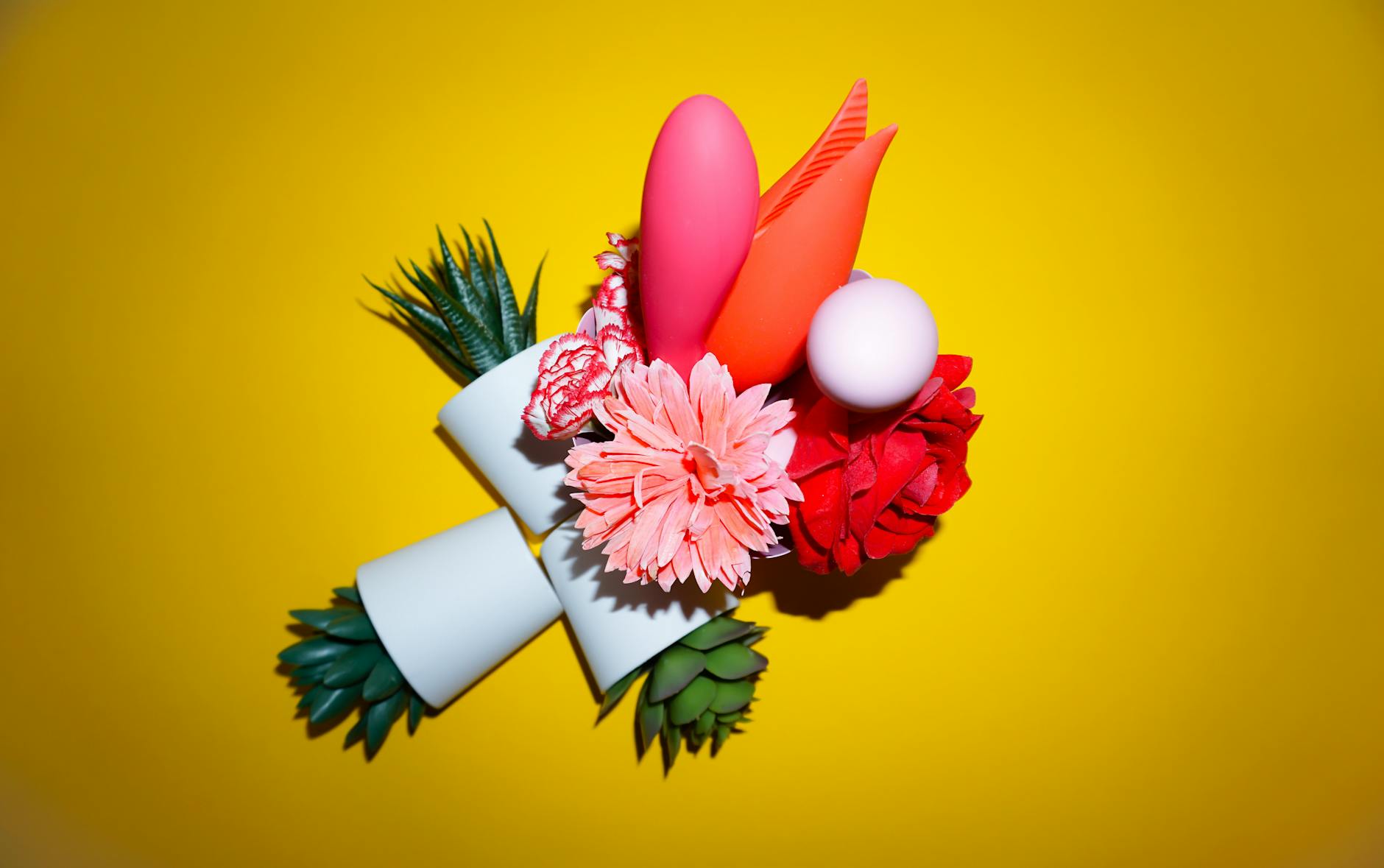
Let's talk about why the wrong toy can make everything worse
If you've ever felt like a vibrator was too intense, too numb-making, or just didn't hit the way you expected, you're not alone. The problem usually isn't your body. It's the tool.
Most traditional vibrators use direct mechanical vibration. That means a motor spinning or buzzing against tissue, which works brilliantly for some people and feels janky or overstimulating for others. Lemon clitoral vibrators use something completely different. They use air-pulse suction. And if you've got sensitive tissue, nerve endings that need a lighter touch, or you've ever felt desensitized by friction, this distinction changes everything.
How traditional vibration actually works against sensitive tissue
When a motor vibrates directly against delicate skin, a few things happen. First, the repetitive friction can numb sensation over time. Your nerves adapt. The stimulation that felt incredible for the first minute starts feeling like background noise by minute five. Second, direct mechanical vibration can create micro-tears in thin or sensitive tissue, especially if you're using the toy for longer sessions. That's not dangerous, but it's uncomfortable and makes you less likely to go deeper into pleasure. Third, traditional vibrators give you an all-or-nothing intensity curve. Settings 1 through 3 are still pretty intense. There's no real gradation for people who need a gentler entry point.
The clitoral tissue itself is wildly sensitive. The clitoris has roughly 8,000 nerve endings concentrated in a small surface area. That density is incredible for pleasure, but it also means you don't need a lot of stimulation to feel a lot. Traditional vibrators were designed assuming you wanted maximum intensity. Lemon clitoral vibrators assume the opposite. They assume you want precision, control, and a ramp that actually starts low.
Why suction works better than friction for sensitive nerves
Here's the mechanical difference. Air-pulse suction (the technology lemon vibrators use) doesn't vibrate. It pulses air rhythmically over the tissue. This creates a gentle vacuum and release cycle. The suction stimulates the nerves without the friction.
Why does that matter? Because suction works on a completely different neural pathway than friction does. Friction triggers rapid-fire nerve endings that can fatigue. Suction creates a sustained, almost massaging sensation that builds gradually. Think of the difference between someone poking your arm repeatedly versus gently squeezing it. Same tissue, totally different nerve response.
Second, suction is self-regulating. You press the toy lightly against your skin, and the suction intensity depends on how much contact you're making. You have constant control. With a vibrator, the intensity is locked to the motor setting. With a lemon clitoral vibrator, you're actually adjusting intensity by moving the toy slightly. That means you can stay in the exact sweet spot without overstimulation.
Third, suction creates a seal. That seal means the stimulation is concentrated and consistent. There's no buzz leakage, no vibration traveling up into your hand or arm (which is oddly numbing). Everything is focused where you want it.
The difference in sensation: why it feels better
Let me be specific about what lemon vibrators feel like compared to traditional vibration.
Traditional vibrators feel buzzy. There's texture to the sensation. You feel the motor. With a lemon clitoral vibrator, the sensation is smoother. More like a gentle pulsing that builds. The first few pulses feel light. Then your body starts responding. Then the response gets deeper. There's this natural ramp that feels less like stimulation and more like your body waking up.
That matters for a few reasons. First, it's easier to stay present. You're not bracing against intensity. You're inviting sensation. Second, it creates a different kind of orgasm. Vibration orgasms tend to be sharp and quick. Suction-based orgasms tend to be longer, with more of a rolling quality. That's not universally better, but for people with sensitive tissue, it feels less jarring. Your body isn't forced over a threshold. You float across it.
Third, sensitivity doesn't decline as quickly. Because suction isn't creating friction, your nerve endings don't fatigue. You can have longer sessions without that weird sensation of going numb and then needing a break.
When sensitive tissue is actually at play
Sensitive clitoral tissue shows up in a few contexts. Sometimes you're just naturally more sensitive. Some people have less keratinization (protective outer layer) on their clitoris. Some have higher nerve density. That's genetic and normal.
Sometimes sensitivity increases during specific phases of your cycle. Right before menstruation, the clitoral tissue can swell slightly and feel more tender. During ovulation, sensitivity might actually decrease. If you notice your favorite vibrator feeling too intense at certain times, that's your cycle, not the toy. Knowing this helps you switch tools strategically or adjust how you use what you have.
Sensitivity also changes after childbirth, during hormonal shifts, or after using numbing creams or desensitizing lubes too often. If you've been using traditional vibrators for years and feel like nothing works anymore, it might not be psychological. Your tissue might actually need a different stimulus.
And sometimes sensitivity is just temperament. You like gentler touch. You prefer slow buildups. You want precision over power. That's not a problem. It's actually a valuable piece of self-knowledge. A lemon clitoral vibrator is designed for exactly that preference.
Lemon vibrators and the role of design
What makes a lemon clitoral vibrator different from other air-pulse toys comes down to the head design and the pulse pattern. Lemon toys like the Lemon Clitoral Vibrator are engineered with a wider contact surface, which distributes pressure and prevents that point-specific intensity that can feel uncomfortable. The suction is also adjustable through multiple intensity levels. You're not choosing between "on" and "intense." You're choosing between subtle, medium, and strong.
The lemon sucker design itself is key. The rounded, smooth head is meant to create an even seal against tissue. It doesn't have ridges or texture that could cause friction. The opening is engineered to pulse efficiently without creating pain or discomfort.
Material matters too. Lemon vibrators are typically made from medical-grade silicone, which is non-porous and smooth. That means less friction, easier cleaning, and no degradation over time from lubricant or moisture. You're not working with a toy that gets stickier or rougher as it ages.
Practical strategies for using lemon vibrators on sensitive tissue
If you're new to air-pulse toys, start at setting 1 or 2. The first time you use a lemon clitoral vibrator, you might be surprised by how gentle it feels. That's the point. You want to feel the rhythm, not be overwhelmed by intensity. Build from there.
Use a water-based lubricant. Even though lemon vibrators work without lube better than traditional vibrators do, a small amount of lube smooths out the seal and makes everything feel more luxurious. You're not trying to add friction. You're helping the suction work optimally.
Angle matters. The clitoris isn't a flat surface. It has depth. Experiment with tilting the toy slightly. You might find that a 45-degree angle feels completely different from direct-on contact. For sensitive tissue, often a slight angle feels better than full-on pressure.
Variation is your friend. Switch between pulse patterns if your toy has multiple settings. If it doesn't, try moving the toy in small circles. This prevents the numbness that comes from static friction and keeps your nerves engaged.
FAQ: Questions about lemon vibrators and sensitive tissue
Can lemon vibrators be too gentle?
No. You can always increase intensity, and the suction adjusts naturally as you press firmer. If you're concerned about not feeling enough, start with a slightly higher setting than you think you need. You can always turn it down.
Do lemon clitoral vibrators work for everyone with sensitive tissue?
Most people find them gentler than traditional vibrators, but sensation is individual. If you've never tried an air-pulse toy, this is worth experimenting with. You might discover it's the format you've been missing all along.
How long can I use a lemon vibrator without getting numb?
Because suction doesn't create friction, fatigue is less common. Most people can use a lemon clitoral vibrator for 20 to 40 minutes without numbness. If you do feel sensitivity declining, switch to a lower intensity or take a short break. Your tissue will recover quickly.
Is the suction uncomfortable if I have vaginismus or trauma?
Suction feels different from penetration-based stimulation, and many people with vaginismus find it more approachable than other toys. That said, comfort is individual. If you have trauma or a medical condition affecting sensation, talk to a therapist or gynecologist first. A lemon vibrator might be exactly what works for you, but personal guidance helps.
Can I use a lemon sucker vibrator during my period?
Absolutely. Suction is gentler and doesn't disrupt the menstrual flow the way some other toys might. Some people find pleasure feels even more intense during menstruation because blood flow naturally increases sensation. Use a cup or disk if you want to reduce mess.
What's the difference between a lemon vibrator and a clitoral vibrator?
Lemon vibrators are a specific category of air-pulse clitoral vibrators designed for suction-based stimulation. Not all clitoral vibrators use suction. Traditional clitoral vibrators use direct vibration. If you're shopping, look for "air-pulse," "suction," or "lemon technology" in the description. That tells you exactly what you're getting.
The bottom line
Sensitive tissue isn't a limitation. It's data. It tells you that you benefit from precision, control, and a tool that works with your nerve physiology instead of against it. A lemon clitoral vibrator is engineered exactly for that sensitivity. If traditional vibrators have felt too intense, too numb-making, or just not quite right, this might be the format that changes your entire experience.
Want a deeper dive into which lemon vibrator might suit your body and preferences? Start with our buying guide, which walks through every format and intensity level we offer. And if you have questions about what might work for your specific situation, reach out. That's what we're here for.