Here's the thing nobody mentions
Antidepressants work. They genuinely save lives by balancing serotonin and giving people room to breathe, to think clearly, to exist without the weight. But somewhere between the pharmacy and the bedroom, nobody sits down and explains what happens to pleasure.
You start SSRIs or other antidepressants for your mental health. Three weeks in, you notice arousal takes longer. Orgasms feel muted or don't arrive at all. Sensation is duller. And then comes the voice in your head: "Is this the trade-off? Mental health or pleasure?" The answer is no. The actual answer is more nuanced, and way more helpful.
What antidepressants actually do to your body
SSRIs, SNRIs, tricyclics, and other antidepressants work primarily on neurotransmitters. Serotonin, dopamine, norepinephrine. These same chemicals are involved in arousal, orgasm, and sensation. When the medication recalibrates these pathways for your brain, your body's pleasure circuits shift too.
The most common changes are these.
Delayed arousal. You need more time and more direct stimulation to get turned on. This isn't laziness or lost desire. It's a neurochemical fact. The sensory signals that used to trigger immediate response now need more reinforcement to land.
Blunted sensation. Pleasure doesn't feel as sharp or as intense. You might feel the touch, but it's muffled, like experiencing something through fabric instead of skin to skin.
Difficulty with orgasm. Some people experience delayed orgasm. Others find it's possible but requires different patterns of stimulation. A small percentage lose the ability to orgasm on their current medication, which is the hardest outcome and one worth discussing with a doctor.
Vaginal dryness or reduced lubrication. Some antidepressants compound the effect by affecting fluid production.
Here's what doesn't change: your capacity to feel pleasure, your desire for intimacy, your worth or sexual identity. The hardware is fine. The software is recalibrated.
Why lemon vibrators specifically help
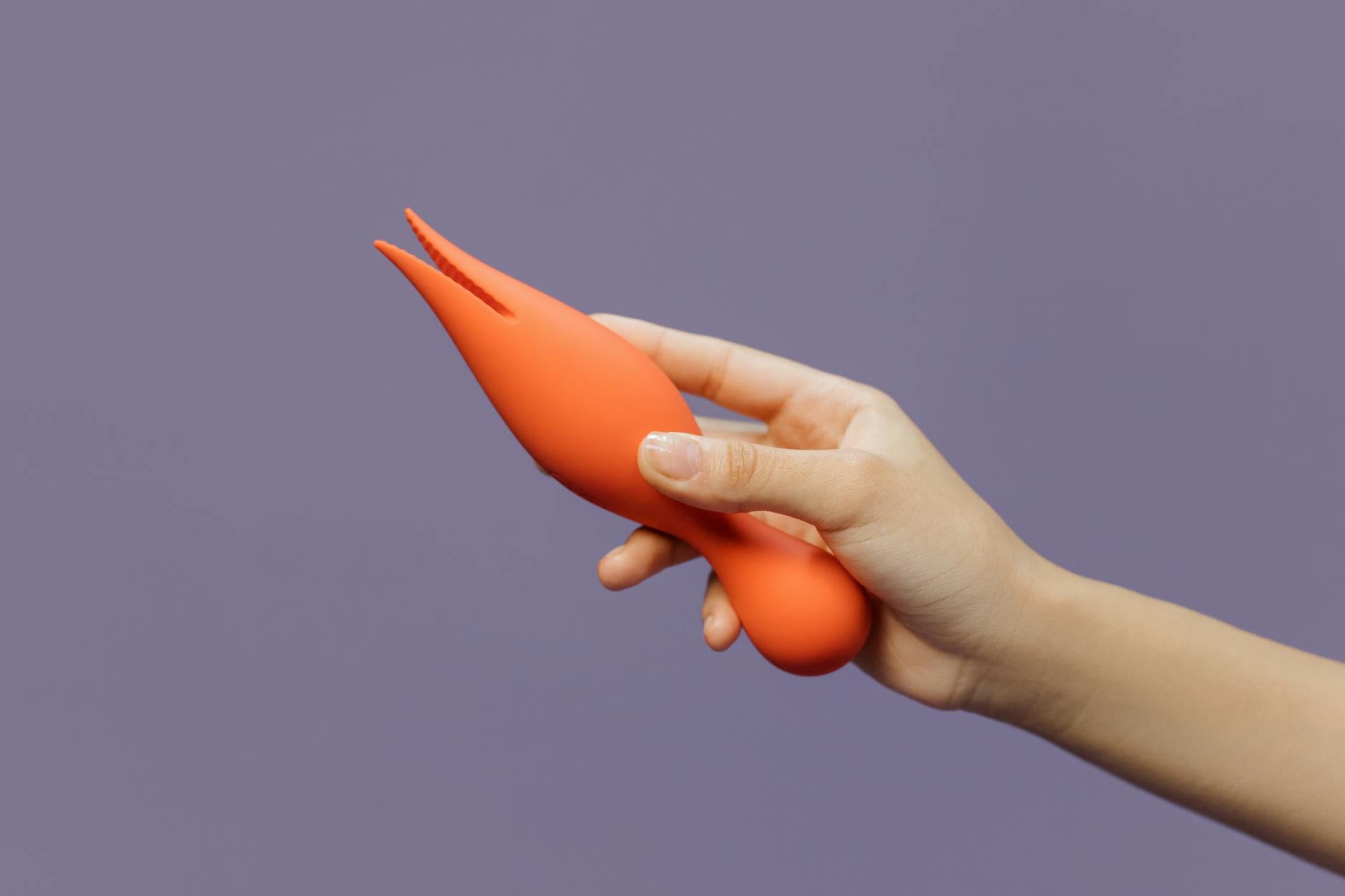
A lemon clitoral vibrator uses suction and pulsation to stimulate the clitoris. This matters for people on antidepressants because suction works differently than traditional vibration.
Traditional wand vibrators send waves through the tissue. That works beautifully when sensation is sharp. But when antidepressants have dulled your nerve response, waves feel like gentle hums. Suction, on the other hand, creates intense focal pressure and release. It's a different sensory channel.
The lemon vibrator's patterns create a kind of neural demand. Your body can't ignore suction the way it might ignore vibration when sensation is muted. It's not aggressive. It's just more intelligible to dulled nerve endings.
Many people on antidepressants report that a clitoral suction toy like the lemon vibrator is the first thing that cuts through the numbness and produces genuine sensation again. That's not accidental. It's a feature of how the mechanism works.
The timeline matters more than you think
Antidepressant side effects follow a pattern. For most people, the worst of it hits between weeks three and eight. Then something interesting happens: adaptation.
Your body doesn't fully "get used to" sexual side effects the way it does with nausea or insomnia. But it does recalibrate. By month three or four, some sensation returns. Arousal takes slightly less time. Orgasm becomes possible again, though different.
During that window when you're waiting for your body to adjust, how lemon vibrators affect arousal time when using antidepressants becomes genuinely practical. A lemon vibrator can help you experience orgasm before adaptation happens naturally, which matters for two reasons. First, it reminds you that pleasure is still possible. Second, orgasm itself helps with mood and connection, so experiencing it combats the isolation that sexual side effects can create.
What to try, step by step
If you're on antidepressants and using a lemon clitoral vibrator for the first time, here's the framework that works.
Start with longer warm-up. Budget 20 to 30 minutes instead of your pre-medication baseline. Arousal is slower. That's not a problem. It's just a different rhythm. Use that time to build anticipation, foreplay, or solo exploration without pressure.
Begin at lower intensity. The lemon vibrator has multiple patterns and intensity levels. Start at pattern one or two and spend three to five minutes there, even if it feels less stimulating than you expect. Let your body wake up.
Experiment with pressure and angle. Because sensation is muted, the angle and pressure of contact matter more. Try different placements around the clitoris, not just direct contact. Some people find that off-center suction feels more intense than centered.
Use the lemon vibrator with a partner or solo. The context matters. If you're alone, there's no performance pressure. You can focus entirely on sensation. If you're with a partner, communication becomes essential. Tell them what you're noticing. Antidepressant-related pleasure changes aren't a failure of attraction or desire. They're a recalibration that both of you are learning.
Be patient with the timeline. Most people report that orgasm becomes easier and sensation returns more fully between month two and month four of using a lemon vibrator with antidepressants. You're not broken. You're on a different timeline.
When to talk to your doctor
If pleasure is completely absent after four months on your current antidepressant, or if sexual side effects are a serious quality-of-life issue, don't white-knuckle through it. Your doctor can help.
Options include adjusting the dose, taking it at a different time of day, adding a medication to counter the sexual side effects (like bupropion or buspirone), or switching to a different antidepressant with a lower sexual side effect profile.
Some medications are gentler on sexuality than others. Bupropion, for instance, is less likely to cause arousal or orgasm issues. Sertraline and paroxetine are more likely. Your doctor can help you weigh the trade-offs.
This conversation matters because it's not selfish. Sexual health and emotional connection are part of overall mental health. An antidepressant that makes you depressed about your sex life isn't the right fit, and that's a legitimate reason to reconsider.
The integration that actually works
Here's what I tell clients: antidepressants and pleasure aren't enemies. They're both part of taking care of yourself. The first part of that care is mental stability. The second part is remembering that sensation, connection, and orgasm still matter.
A lemon vibrator doesn't "fix" antidepressant side effects. But it can help you stay connected to pleasure during the adjustment period. It can cut through dulled sensation in ways that other tools can't. And it reminds you that your body is still yours.
Your medication is keeping you alive. Your pleasure matters too. They can coexist, and usually, they do. You just need to know what to expect and what to try.
FAQ
Can you use a lemon vibrator while taking antidepressants?
Yes, completely. Lemon vibrators are safe to use alongside any antidepressant. Many people find that suction-based toys like the lemon clitoral vibrator are actually easier to feel and respond to when antidepressants have dulled sensation, because suction creates a different type of stimulation than traditional vibration.
How long does it take for antidepressants to affect your orgasm?
For most people, sexual side effects appear within the first two to four weeks of starting an antidepressant or increasing the dose. The timeline for adaptation varies. Some people notice improvement by month three. Others take four to six months. A few experience persistent changes that don't resolve without medication adjustment. If you notice changes, give it time before deciding it's permanent.
What antidepressants have fewer sexual side effects?
Bupropion and mirtazapine typically have lower rates of sexual side effects compared to SSRIs like sertraline or paroxetine. However, individual response varies widely, and the antidepressant that works best for your mental health should come first. If sexual side effects are severe, talk to your doctor about whether another option might work equally well for your mood.
Does lowering your antidepressant dose help with sexual side effects?
Sometimes. Lower doses can improve sensation and arousal for some people without losing the mood benefit. But this isn't a safe DIY adjustment. Talk to your prescriber. They can help you find the lowest effective dose, or suggest other strategies like switching medications or adding a medication to counter sexual side effects.
Why does suction feel different than vibration when you're on antidepressants?
Suction creates focal pressure and release cycles that are more noticeable to dulled nerve endings than the smooth waves of traditional vibration. When sensation is muted by antidepressants, the intensity and specificity of suction can cut through that numbness more effectively. That's why many people on SSRIs or SNRIs find lemon clitoral vibrators more responsive than wand vibrators.
Is it normal to feel guilty about pleasure while managing depression?
Very normal. Depression and many antidepressants create a narrative that you should be grateful just to feel stable, so wanting more (like pleasure or connection) can feel selfish. It's not. Your mental health and your sexuality are both legitimate needs. Integrating both is part of full recovery, not a distraction from it.
The bottom line
Antidepressants change how pleasure feels. This is temporary for many people and persistent for some. Neither is a failure. Both are worth planning for. A lemon vibrator won't erase antidepressant side effects, but it can help you experience sensation and orgasm during the adaptation period and beyond. And that matters because pleasure, connection, and desire are part of being alive. You deserve all of it.