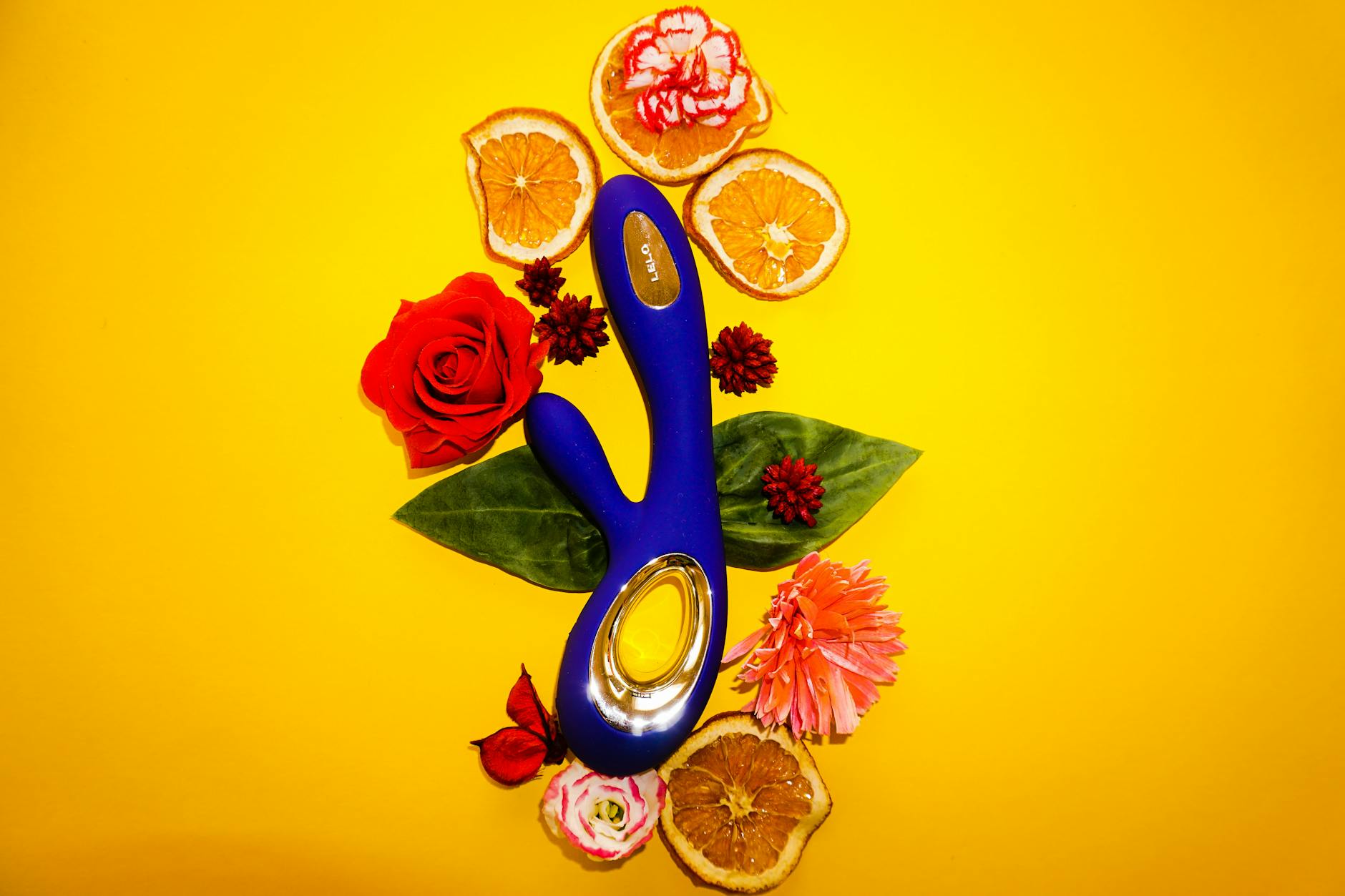
How to Use Lemon Vibrators When Estrogen Drops After Menopause
Here's what nobody tells you: menopause doesn't end pleasure. It reorganizes it.
When estrogen drops, your clitoral tissue gets thinner. Lubrication decreases. Arousal takes longer to build. Blood flow patterns shift. These are real physiological changes, not mood or relationship problems hiding under a hormonal disguise. But here's the part everyone gets wrong: none of these changes mean your orgasms are weaker or less attainable. They mean your body needs a different approach to get there.
For many of my clients who use lemon clitoral vibrators after menopause, their most intense orgasms arrive in their 50s and 60s. This isn't motivational speak. It's a pattern I see consistently, and it happens because they stop fighting their body's new design and start working with it instead.
Why lemon vibrators work so well for postmenopausal bodies
The Lem and other lemon-style suction vibrators are particularly well-suited to this phase of life. Here's why.
Traditional vibrators rely on direct mechanical stimulation. After menopause, thinner clitoral tissue can find this uncomfortable, even if you loved it before. Suction technology works differently. Instead of friction, you get gentle negative pressure that pulls blood into the area and stimulates the nerve endings without the same aggressive contact. It's like the difference between tapping your arm repeatedly and holding a light vacuum over your skin. Both create sensation, but one feels gentler on delicate tissue.
The Lem's low-intensity patterns (settings 1-3) are where postmenopausal pleasure often lives. You're not chasing the same sensation you felt at 35. You're discovering what your body wants now.
What actually changes with estrogen drop
Three main shifts happen, and knowing them means you can stop blaming yourself.
Tissue thickness. The vaginal and clitoral tissue that used to be plump with estrogen becomes thinner and more delicate. This is called genitourinary syndrome of menopause (GSM). It's not a disease. It's normal biology. And it changes how touch feels. Lighter pressure often feels better than what used to be your sweet spot.
Lubrication baseline. Your body makes less vaginal fluid, which means less natural glide during arousal. This doesn't mean you can't get wet. It means the ramp-up is different. Water-based lubricant becomes a non-negotiable ally, not an optional extra.
Arousal speed. Blood flow to the genitals takes longer to increase. The 5-minute warm-up that used to work? Budget 15-20 minutes now. This isn't a loss of capacity. It's a longer runway to the same destination.
How to adjust your approach with lemon vibrators
Four practical changes that work:
Start with lube, always
Water-based lubricant changes everything postmenopause. Not because something is broken, but because thinner tissue benefits from it. Silicone-based lubes feel richer and last longer, but they can degrade silicone toys. Stick to water-based and reapply as needed. The Lem works beautifully with generous lubrication. It creates a better seal, which means better suction and more efficient stimulation.
Begin at the gentlest settings
The Lem has 10 intensity levels and multiple patterns. After menopause, start at level 1 or 2. Your clitoris is still incredibly sensitive. What changed is tissue thickness, not nerve density. A gentler introduction often leads to faster, more intense orgasms than pushing through discomfort at high intensities.
Many postmenopausal users find their favorite settings are 3-5, not the 8-10 they used to need. This isn't weakness. It's efficiency. Thinner tissue actually transmits sensation more directly to the underlying nerve cluster. You feel more with less.
Give yourself time to warm up
Don't jump to the vibrator. Spend 10-15 minutes on foreplay, mental focus, or solo touch before introducing the Lem. This isn't medically necessary. It's psychologically useful. Arousal takes longer to build, and your brain needs time to catch up to sensation. If you dive straight into the vibrator, your mind is still in neutral while your body is trying to shift gears.
Pay attention to your pelvic floor
Your pelvic floor muscles get less support from estrogen, which can make them tighter and more prone to tension. Ironically, a tight pelvic floor can dull sensation. Before using your lemon vibrator, spend 30 seconds consciously relaxing these muscles. Breathe into your pelvis. Let it soften. This single shift often unlocks orgasms that felt blocked before.
The emotional piece (which matters more than you think)
Menopause often arrives with a cultural narrative that you're entering a less sexual chapter. You're not. You're entering a different one.
Many of my clients report that sex after menopause feels less performative. The pressure to look a certain way, respond at a certain speed, or have a certain kind of orgasm loosens. For the first time, pleasure becomes about what actually feels good, not what you think is supposed to feel good. That mental freedom alone changes the experience.
If you're with a partner, this is worth saying out loud: "My body responds differently now, and that's okay. Here's what feels better." Separate that conversation from "Let's have better sex together." The first is about your body. The second is about your relationship. Mixing them creates confusion.
When to see a doctor
If penetrative sex becomes painful even with lube and time, get it checked. Topical estrogen creams can rebuild tissue thickness in weeks, and the absorption is minimal. If desire has completely flatlined, a conversation with a menopause-trained GP about testosterone therapy might help. In the UK and Australia, it's prescribed more readily than in the US, but it's available.
Pain or severe dryness isn't something to work around with better toys. It's something to treat.
The setup that works
Here's what I recommend for a postmenopausal session with a lemon clitoral vibrator:
Give yourself 30-40 minutes with no interruptions. Start by relaxing your pelvic floor and focusing on what sensations feel good when you touch yourself manually. Apply water-based lubricant generously. Use the Lem starting at level 1 or 2, experimenting with the different patterns to find what resonates. Most postmenopausal users find 2-3 minutes at a lower level produces stronger results than 30 seconds at maximum intensity.
Orgasms often feel different postmenopause too. They might be more localized. They might last longer. They might feel quieter. That's not less. That's different. Your job is to notice and enjoy what's actually happening, not mourn what used to happen.
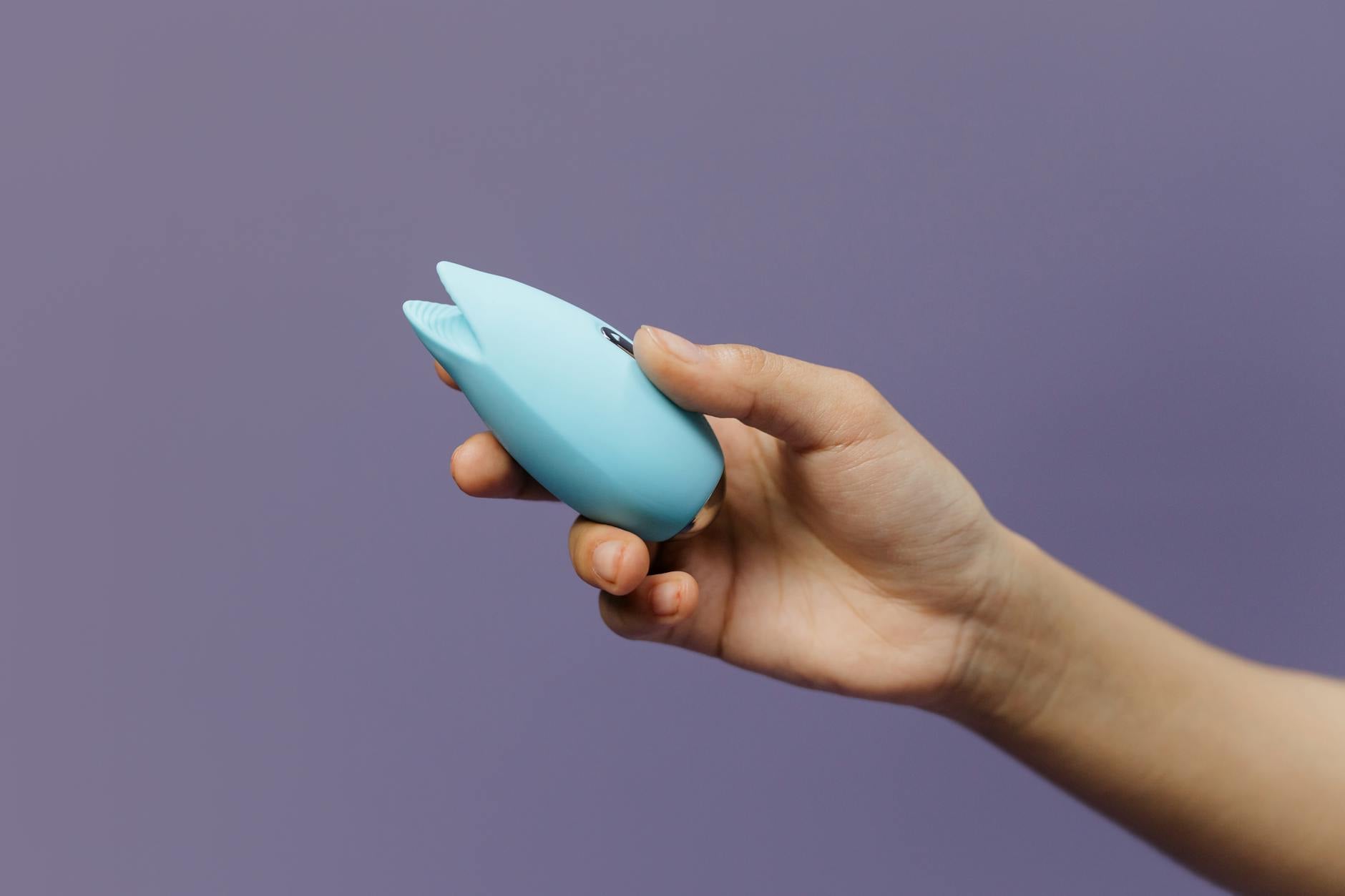
Photo by cottonbro studio on Pexels
Why your best orgasms might be ahead
This isn't a platitude. There's actual neuroscience here. After menopause, many people report orgasms that feel deeper, more full-body, and more satisfying than earlier in life. Why? Three reasons.
First, you know your body better. You're not learning. You're refining. Second, the mental load of fertility, hormonal cycling, and cultural performance expectations lifts. Your brain has more bandwidth for actual sensation. Third, you're often using tools designed to work with your body's current reality, not tools designed for someone else's baseline.
This is why adjusting for how your body responds to hormonal changes matters so much. Your pleasure didn't disappear. It got reorganized.
FAQ
Do lemon vibrators work as well for postmenopausal bodies?
Yes, often better. Suction vibrators like the Lem don't rely on friction, which makes them gentler on thinner tissue. Many postmenopausal users say they feel sensation more intensely because thinner tissue transmits it more directly to underlying nerves. Start at lower intensity levels than you might have before menopause.
How much does vaginal dryness affect lemon vibrator use?
It changes the experience but doesn't stop it. Water-based lubricant becomes essential postmenopause. It helps create the seal needed for suction to work properly and makes the whole experience more comfortable. Silicone-based lubes are richer but can degrade silicone toys, so stick with water-based.
Should I use different patterns after menopause?
Maybe. Most postmenopausal users gravitate toward the gentler, rhythmic patterns rather than the intense pulsing ones. Experiment with levels 1-5 before assuming you need intensity 8-10. Your preference might shift. That's normal and actually a sign your body is giving you better feedback about what it genuinely enjoys.
Can estrogen cream help with lemon vibrator use?
Yes. If dryness is severe or penetrative sensations feel painful, topical estrogen cream can restore tissue thickness in a few weeks. Talk to your doctor about whether it makes sense for you. It's not addressing a problem with vibrators. It's addressing a tissue change that affects all sensation, vibrator or not.
Is slower arousal after menopause permanent?
Yes, probably. But "slower" doesn't mean "less intense" or "less satisfying." It means you need a longer runway. Budget 15-20 minutes for foreplay and warm-up instead of 5. This is actually an advantage if you have a partner, because it forces slower, more intentional connection. Solo, it means you get to linger instead of rush.
What if pain develops during or after use?
Stop and get it checked. Pain during sex postmenopause usually points to tissue thinning that's severe enough to need treatment, not better technique. Topical estrogen, vaginal moisturizers, or both can help. Don't try to work through it or find a workaround vibrator. Address the underlying tissue change first.
The reality
Menopause changes your body. It does not diminish your capacity for pleasure or orgasm. What it does is require you to pay attention and adjust. You're not broken. You're responding appropriately to a real physiological shift.
Lemon vibrators work beautifully with postmenopausal bodies because they prioritize sensation over friction. Start low, use lube, give yourself time, and pay attention to what actually feels good. Your best orgasms might genuinely be ahead of you. For many women, they are.
If you're navigating intimacy with a partner during this shift, clear communication about what your body needs now is everything. Your pleasure matters. Your body's new design deserves respect and experimentation, not resignation.
Your sexual life isn't ending after menopause. It's transforming. And with the right tools and the right mindset, that transformation often leads somewhere much richer than what came before.