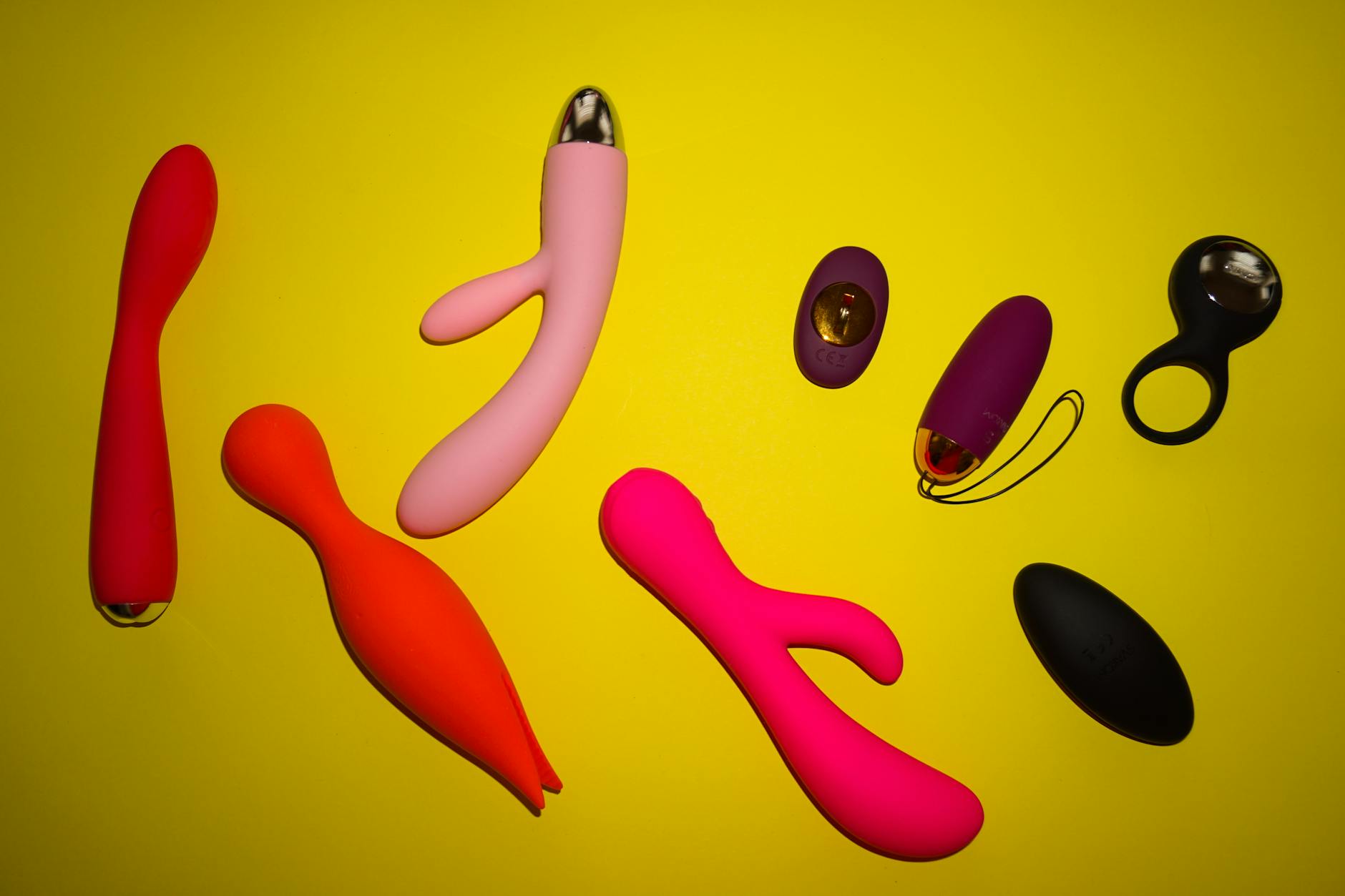
Let's start with what touched out actually means
Touched out isn't a clinical diagnosis. It's what happens when your nervous system has hit its threshold for physical contact. You're not broken. Your body's saying no more, and that's real information worth listening to. For parents, partners, people working in caregiving roles, or anyone managing multiple demands on their body, being touched out is less like a preference and more like a border wall your system throws up for survival.
The thing is, being touched out doesn't mean you stop wanting pleasure or intimacy. It means you need it to happen on completely different terms. Solo exploration with a lemon vibrator can actually be the exact reset your nervous system needs.
Why lemon vibrators work differently when you're overstimulated
Most vibrators buzz in patterns that demand your attention. They escalate. They want intensity. A clitoral suction vibrator like a lemon works on a different principle entirely. Instead of overwhelming vibration, suction creates gentle pressure and release. You're in control of the rhythm, the intensity, the exact moment you start and stop. There's no partner energy to manage, no one else's needs in the room with you.
This matters neurologically. When you're touched out, your nervous system is in a protective state. Stimulation that's too varied or too fast can feel chaotic. Suction vibrators apply consistent, predictable sensation. Your brain can settle into it instead of bracing against it. The pattern stays the same until you change it. No surprises.
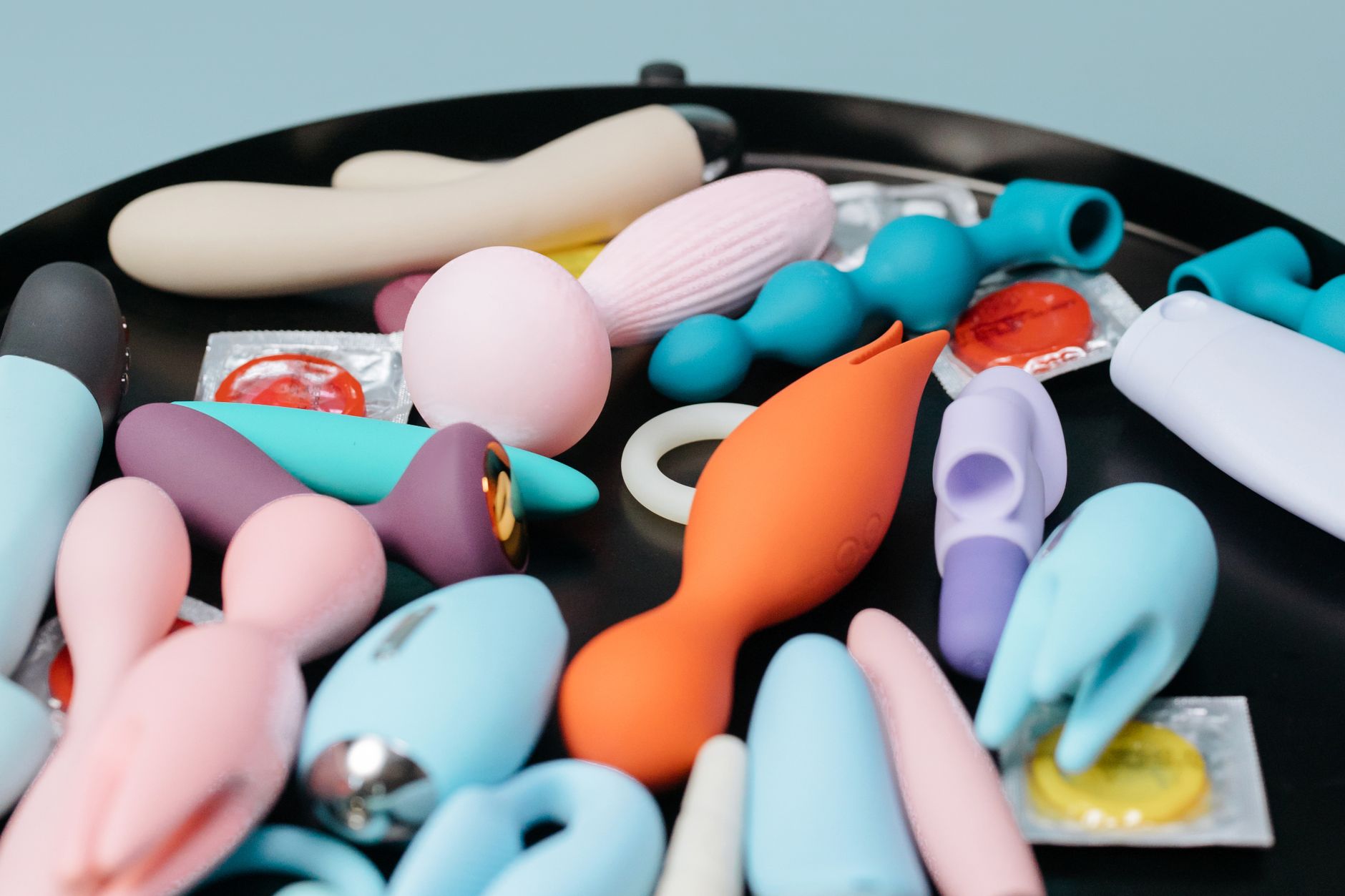
Photo by cottonbro studio on Pexels
How to set yourself up for success
Environment matters more than usual. When you're touched out, your senses are already at capacity. You need to actively reduce stimulation instead of adding it. That means: quiet space (or white noise if silence feels empty), low lighting, phone off, no one else home if possible. Your nervous system needs to know it's safe and alone.
Timing is equally crucial. Don't try to reconnect with pleasure when you're already depleted. Aim for moments when you've had time to decompress. For many people, this is after kids are in bed, or before the day's demands start. Even 15 minutes of genuine alone time makes a difference.
Start with your body fully relaxed. Take 5-10 minutes just breathing. Some people find it helps to do a quick body scan: notice where you're holding tension and consciously release it. A warm bath before helps, or stretching, or whatever signals rest to your specific nervous system.
The sensory protocol: less is genuinely more
When you're overstimulated, the impulse is to jump straight to sensation. Don't. Begin with the lowest suction setting on your lemon vibrator. I mean the absolute minimum. Pattern 1 if your device has patterns. Spend 5-10 minutes there, just noticing what you feel.
This isn't about chasing orgasm. It's about reintroduction. You're teaching your body that solo pleasure doesn't have to meet anyone else's timeline or intensity expectations. It can be soft. It can be slow. It can be... normal.
Many people find that the first few sessions don't lead to orgasm, and that's completely fine. You're building tolerance and trust with sensation. The goal is reconnection, not achievement.
If your clitoral sensitivity is particularly heightened (which often happens when you're overstimulated), try touching through fabric first. Use the lemon over your underwear or a thin barrier. Suction vibrators work well this way because you're not losing sensation, just diffusing intensity.
What to do if stimulation still feels like too much
Some days, even the lowest setting feels overwhelming. That's not failure. It's data. On those days, you can still use your lemon vibrator in a completely different way: place it nearby and use it as ambient sensation. Feel the vibration against your thigh or lower belly instead of directly on your clitoris. Or hold it in your hand and enjoy the sensation without any genital contact.
Alternatively, skip the device entirely on touched-out days and go back to basic breathing or stretching. The lemon vibrator will still be there when you're ready. This isn't about forcing yourself to perform pleasure. It's about gentle, consistent practice over time.
If you're in a relationship, this is worth communicating about. Partners sometimes feel rejected when you need solo time to rebuild intimacy with your own body. Explain it differently: "I'm working on something for us, but right now I need to do it alone." Which is true. Reconnecting with your capacity for pleasure actually makes partnered intimacy possible again.
The reframing that changes everything
Touched out isn't a permanent state. It's a signal that you've been giving more than you have available. Using a lemon vibrator for solo exploration isn't selfish or anti-relationship. It's literally tending to your own nervous system so you have something left to give. Once you rebuild your baseline capacity, partnered pleasure becomes possible again without that resentment or overwhelm.
Start small. Be patient. Your body's boundaries are information, not failure.
Frequently asked questions
Can I use a lemon vibrator if I'm already in sensory overload?
Yes, but gently. The key is starting at the absolute lowest intensity and giving yourself permission to stop anytime. If any sensation feels like too much, pause for a few days and try again. Your nervous system will gradually become more receptive as you practice in a low-pressure environment.
How often should I use my lemon vibrator when touched out?
There's no set schedule. Some people benefit from a few minutes a few times per week. Others do better with one focused session every 10 days. Pay attention to what feels restorative versus demanding. The goal is rebuilding trust with pleasure, not adding another obligation to your life.
Will using a vibrator alone make me withdraw further from my partner?
No. Actually, the opposite. When you're touched out and pushing through partnered sex anyway, you often end up more disconnected because you're bracing instead of present. Solo exploration helps you rebuild your own capacity, which makes partnered intimacy feel less like a demand and more like a choice.
What if my partner feels threatened by me using a vibrator?
This is a conversation worth having directly. How to Introduce Lemon Vibrators to Skeptical Partners covers this in depth, but the short version: your lemon vibrator isn't competing with them. It's doing something different. Solo pleasure is about your own nervous system, not about replacement.
Can suction vibrators help with touch aversion specifically?
Suction vibrators are gentler than many alternatives because they don't rely on direct friction or intense buzz. The consistent, predictable pattern helps when your nervous system is easily triggered. That said, if you have actual touch aversion or trauma responses, working with a therapist alongside your own exploration is ideal.
How long does it take to feel less touched out?
It varies widely. Some people notice a shift in a few weeks of consistent solo practice. Others take months. What matters is consistency and self-compassion, not speed. Your nervous system needs time to learn that touch (including from yourself) can feel good again without overwhelming you.
The bottom line
Being touched out is your body's way of asking for space. That doesn't mean the end of pleasure. It means pleasure needs to be rebuilt on your own terms, at your own pace, with tools designed for gentle control. A lemon clitoral vibrator gives you exactly that. Start low, stay patient, and trust that reconnection is possible.
If you're navigating this alongside a partner and need guidance on how to move forward together, How to Use Lemon Vibrators When Rebuilding Intimacy After Relationship Distance offers a deeper framework for that conversation.